Texas Bans Smokeable Hemp While Big Alcohol Fights for Regulation
Big Texas just made smokeable hemp illegal — and Big Alcohol is watching closely.
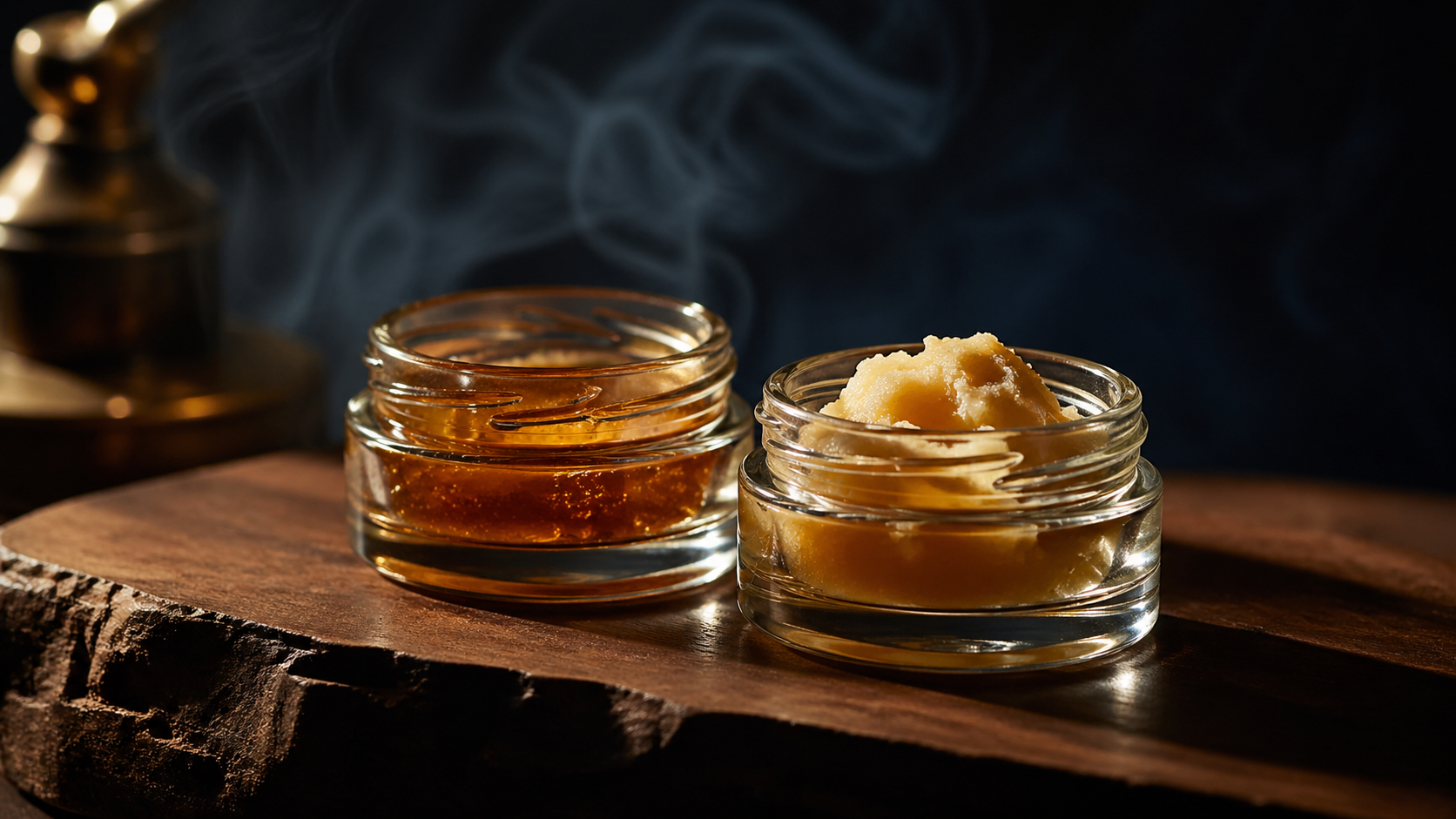
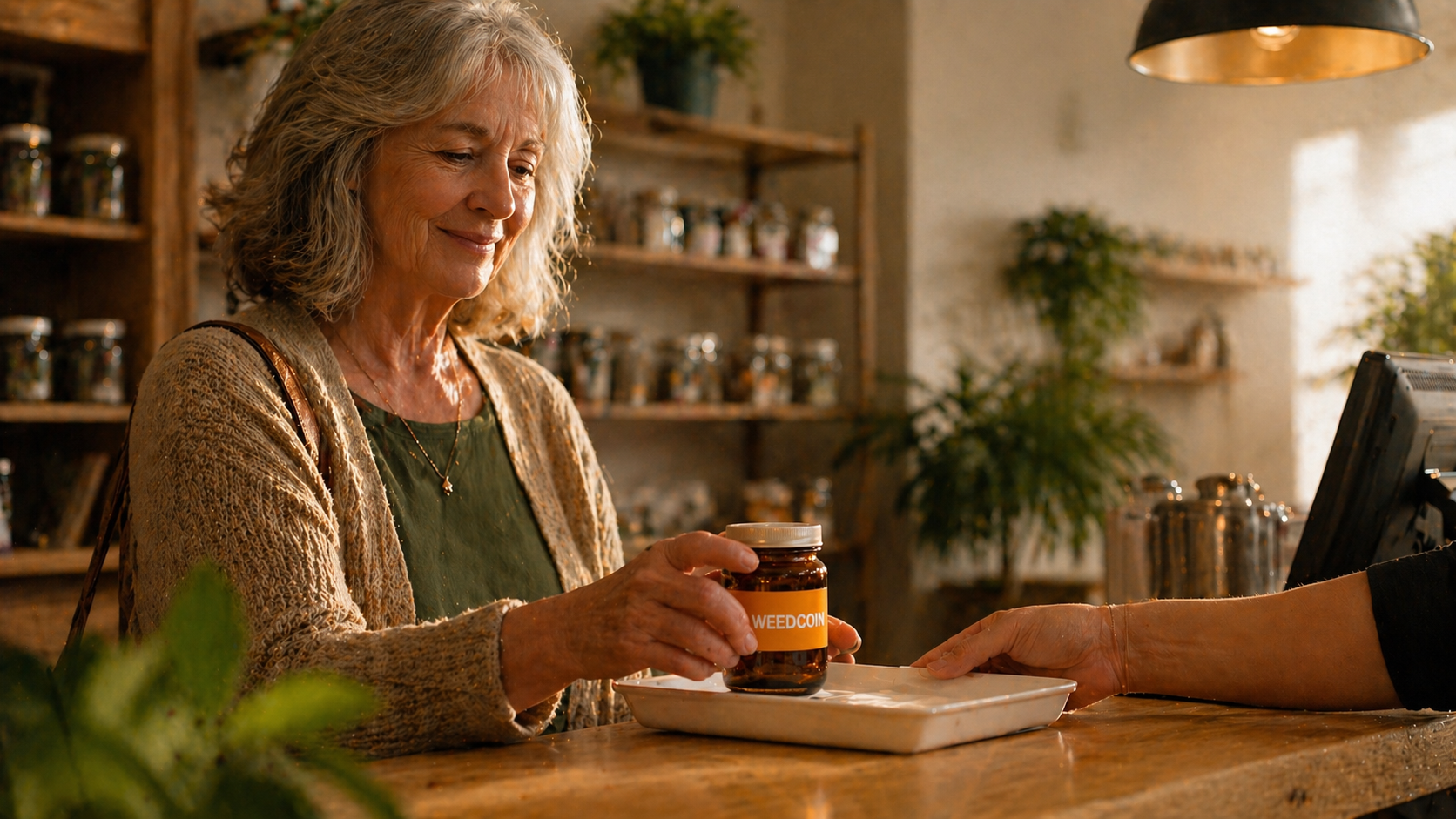
The clock is ticking in Texas. Six days from now — March 31 — the state's Department of State Health Services rules take effect and effectively outlaw smokeable hemp products: THCA flower, pre-rolls, live resin, rosin. All of it. Gone from legal shelves. Meanwhile, the alcohol industry — yes, the alcohol industry — just launched a campaign arguing that the right move for hemp THC drinks is regulation, not prohibition. And somewhere in the middle of all this, Congress is holding tokenization hearings while Solana climbs. It's a lot. Let's break it down.
Texas Just Burned Down Its Smokeable Hemp Market
Here's what the new Texas rules actually do. Under the old framework, THC concentration was measured differently — THCA (the raw, unactivated form of THC) wasn't counted in the total. That made a lot of hemp flower technically legal. The new rules change the calculation: total THC now includes THCA. That flips the math on virtually every smokeable hemp product in the state. If it combusts, it converts. Most smokeable products now exceed the 0.3% threshold.
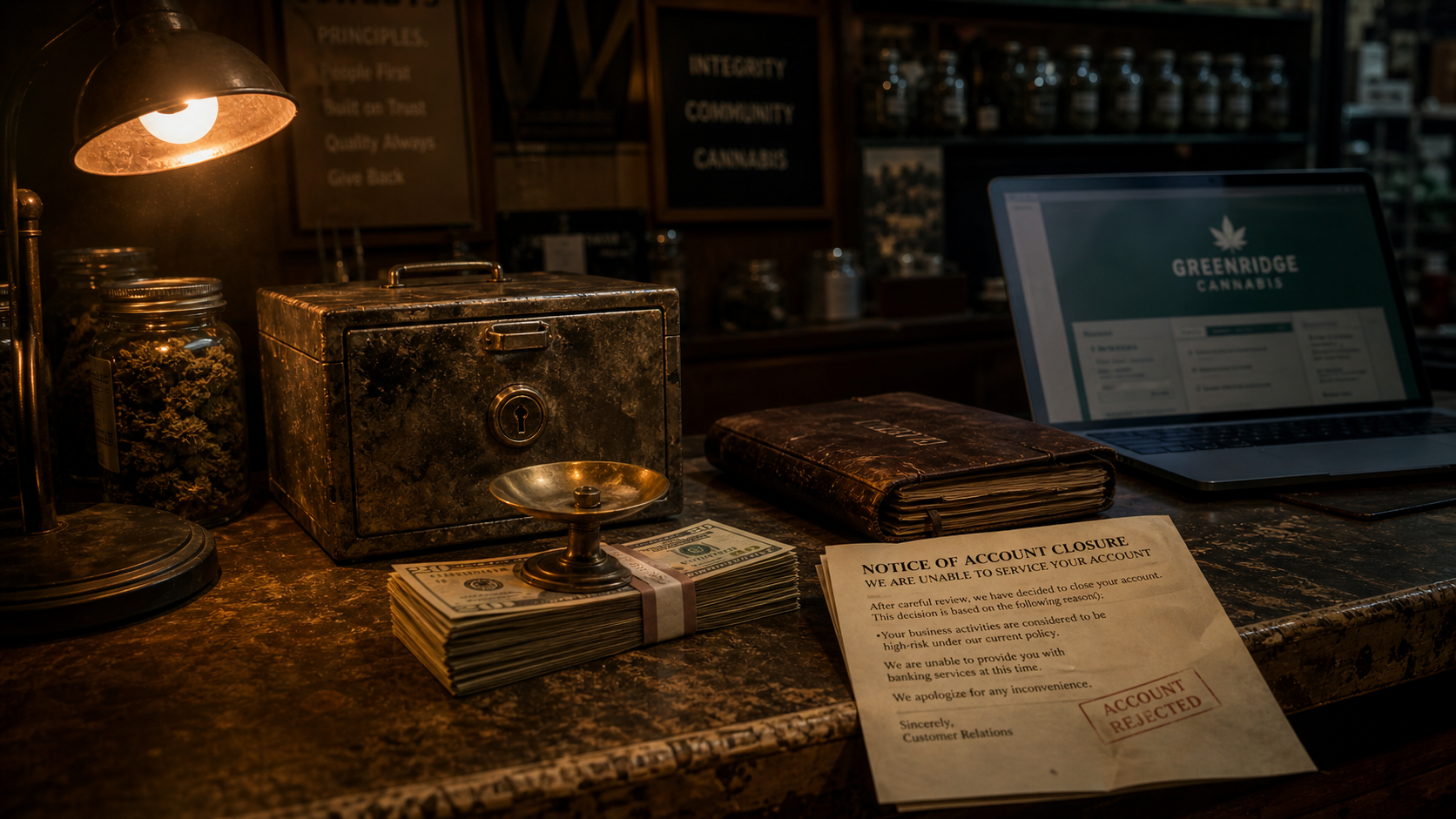
The fee hikes are brutal. Manufacturers that previously paid $258 per facility now face $10,000. Retailers go from $155 to $5,000. For small operators already running on thin margins, that's not a speed bump — that's a wall.
Heather Fazio of the Texas Cannabis Policy Center put it plainly: "We estimate this will hand 50% of the legal market to illicit operators, making our state less safe." That's not a fringe take — it's the predictable outcome when you price out legal competition and create scarcity overnight.
The hemp industry isn't going down without a fight. Businesses are planning a lawsuit to block the regulations before March 31. Consumers are being urged to stock up while they still can. Edibles and beverages remain legal for now — they fall under different THC concentration rules and TABC jurisdiction — so the smokeable market is specifically in the crosshairs.
This is a pattern we keep seeing: state-level patchwork regulation that treats cannabis and hemp inconsistently, punishes legal operators, and reliably drives consumers toward the unregulated market. Texas isn't doing itself any favors here.
Big Alcohol Just Sided (Sort Of) With Cannabis
Here's the plot twist that nobody had on their bingo card. The Wine & Spirits Wholesalers of America — WSWA, as mainstream as it gets — just launched an educational campaign pushing Congress to regulate hemp THC beverages through the alcohol industry's own three-tier system rather than banning them outright.
They've got a microsite up at wswa.org/regulate-hemp with a countdown to November 12 — the date when, without Congressional action, these products face a real risk of being pulled from shelves entirely. What WSWA wants is familiar territory for the beverage alcohol world: federal licensure, federal taxation, mandatory testing, 21+ age verification, and state-level retail control. Essentially, fold hemp THC drinks into the same distribution and compliance infrastructure that governs beer and wine.
A new coalition called BAMCO — which includes Total Wine, BevMo, ABC Fine Wine & Spirits, and Spec's — is backing the push. These are major retail chains. When they start lobbying for regulation instead of prohibition, it signals something real: hemp THC beverages have become too big to ignore and too profitable to kill.
The market numbers back that up. Hemp beverages are tied to a sector with 320,000 jobs, $28.4 billion in market activity, and $1.5 billion in state tax revenue. WSWA's argument is essentially: "Congress, if you fail to act, you're not protecting consumers — you're pushing them to unregulated channels." That's the same argument cannabis advocates have been making for years, just delivered in a suit and tie.
Massachusetts and Mississippi: Two Very Different Directions
In Massachusetts, lawmakers held a special hearing on a ballot measure that would roll back the voter-approved 2016 legalization law. The headline is that legislators are skeptical — they questioned the campaign's funding sources, the signature-gathering operation, and what it would actually mean to dismantle a regulated market that's already functioning.
The Massachusetts Cannabis Control Commission has data that cuts against the repeal push: consumers are "overwhelmingly turning away from unregulated sources." That's the whole point of legalization. Repeal it and you hand the market back to the streets. Arizona has a similar repeal initiative circulating right now. Both states are testing whether organized opposition can reverse voter-approved legalization. Historically, that's been a hard road.
Mississippi is moving the other direction. Lawmakers have sent Governor Tate Reeves a pair of bills to expand medical cannabis access — including a new pathway for patients who don't have a specific qualifying condition and a removal of THC potency limits for concentrates. Mississippi's medical program has been among the more restrictive in the South. These bills would meaningfully broaden who can participate and how they can medicate.
What the Science Is Saying About Cannabis and Chronic Pain
The political fights get the headlines, but the research is quietly stacking up — and right now, the pain science story is worth knowing.
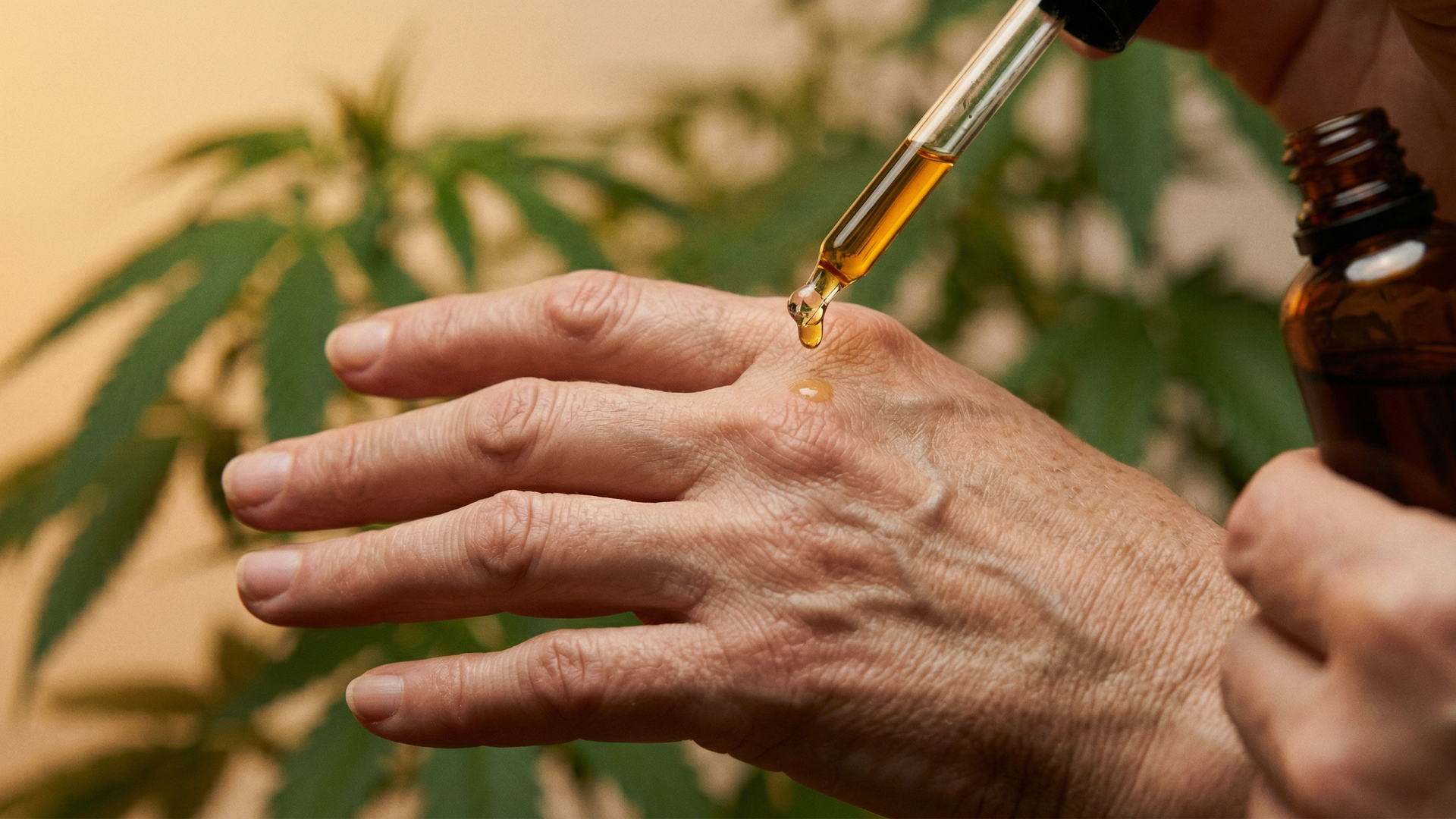
A study published in January 2025 in the Proceedings of the National Academy of Sciences out of Yale identified exactly how CBD, CBG, and CBN reduce chronic pain: they block the Nav1.8 protein in sensory neurons. This protein is a key driver of pain signaling. CBG showed the strongest blocking potential of the three. None of them produce a high. None carry addiction risk. The researchers said the findings "open new avenues for cannabinoid-based therapies" — specifically for neuropathic pain, arthritis, and inflammatory disorders.
That mechanism matters because it's different from how opioids work, and that difference matters enormously when you're talking about long-term use. Opioids hit the whole system. Cannabinoids appear to act more selectively on the pain-signaling pathways themselves.
The Phase 3 clinical trial data published in Nature Medicine in September 2025 adds more weight. 820 adults, multicenter, randomized, placebo-controlled — the gold standard format. VER-01, a full-spectrum cannabis extract, was tested specifically for chronic lower back pain. The result: a mean pain reduction of -1.9 points on the numerical rating scale compared to -0.6 for placebo. Statistically significant at p<0.001. Patients also reported better sleep and improved physical function. No signs of dependence. No withdrawal effects. The study's conclusion was measured but clear: VER-01 has "potential as a new, safe and effective treatment for chronic lower back pain."
NPR's recent coverage noted that in comparative studies, cannabis showed slightly better pain relief than opioids — with fewer gastrointestinal side effects. Back pain alone affects hundreds of millions of people worldwide and drives a significant portion of opioid prescriptions. The implications of a safe, non-addictive alternative are not small.
The science isn't waiting for the politics to catch up. It's building its own case, one peer-reviewed study at a time.
Solana and the Broader Crypto Picture
SOL is at $92.20 today, up about 3% on the day and well up from the $80 range it was sitting in earlier this month. That's meaningful momentum in a market that's otherwise deep in fear — the Fear & Greed Index is at 11, squarely in "Extreme Fear" territory, largely driven by US-Iran tensions creating volatility across all asset classes. BTC is holding near $70K.
The Solana Foundation also published an enterprise privacy framework today — a detailed report laying out four levels of on-chain privacy: pseudonymity, confidentiality, anonymity, and full privacy. The framing is intentional: "Privacy is a spectrum, not a switch." The framework includes auditor keys and AML compliance tools that allow institutions to participate without exposing sensitive data. This is Solana actively courting institutional adoption, and it's the kind of infrastructure development that tends to matter more in the long run than any single price movement.
Congress held a tokenization hearing today as well — more signals that the legislative conversation around digital assets is shifting from "should this exist" to "how do we regulate this." That's a more interesting question, and a more useful one.
With 26 days until 4/20 and just 7 days to Weedcoin's one-year anniversary on April 1, the momentum is building. The cannabis and crypto reform conversations are converging in real time, and Weedcoin OG sits exactly at that intersection — holding the culture, holding the community, holding the line. Like bitcoin but way higher. 🌿
Stay connected with the Weedcoin OG community:
Website: https://www.weedcoinog.com
Follow us on X: https://x.com/weedcoinog
Chat With Wiz (GPT): https://bit.ly/ChatWithWeedcoin
Contract Address: 21nnfR4TkbZNLwvRrqEseAbz7P3kxKjaV7KuboLJpump
Like bitcoin but way higher 🌿