Schedule III Is Here: What Reclassification Actually Changes
The biggest federal cannabis policy shift in 50 years.
For 55 years, federal law has treated cannabis as a Schedule I controlled substance. Schedule I is reserved for drugs the federal government considers to have no accepted medical use and a high potential for abuse. The list includes heroin and LSD. The list also, until last week, included a plant that 40 states had already legalized for medical use, that the FDA had already approved derivatives of, and that the Department of Health and Human Services itself had recommended rescheduling in 2024.
That ended on April 22, 2026.
On Thursday afternoon, Acting Attorney General Todd Blanche signed an order moving state-licensed medical cannabis and any FDA-approved cannabis-derived drug product from Schedule I to Schedule III. The order took effect immediately. The DEA filed it in the Federal Register that evening. Adult-use cannabis remains Schedule I. A separate expedited DEA hearing process for the broader question of recreational cannabis rescheduling will begin on June 29 and is required to conclude no later than July 15.
This is the largest federal cannabis policy change since the Controlled Substances Act was signed in 1970. It also is not legalization. The distinction matters, and a lot of the early reaction is mixing the two up. Here is what actually changed, what did not, and what to watch next.
What Schedule III actually means
Schedule III is the federal classification used for substances with moderate to low potential for physical and psychological dependence and an accepted medical use. It is the same schedule that contains ketamine, anabolic steroids, and Tylenol with codeine. Drugs on Schedule III can be prescribed and dispensed legally under federal law when they go through the full FDA drug approval pathway.
The April 22 order does two specific things. First, any cannabis-derived medication that has been approved by the FDA, like Epidiolex, is now Schedule III. Second, marijuana products produced and sold under a valid state medical marijuana license are also now Schedule III. Everything else, including all adult-use product, all hemp-derived intoxicants outside the state medical channel, and any cannabis cultivated or sold without a state medical license, remains Schedule I.
Functionally, this means the federal government has now formally acknowledged what 40 state regulators have been documenting for the last three decades: cannabis has accepted medical use. That single sentence is what reform advocates have been pushing toward since the 1970s.
The 280E story, finally
Of all the practical changes, the most immediate is taxes. A line in the Internal Revenue Code called Section 280E forbids any business that traffics in a Schedule I or Schedule II substance from deducting ordinary business expenses on federal taxes. State-licensed cannabis operators have been paying federal tax on their gross profit, not their net profit, the entire time. Effective tax rates of 70 to 80 percent on a state-licensed dispensary have been routine, while operators in any other industry pay closer to 21 percent.
Schedule III ends 280E for state-licensed medical operators. Same business, same product, same shelves, but suddenly the operator can deduct rent, payroll, security, packaging, marketing, and the ordinary cost of doing business the way every other American business already does. The Cannabis Regulators Association estimates the effective rate could fall from 70 to 80 percent down to 20 to 30 percent. The Treasury Department announced last week that it will issue formal guidance on implementation, and the order itself encourages Treasury to consider applying relief retroactively to past tax years for operators that held a state medical license at the time.
For an industry that has been bleeding cash for years under what amounts to a federal punitive tax, this is structural. It is the difference between a sustainable business and one that exists on a knife's edge.
Research, finally unlocked
The second large change is research. Studying a Schedule I substance in the United States has been famously, almost satirically, difficult. Researchers had to obtain a separate Schedule I research registration from the DEA, work in security-restricted laboratories, and use cannabis grown only at a single federally approved facility at the University of Mississippi. Most cannabis researchers have spent more time on paperwork than on study design.
Schedule III lifts almost all of that. Researchers no longer need a Schedule I registration. They can source product from state-licensed producers under federal cooperation rather than relying on the Mississippi monopoly. The order specifically prohibits the DEA from taking adverse action against a researcher for using state-licensed material in federally registered research. After 50 years of artificially blocked science, the door is finally open.
The implications are slow but enormous. Schedule III is the schedule containing many drugs that have been studied to FDA approval. The same path is now open to cannabis-based therapeutics. We will not have those studies tomorrow, but the pipeline can finally start.
Cannabis Benefits: Why federal recognition of medical use matters
The Cannabis Benefits angle on this story is not about the high. It is about access, science, and dignity for the patients who have been pushing for this for decades.
Federal recognition of cannabis as a substance with accepted medical use validates what an enormous body of state-level evidence and patient testimony has been saying since California passed Proposition 215 in 1996. Cannabis demonstrably helps with chronic pain, with chemotherapy-induced nausea, with seizure disorders that resist every other medication, with PTSD, with multiple sclerosis spasticity, and with the appetite collapse seen in cancer and HIV. The plant works alongside the human endocannabinoid system, a regulatory network that touches the immune system, the nervous system, and metabolic balance. Schedule I status meant the federal government was officially denying that any of this was real. Schedule III ends that denial.
Beyond direct symptom relief, federal recognition unlocks insurance pathways. Schedule III drugs can, in principle, be prescribed and covered. The path is long and goes through the FDA approval process, but for the first time it exists. Patients who currently pay out of pocket for medical cannabis, often hundreds of dollars a month, may eventually be able to use insurance the way they would for any other medication.
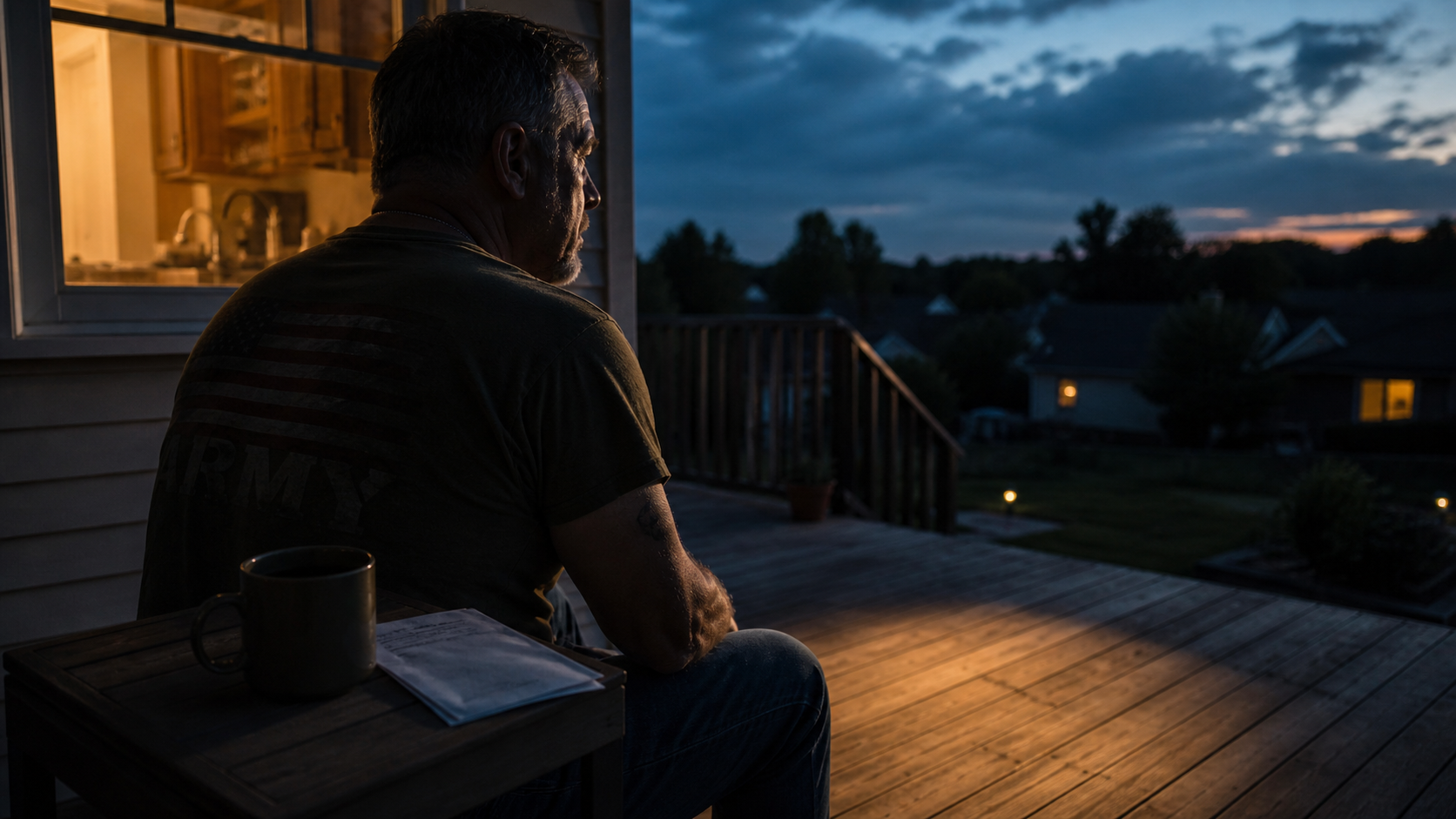
It also unlocks the truth that Veterans Affairs doctors have been quietly desperate for. VA physicians can now discuss medical cannabis with veteran patients without the previous threat of federal sanction, and the door is open for serious VA-led research on cannabis for PTSD and chronic pain in the veteran population. That alone is going to change a lot of lives.

What did not change
This is the part of the story that is getting lost in the celebration. Schedule III is not legalization. The federal government did not decriminalize cannabis. It did not release anyone from federal prison. It did not modify existing penalties for possession or sale. It did not pardon a single person convicted of a federal cannabis crime.
Adult-use cannabis remains Schedule I. The dispensary down the street that sells both medical and recreational still has a recreational side that is, federally, in the same legal category as heroin. Operators serving both markets will get partial 280E relief, only on the medical side, and the accounting is going to be a nightmare for the next year while implementation guidance arrives.
Hemp is also untouched. Hemp continues to operate under the 2018 Farm Bill definition, and the November 2026 redefinition that narrows what counts as legal hemp is still scheduled to take effect. Some advocates expected the rescheduling order to clean up the hemp THC question. It did not.
And the deepest disappointment for a large part of the reform movement is the criminal justice piece. The Last Prisoner Project and dozens of advocacy groups have noted that the order does nothing for the people serving long federal sentences for offenses that, in the same week, became federally tax-deductible business expenses for state-licensed operators. Reform without restorative justice is, for many, only half a victory.
What comes next
Three things to watch. First, the June 29 DEA hearing on whether to extend Schedule III to adult-use cannabis. The administration has structured this aggressively, with a hard close date of July 15 to limit procedural delay. Anti-rescheduling groups have already retained former Attorney General Bill Barr to challenge the action in court. Expect litigation.
Second, Treasury's 280E implementation guidance. Operators need to know whether retroactive relief is on the table and what documentation will be required. The first major guidance is expected within 60 days.
Third, the international treaty piece. The 1961 Single Convention obligates the United States to maintain certain controls on cannabis production. The order routes around this with a creative arrangement where the federal government technically purchases and immediately resells cannabis crops back to the producer. This is novel, and it will be tested.
For now, on April 27, 2026, the federal government formally agrees with the 40 states and the patient population that cannabis has accepted medical use. After 55 years of treating a medicine like a poison, that is a sentence worth letting land.
Stay connected with the Weedcoin community:
Website: https://www.weedcoinog.com
Follow us on X: https://x.com/weedcoinog
Chat With Wiz (GPT): https://bit.ly/ChatWithWeedcoin
Contract Address: 21nnfR4TkbZNLwvRrqEseAbz7P3kxKjaV7KuboLJpump
Like bitcoin but way higher