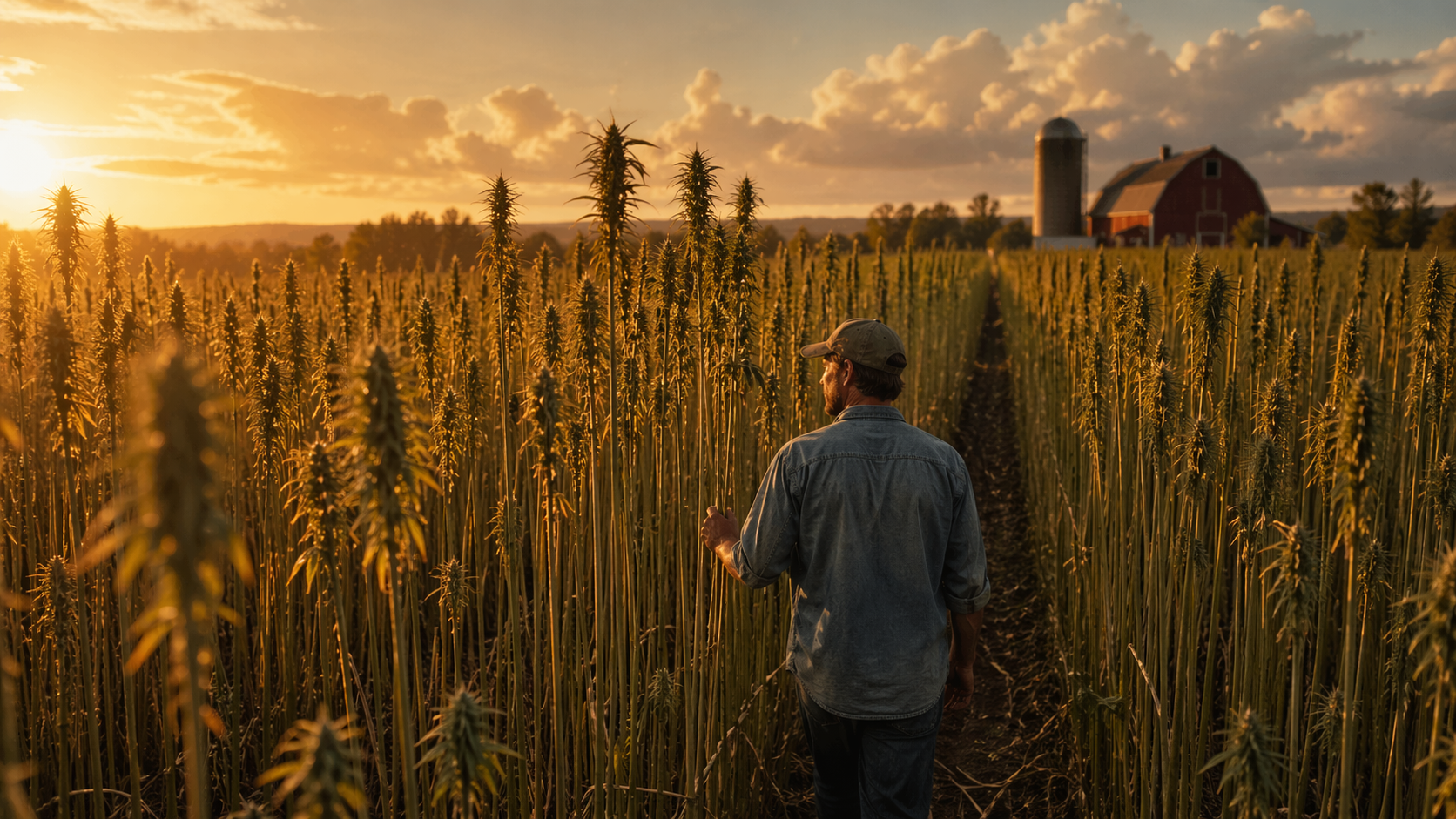
Sun-Grown vs Indoor: Inside the Outdoor Cannabis Renaissance
Why a new generation of growers is walking back into the dirt.
There is a smell that only outdoor cannabis has. Walk a sun-grown field at the end of August and you will catch it before you ever see a flower: pine resin, citrus peel, wet earth after rain, a little black pepper, a little overripe fruit. It moves on the wind. It does not stay in one place. Indoor flower has its own beauty, but it never smells like that, because that smell is the plant having a full conversation with the sun, the soil, the bees, the morning fog, and the stress of being alive outside.
For most of the last twenty years, the cannabis industry has trained us to believe that conversation does not matter. The market said indoor was premium. Indoor was the top shelf. Indoor was the picture on the dispensary jar. Outdoor was bargain basement. Outdoor was for extraction. Outdoor was what happened to flower that was not good enough to live under a thousand-watt light. That story is now falling apart, and a quiet renaissance is taking its place. A new generation of growers, and a small but growing wave of consumers, are looking at the math, the chemistry, and the actual taste of what comes out of the ground, and they are walking away from the warehouse.
This is the Grow territory, so today we are getting our hands dirty. Why was outdoor written off in the first place. What is actually different about a sun-grown plant. Why do regenerative farmers swear their flower has something a sealed room can never give. And what does any of this have to do with the way the cannabis economy is going to look five years from now.
How indoor became the default
To understand the renaissance, you have to understand how we got here. When prohibition was at its hardest, growing outdoors was a felony you could see from a helicopter. Whole communities in Northern California, Southern Oregon, and the Kentucky hills learned to hide plants under tree canopy or to move the entire operation behind drywall, into basements, garages, and rented warehouses. Indoor growing was not chosen because it was better. It was chosen because it was harder to spot.
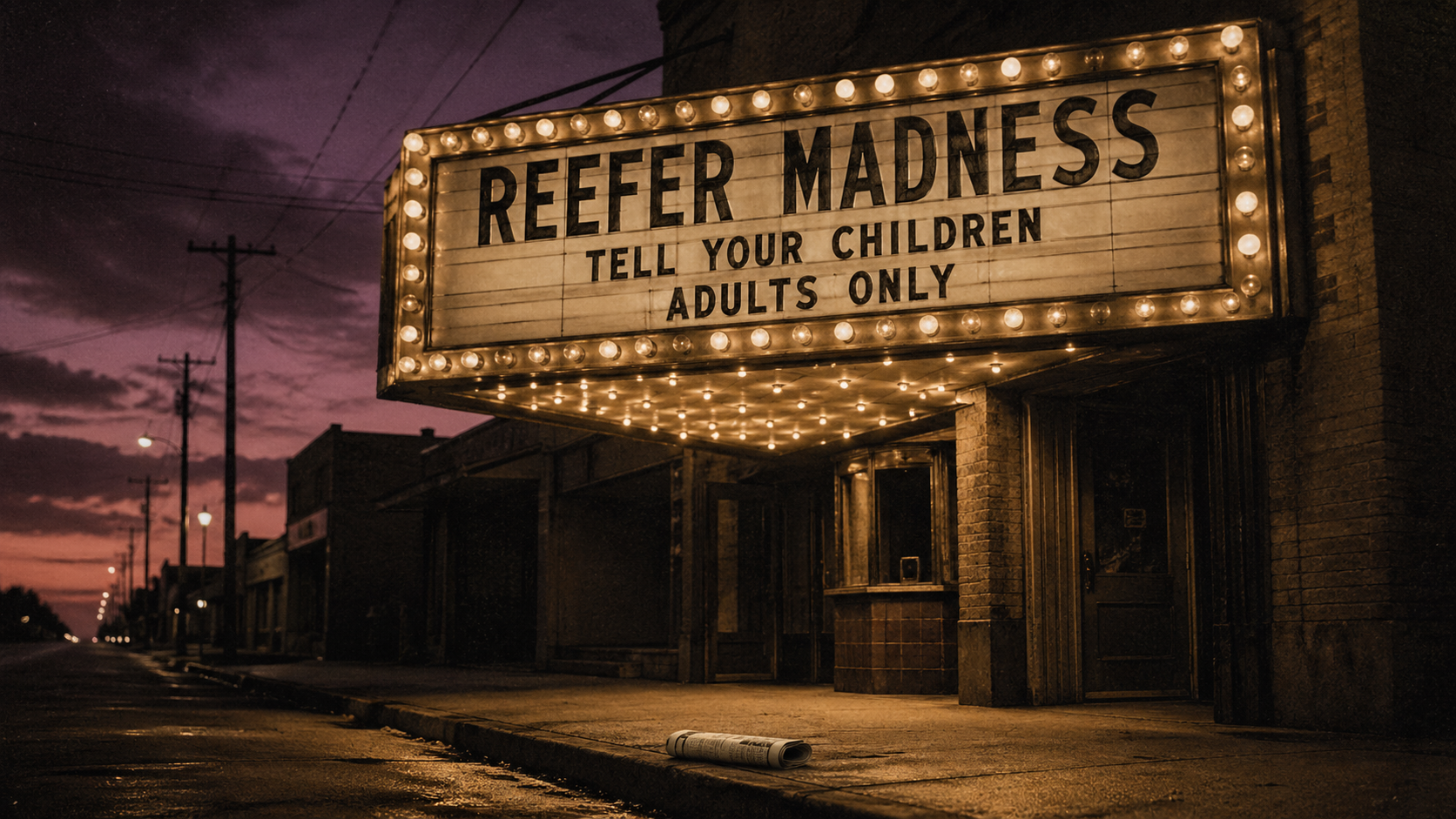
Once the warehouse model existed, the marketing followed. Indoor flower was tighter, denser, more uniform. The buds looked like the photographs in High Times. They had the frosted, almost artificial sparkle of a plant that never had to fight wind or rain or a hungry caterpillar. Dispensaries put indoor at the top of the menu and charged accordingly. Outdoor became the cheap option, often blended into pre-rolls or sent straight to extraction.
Then legalization arrived, and the warehouse model started to crack. Indoor cannabis is one of the most energy-intensive crops humans grow. A 2022 paper in Nature Sustainability found that producing one kilogram of indoor cannabis can release between 2,000 and 5,000 kilograms of CO2 equivalent depending on the grid, mostly from electricity used for lighting and HVAC. That is not a typo. Wholesale indoor prices in mature markets like Colorado, Oregon, and California have collapsed to a point where many indoor operators cannot pay their power bill and their rent in the same month. Meanwhile, the sun is still free.
What sun-grown actually means
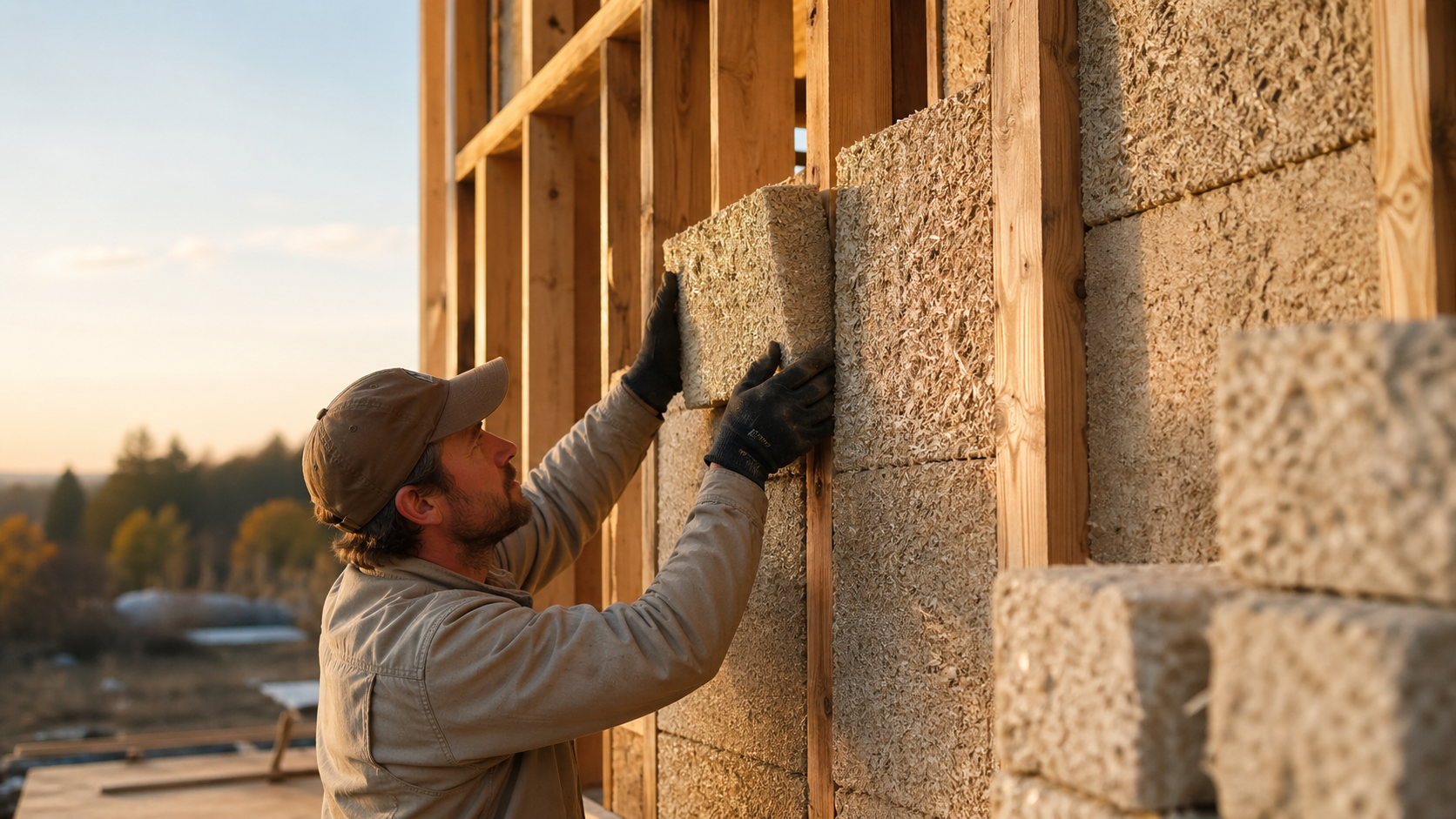
Sun-grown is not the same as outdoor, and the people doing this seriously will correct you fast. Outdoor can mean a guerrilla plot in the woods, a backyard bucket, or a mixed-light greenhouse with supplemental bulbs. Sun-grown, in the way the craft community uses it, means a plant that lives in the actual ground, in the actual sun, on a real season, photoperiod driven by latitude and cloud cover, no plastic fertilizer, no auxiliary lighting.
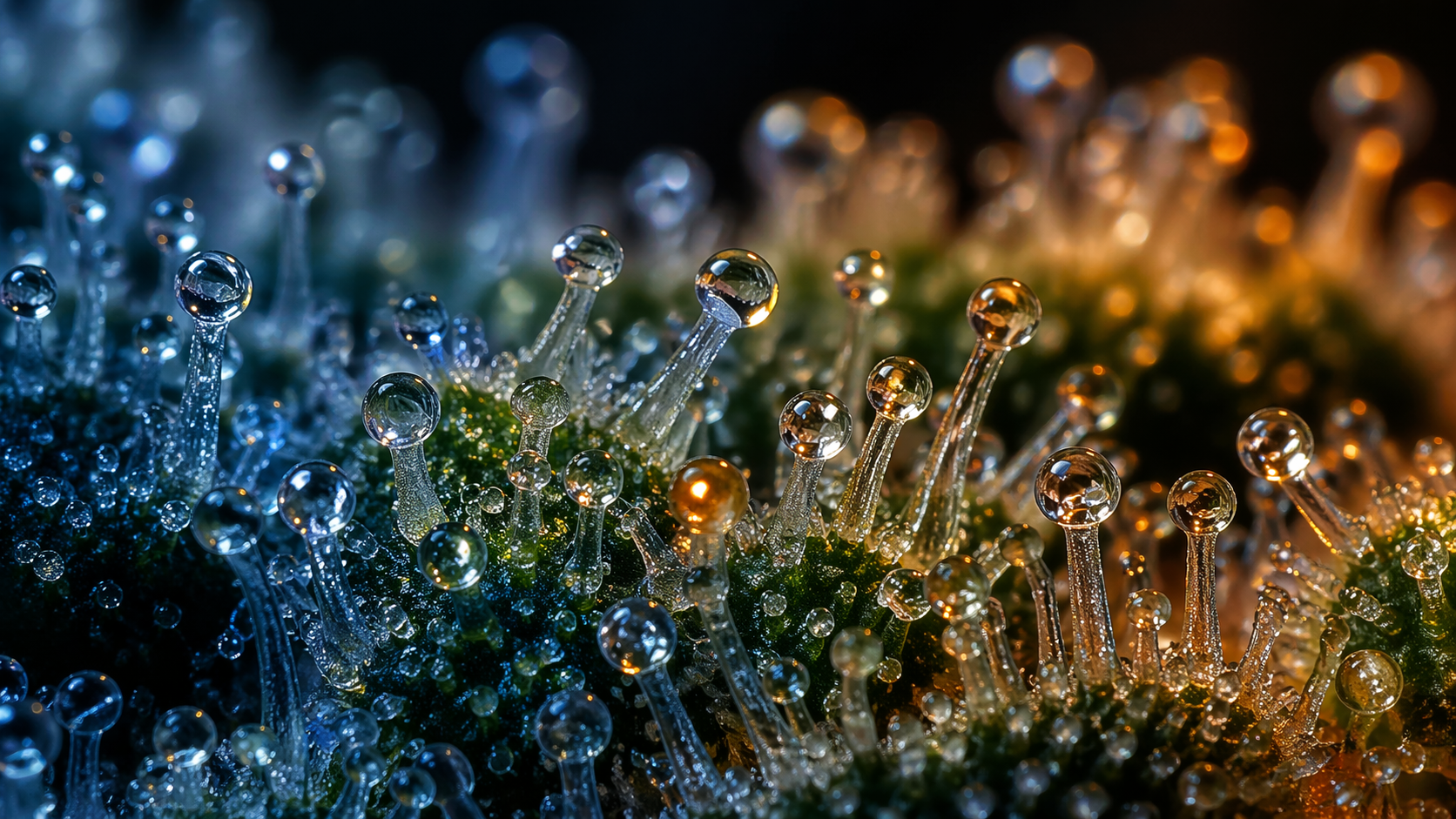
The biology is different. A cannabis plant that grows under the full spectrum of sunlight produces a wider range of cannabinoids and terpenes than a plant under any single LED recipe currently on the market. Sunlight has UV-B, far red, and seasonal shifts in color temperature that LED arrays approximate but never fully replicate. Studies on greenhouse versus indoor production summarized by researchers at Oregon State University and published in industry trade journals have found measurable differences in terpene density and minor cannabinoid profiles in plants grown under natural light, even when overall THC numbers are similar.
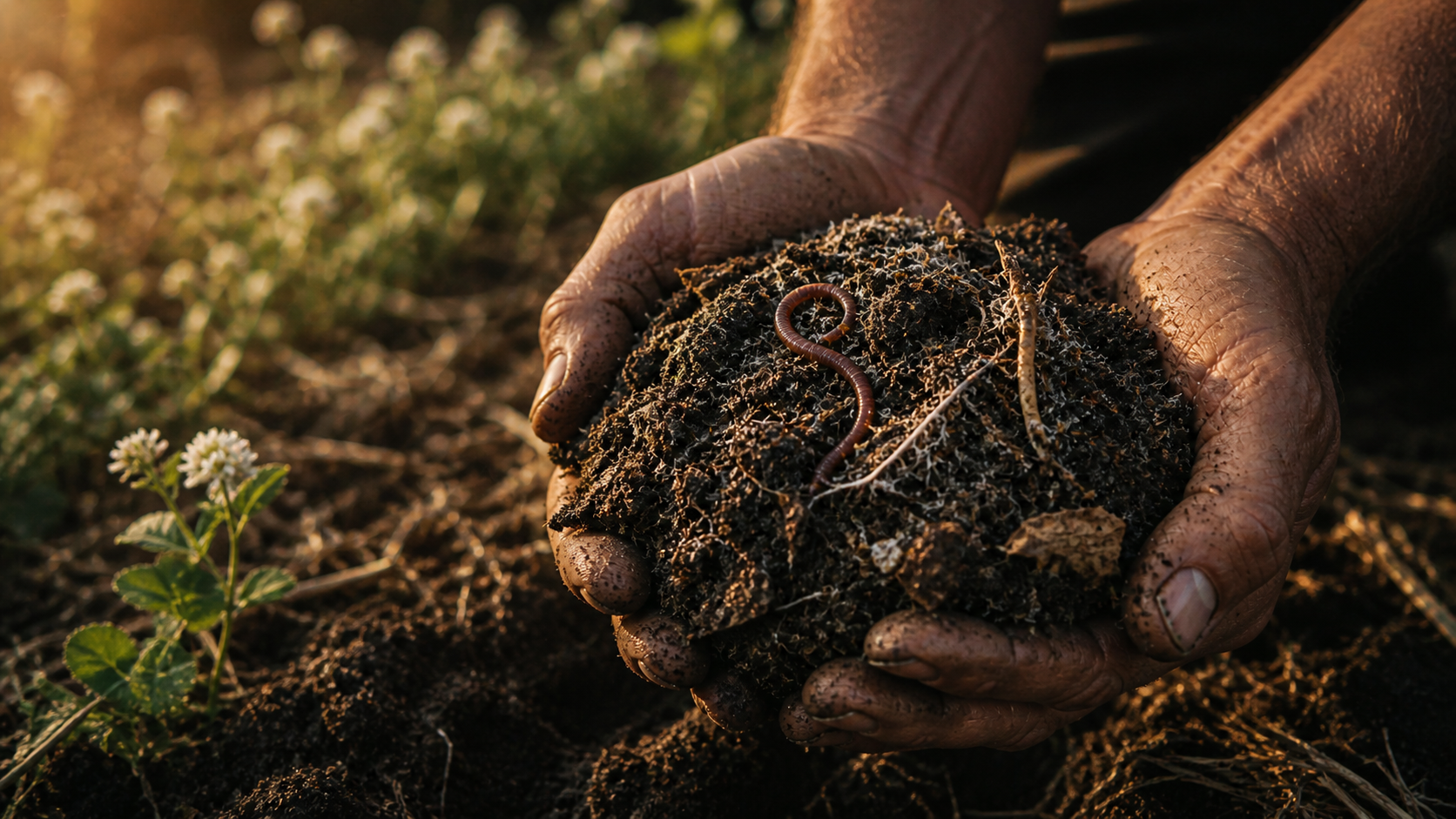
Then there is the soil. Indoor cannabis is almost always grown in inert media, hydro, or peat-coco mixes that are essentially blank slates fed by liquid nutrients. Sun-grown cannabis on a regenerative farm is grown in living soil: a working ecosystem of mycorrhizal fungi, bacteria, protozoa, earthworms, and decomposing cover crops. The plant does not just absorb nutrients. It trades. It releases sugars from its roots to feed microbes, and those microbes break down minerals into forms the plant can use. The terpene complexity that comes out of that exchange is something you cannot bottle and add to a reservoir.
The Emerald Triangle reality check
The romance of sun-grown is real. So is the economic pain. Humboldt, Mendocino, and Trinity counties in Northern California, the legendary Emerald Triangle, have lost more than half of their licensed small farms since California legalized adult use. Many of these were generational outdoor operations, second and third generation farmers who survived prohibition only to be wiped out by taxes, regulatory fees, and a wholesale price collapse driven by oversupply from indoor mega-grows.
Some of the survivors have pivoted in interesting ways. Farmers cooperatives are bypassing distributors and selling directly to brands that care about provenance. A handful of small dispensaries in California, Oregon, and Massachusetts have started to feature outdoor and mixed-light flower at the top of the menu, with the farm name on the jar, the way wine has the vineyard on the label. Appellation programs, modeled loosely on European wine appellations, are rolling out in California to certify cannabis as actually sun-grown in a specific region under specific practices.
This is the renaissance. Not a return to the old guerrilla days. A redefinition of premium that has more to do with how the plant lived than how shiny the bud looks under a jeweler's loupe.
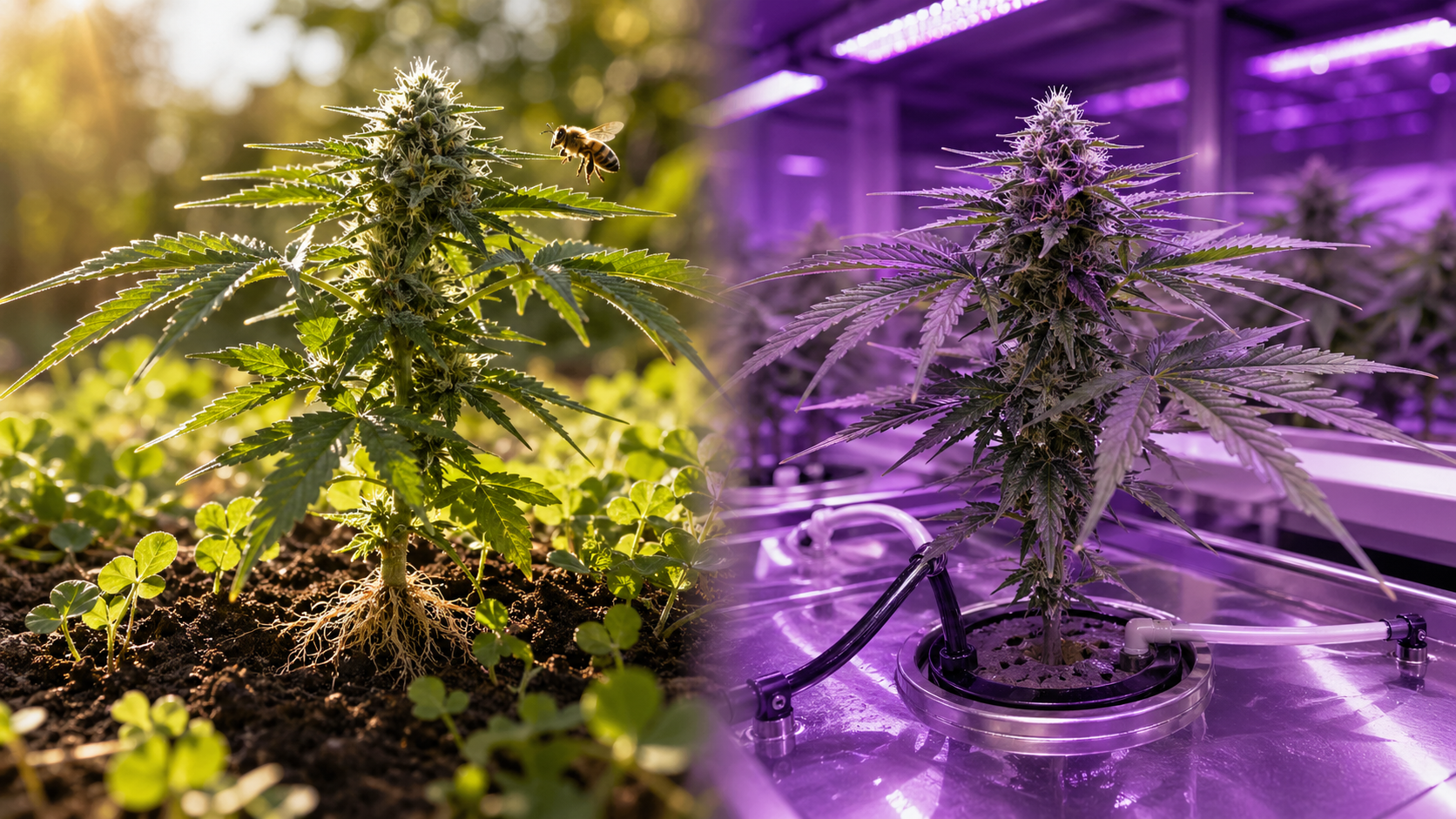
Cannabis Benefits: Why sun-grown matters for wellness
The wellness case for sun-grown cannabis is bigger than vibes. It is chemistry, ecology, and public health. Three concrete benefits stand out.
First, broader phytochemistry. Cannabis grown under full sunlight tends to express a wider range of minor cannabinoids and terpenes, the compounds that drive the entourage effect we covered yesterday. Researchers writing in Frontiers in Plant Science and reviewed by the National Center for Complementary and Integrative Health have noted that environmental stressors like UV light, temperature swings, and microbial pressure stimulate the plant's secondary metabolite production. In plain English, a plant that has to deal with real weather makes more of the molecules that matter for therapeutic effect.
Second, lower input load. Living-soil sun-grown cannabis typically uses no synthetic pesticides, no plant growth regulators, and no chemical fertilizers. That matters for patients, especially medical patients who are immunocompromised or pregnant. Multiple state cannabis testing labs have flagged synthetic pesticide and PGR contamination as a recurring issue in indoor commercial flower, including residues of chemicals like myclobutanil that produce hydrogen cyanide when burned. Sun-grown on a clean farm sidesteps almost all of those exposures.
Third, environmental and community health. The carbon footprint of indoor cannabis is one of the worst per-gram of any agricultural product in the United States. Sun-grown cannabis on regenerative farms can actually be carbon-negative when measured against the carbon sequestered in cover-cropped soil. Healthier rural watersheds, healthier farm workers, healthier downstream communities. Wellness is not just what is in the jar. It is everything the plant touched on the way there.
Where Weedcoin fits
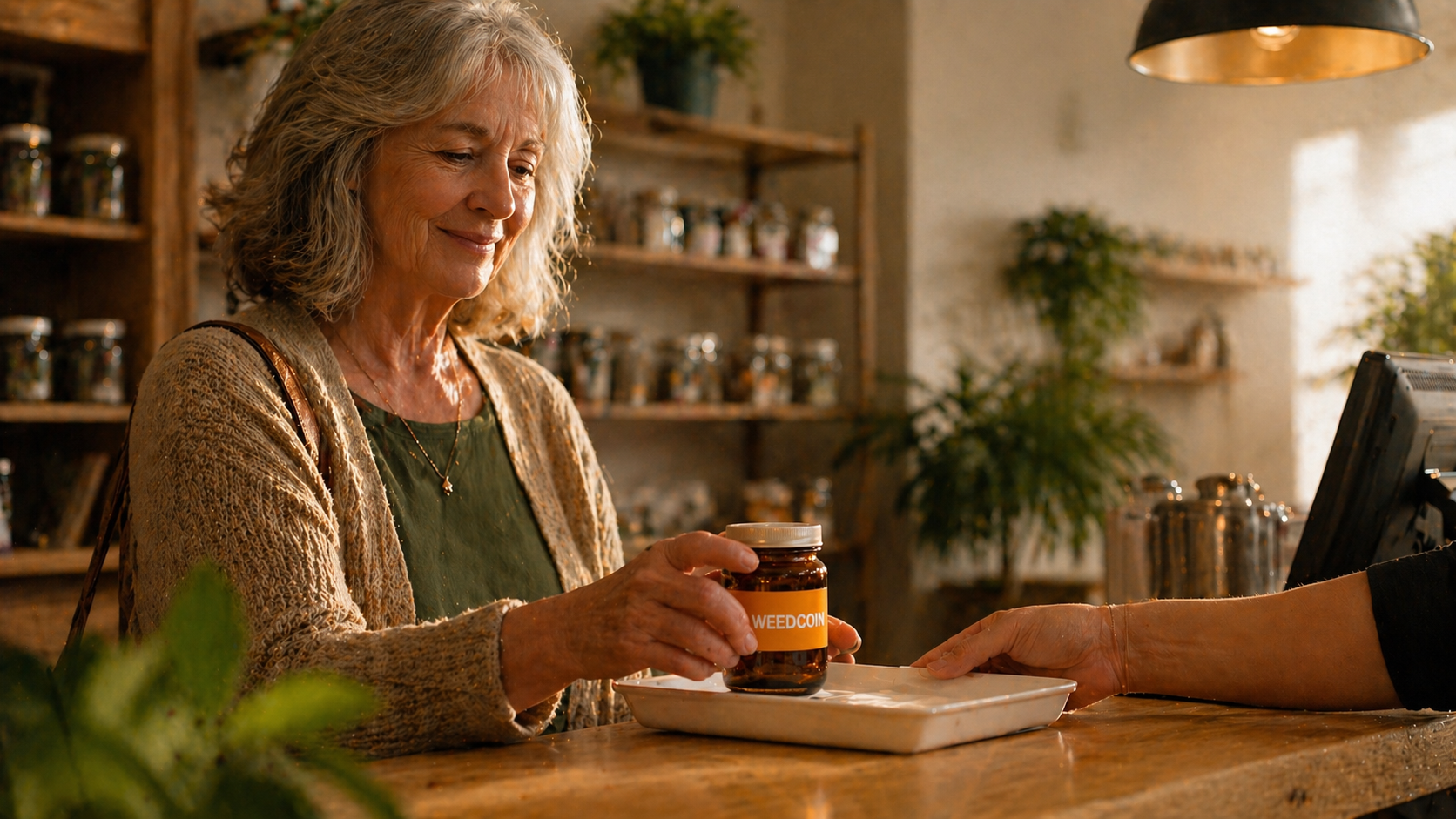
Weedcoin has always been culture-first, and culture-first cannabis follows the truth of the plant. The truth is that the future of premium is not a sealed warehouse with purple lights. It is a small farm at golden hour, a working ecosystem in the soil, a farmer who can name the cultivar's grandparents, and a community that pays for that work and shows up for it.
This is why we cover the Grow beat every Saturday. The growers are the foundation of everything else. No farms, no flower. No flower, no culture. No culture, no movement. The community we are building is the only thing that can pull the value back to the people in the dirt where it belongs.
If you have been buying indoor on autopilot, try a sun-grown jar this month. Read the farm name. Smell it before you grind it. Compare it to your usual. The renaissance is happening one purchase at a time.
Stay connected with the Weedcoin community:
Website: https://www.weedcoinog.com
Follow us on X: https://x.com/weedcoinog
Chat With Wiz (GPT): https://bit.ly/ChatWithWeedcoin
Contract Address: 21nnfR4TkbZNLwvRrqEseAbz7P3kxKjaV7KuboLJpump
Like bitcoin but way higher