SCOTUS Questions Cannabis Gun Ban as IRS Fights 280E
The Supreme Court Just Handed Cannabis a Moment
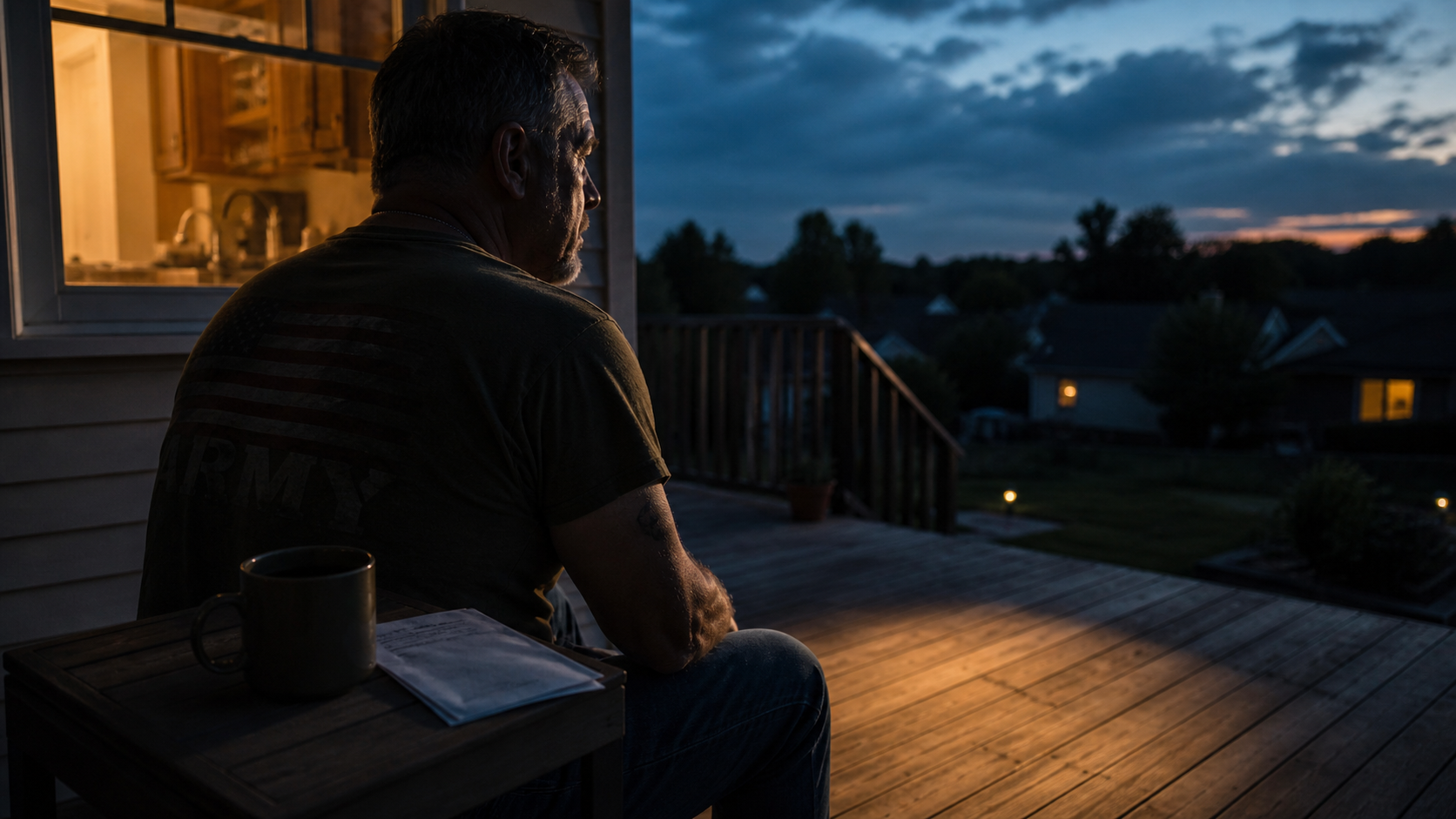
It happened quietly, the way big things in Washington always seem to happen before they explode. On Wednesday, the Supreme Court of the United States heard oral arguments in a case about whether the federal government can strip cannabis users of their Second Amendment rights. And from the sound of it, most of the justices weren't buying the government's pitch.
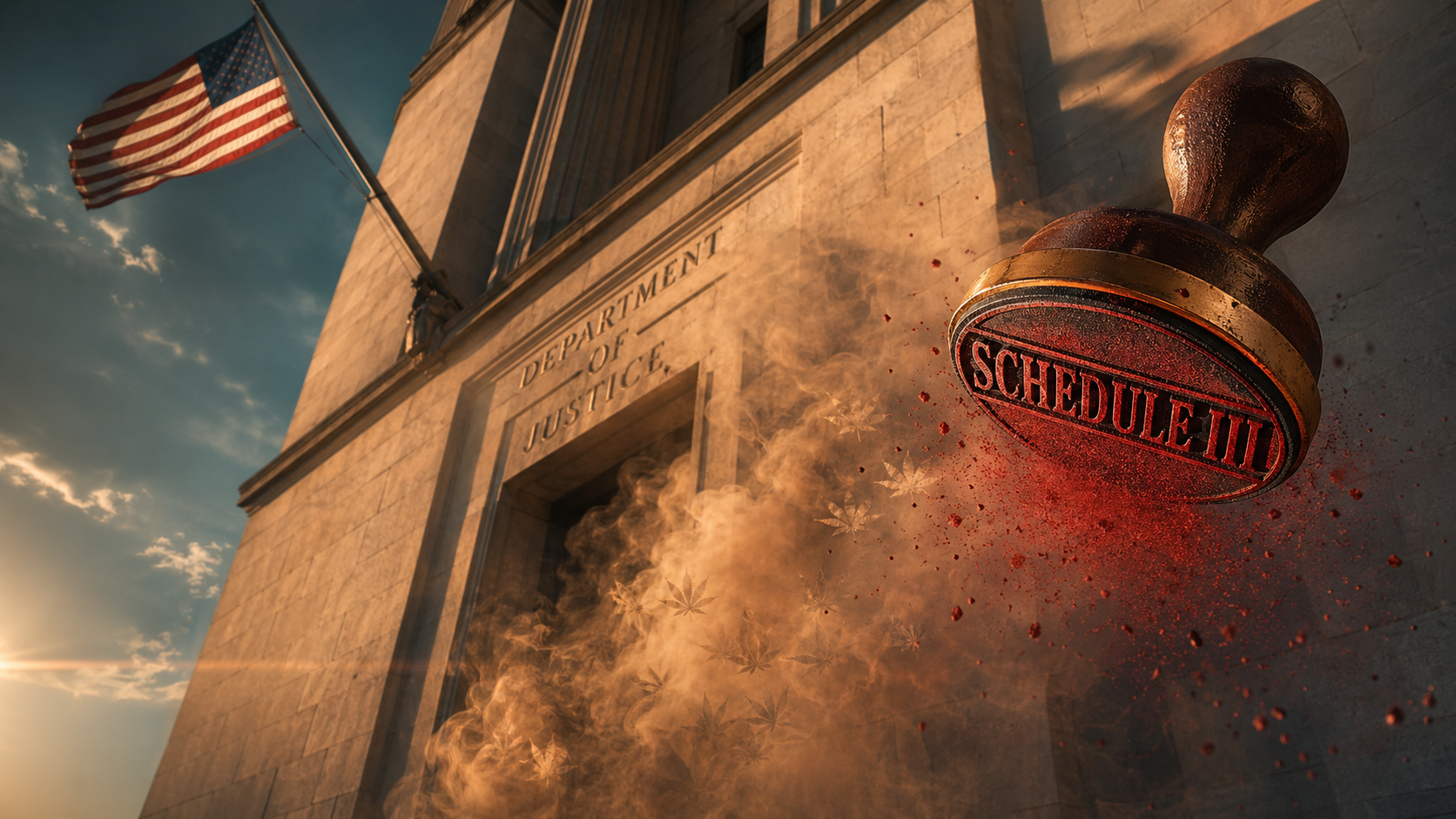
The case centers on a simple but loaded question: is someone who uses cannabis — a substance the federal government is actively in the process of rescheduling — so "uniquely dangerous" that they should be disarmed? Several justices openly questioned that logic. One of the clearest signals came when justices noted that if cannabis moves to Schedule III, the foundational argument for the gun ban collapses. You can't call someone a dangerous drug user when the government itself is reclassifying what that drug is.
This is the momentum you build over decades. And right now, in March 2026, that momentum is very much in motion.
Meanwhile, the IRS issued a different message entirely — one that basically said: we don't care what direction the wind is blowing, cannabis businesses are still paying full freight. Welcome to Grow It Forward Thursday.
The SCOTUS Signal: Rescheduling Changes Everything
The federal ban on cannabis users possessing firearms was always legally awkward. It's rooted in a 1968 law that allows the government to disarm people who are "unlawful users" of controlled substances. Because cannabis is Schedule I, users are technically unlawful at the federal level — even in states where it's fully legal.
But the Supreme Court justices who heard Wednesday's oral arguments seemed deeply uncomfortable with that reasoning in 2026. Several justices made direct references to the pending rescheduling process and asked whether classifying cannabis users as dangerous was still sustainable given what we now know scientifically and culturally about the plant.
This matters beyond the specific case. A Supreme Court ruling that undermines the cannabis-disarmament framework would force a broader reckoning with Schedule I's last remaining legal teeth. It would signal to lower courts, to Congress, and to the DEA that the old architecture is crumbling. It's not just about gun rights — it's about whether the federal government can keep treating cannabis users as second-class citizens while simultaneously rescheduling the plant they use.
No ruling yet. But the oral arguments told a story.
The IRS Isn't Waiting for the Story to End
While one branch of government was signaling flexibility, another was digging in. In the ongoing NM Top Organics case, the IRS argued this week that marijuana remains Schedule I for federal tax purposes until the rescheduling process is formally complete. Not implied complete. Not probably complete. Formally. Signed, sealed, and delivered complete.
That means 280E is still fully in force.
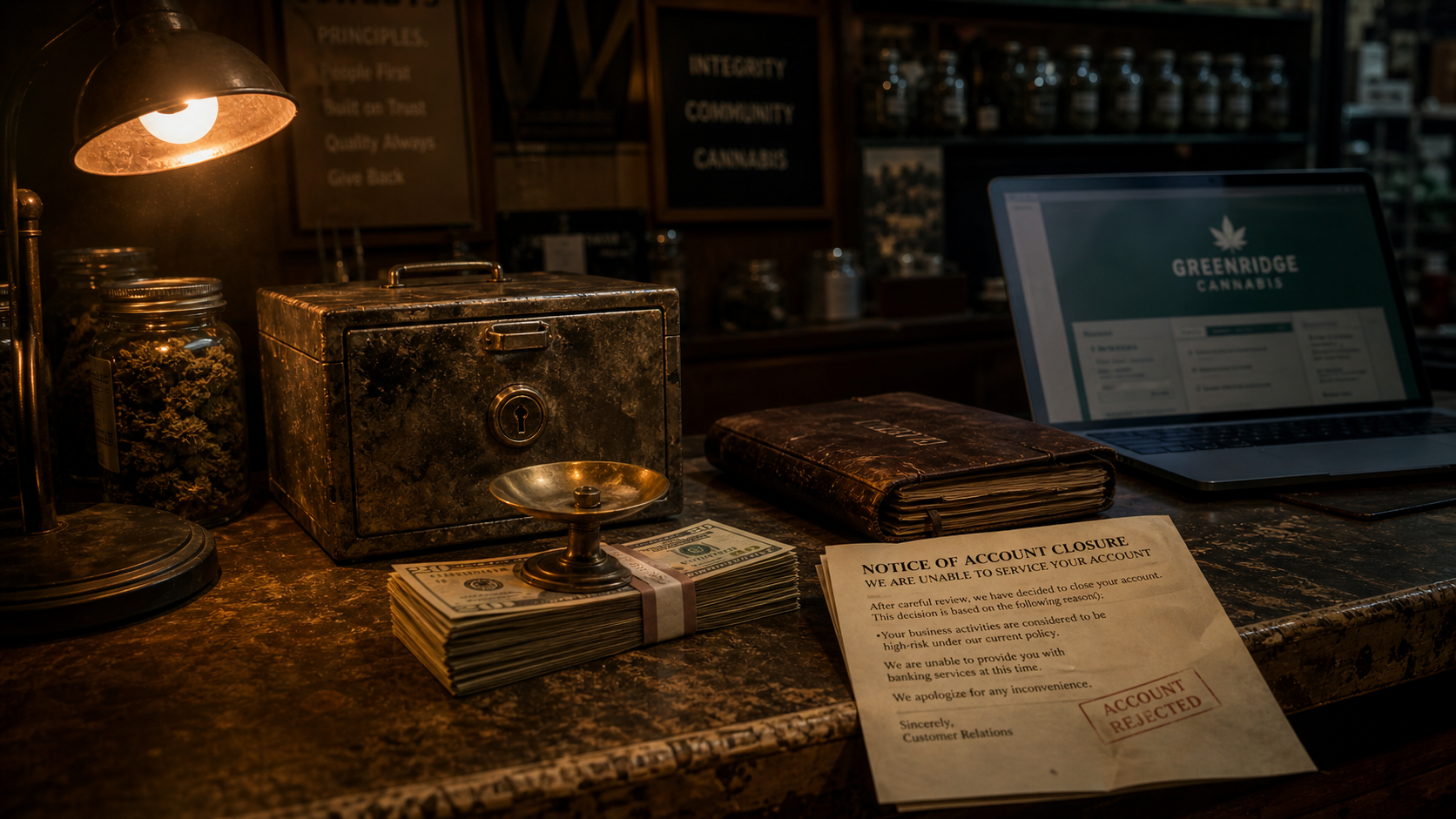
If you're not in the industry, 280E is the tax provision that bars cannabis businesses from deducting ordinary business expenses — payroll, rent, marketing, everything — because they're considered drug traffickers under federal law. It's a tax rate that can push effective rates above 70 percent for profitable dispensaries. It has bankrupted legal businesses, stunted hiring, and kept the regulated cannabis market perpetually disadvantaged compared to illicit operators who pay no taxes at all.
The IRS also argued that the Tax Court has no authority to rule otherwise. That's a significant power play — essentially saying the court system should stay out of it entirely until the executive branch resolves the rescheduling question.
The practical message to cannabis operators: keep doing the math the hard way. The relief isn't here yet.
State News: Texas, Alabama, Delaware, Louisiana
While federal courts and tax agencies debate the shape of the future, the states are living in it — and not all of them are moving in the same direction.
Texas is five days from a significant crackdown. New rules taking effect March 31 will ban smokeable hemp, eliminate THCA flower and pre-rolls from retail shelves, and impose new licensing fees ranging from $155 to $10,000 depending on the type of operator. The hemp industry in Texas is already preparing legal challenges to block the rules, but consumers should assume the ban takes effect on schedule. If you're in Texas and you're stocking up, the clock is ticking.
Alabama is finally launching medical cannabis. After years of litigation and licensing battles that made the state a cautionary tale for every other state trying to stand up a regulatory program, dispensaries are preparing to open for patient sales. It took longer than anyone expected, but patients who have been waiting are getting access at last.
Delaware's Senate unanimously passed a bill allowing terminally ill patients to use medical cannabis in hospitals, with the House committee already approving it. That's a common-sense measure that removes a cruel catch-22 — seriously ill patients who rely on cannabis for symptom management often have to stop using it the moment they're admitted to the hospital that's supposed to help them.
Louisiana is offering approximately $400 million in tax amnesty to cannabis businesses with back-tax obligations. It's a recognition that the patchwork of state and federal tax rules has left operators in impossible positions, and at least one state is acknowledging that reality with something more than a shrug.
What the Research Actually Says About Cannabis and Sleep
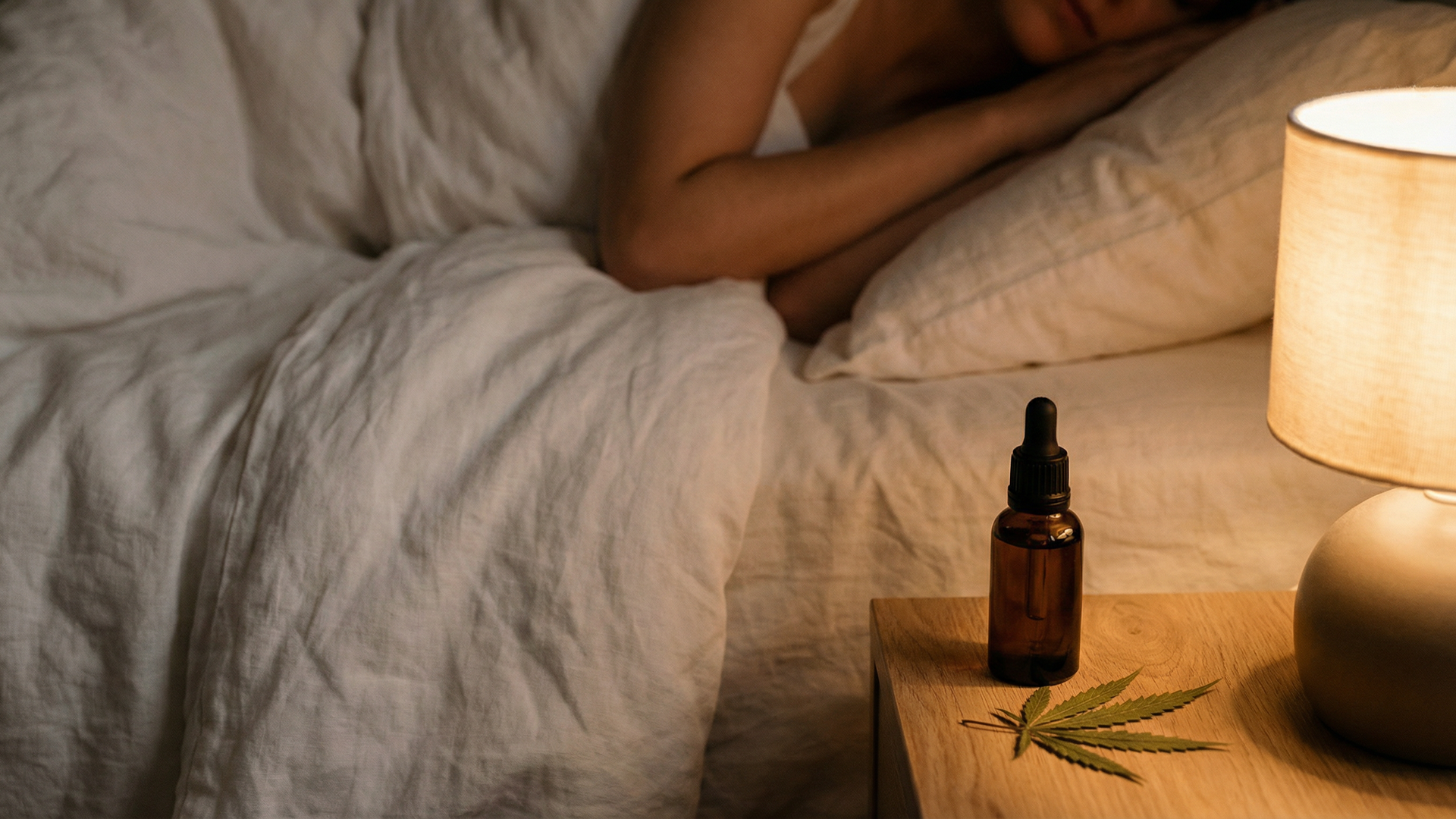
One of the most consistent findings to emerge from the last few years of clinical cannabis research has nothing to do with pain or anxiety or PTSD — though cannabis has shown benefits in all three areas. It has to do with sleep. And the science is building fast.
An 18-month study out of Imperial College London, published in PLOS Mental Health in late 2025, tracked 124 patients with insomnia who used cannabis-based products. The results were notable for two reasons: first, sleep quality improved significantly and those improvements held for the full 18-month follow-up period — that's not a short-term placebo effect. Second, participants also reported improvements in anxiety and depression, with only nine percent experiencing mild adverse effects.
A placebo-controlled trial from the University of North Florida, published in Health Science Reports in 2025, tested a hemp-derived supplement combining CBD, CBN, and THC — a combination researchers are calling the "Sleep Trio." Participants showed measurable improvements in sleep latency (how long it takes to fall asleep), sleep duration, and overall sleep quality within just 10 days. They also reported improved mental health and daytime energy.
A McMaster University naturalistic study published in JMIR examined data from 991 cannabis users across nearly 25,000 reported sessions. The finding: significant improvement in insomnia symptoms, with indica-dominant strains outperforming sativa-dominant strains and CBD-only products. This aligned with what many experienced users have said for years — that strain choice matters for sleep applications.
A 2025 meta-analysis in Sleep Medicine Reviews synthesized multiple controlled trials and found that cannabinoids improved sleep quality versus placebo with a standardized mean difference of 0.53 (p=0.04), with the strongest effects seen in patients dealing with chronic pain.
A few nuances worth knowing: THC tends to reduce REM sleep, which means high-THC heavy use isn't necessarily the optimal long-term sleep strategy. CBD appears to be dose-dependent — lower doses may actually be mildly stimulating, while higher doses lean sedating. And the emerging consensus is pointing toward the CBD-CBN-melatonin combination as the most effective non-prescription sleep approach for most people.
You might not even need a dispensary to access this — the UNF study specifically used hemp-derived products, which are available in most states.
Here's one more data point worth noting: states with legal cannabis markets have been seeing declining over-the-counter sleep aid sales. The market is making the argument the researchers are making. People are switching.
Crypto Corner: Fear Is in the Air, But the Framework Is Being Built
The macro crypto market is in a rough patch this week. Bitcoin is trading around $71,000. Solana is around $92. The Crypto Fear & Greed Index hit 11 — deep into extreme fear territory — as US-Iran geopolitical tensions are driving broad risk-off sentiment.
But zoom out from the fear index and the picture is different.
Yesterday, the House Financial Services Committee held a hearing titled "Tokenization and the Future of Securities." The real-world asset (RWA) market is now sitting at $26.48 billion on-chain, up 5.25 percent in the last 30 days, representing $387.35 billion in underlying asset value. The SEC's newly proposed five-category token taxonomy named 16 crypto assets as digital commodities — and Solana's SOL is among them.
That's not a minor detail. It means Congress and regulators are explicitly building frameworks that treat Solana as legitimate infrastructure, not a speculative toy. The Solana Foundation also released a new privacy framework for enterprise applications this week, signaling that the network is building for institutional and commercial use cases, not just DeFi speculation.
Strategy (formerly MicroStrategy) added another 1,031 BTC this week, bringing their total to 762,099 BTC. The institutional accumulation of Bitcoin has not stopped.
Fear and greed indexes measure the room temperature, not the construction going on underneath. The legislative and regulatory architecture being built around tokenized assets and on-chain real-world value is not being undone by a week of geopolitical anxiety.
Six Days Out, Twenty-Five Days to 4/20
Weedcoin turns one year old in six days. April 1, 2025 was the launch. April 1, 2026 is the one-year mark for a community that has held through all of it — the volatility, the regulatory uncertainty, the weeks when the macro looked terrible — because the narrative underneath keeps getting stronger.
The Supreme Court is asking the right questions. Science is validating what cannabis users have known about sleep for years. States are expanding access even as the federal government takes its time. And the blockchain infrastructure that Weedcoin lives on is being written into congressional hearings and SEC frameworks as legitimate.
That's what you hold through. Not the fear index. The architecture.
Twenty-five days to 4/20. Six days to the anniversary. The community is still here, still building, still growing it forward.
Stay connected with the Weedcoin OG community:
Website: https://www.weedcoinog.com
Follow us on X: https://x.com/weedcoinog
Chat With Wiz (GPT): https://bit.ly/ChatWithWeedcoin
Contract Address: 21nnfR4TkbZNLwvRrqEseAbz7P3kxKjaV7KuboLJpump
Like bitcoin but way higher 🌿