Why Veterans Still Can't Get Cannabis From The VA In 2026
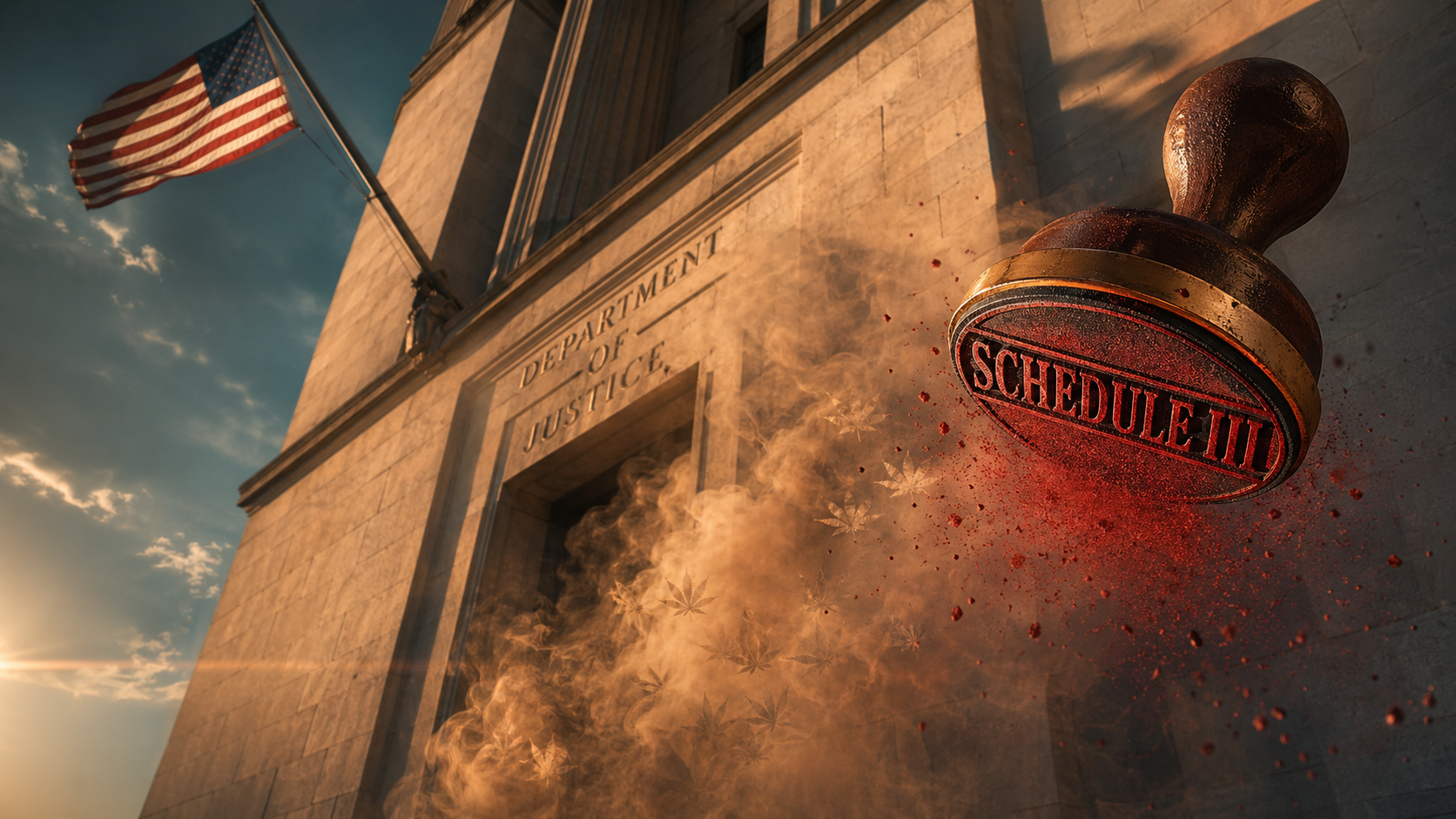
Cannabis is Schedule III now. Veterans still cannot get it from the VA. That is the whole story, and almost nobody is telling it cleanly.
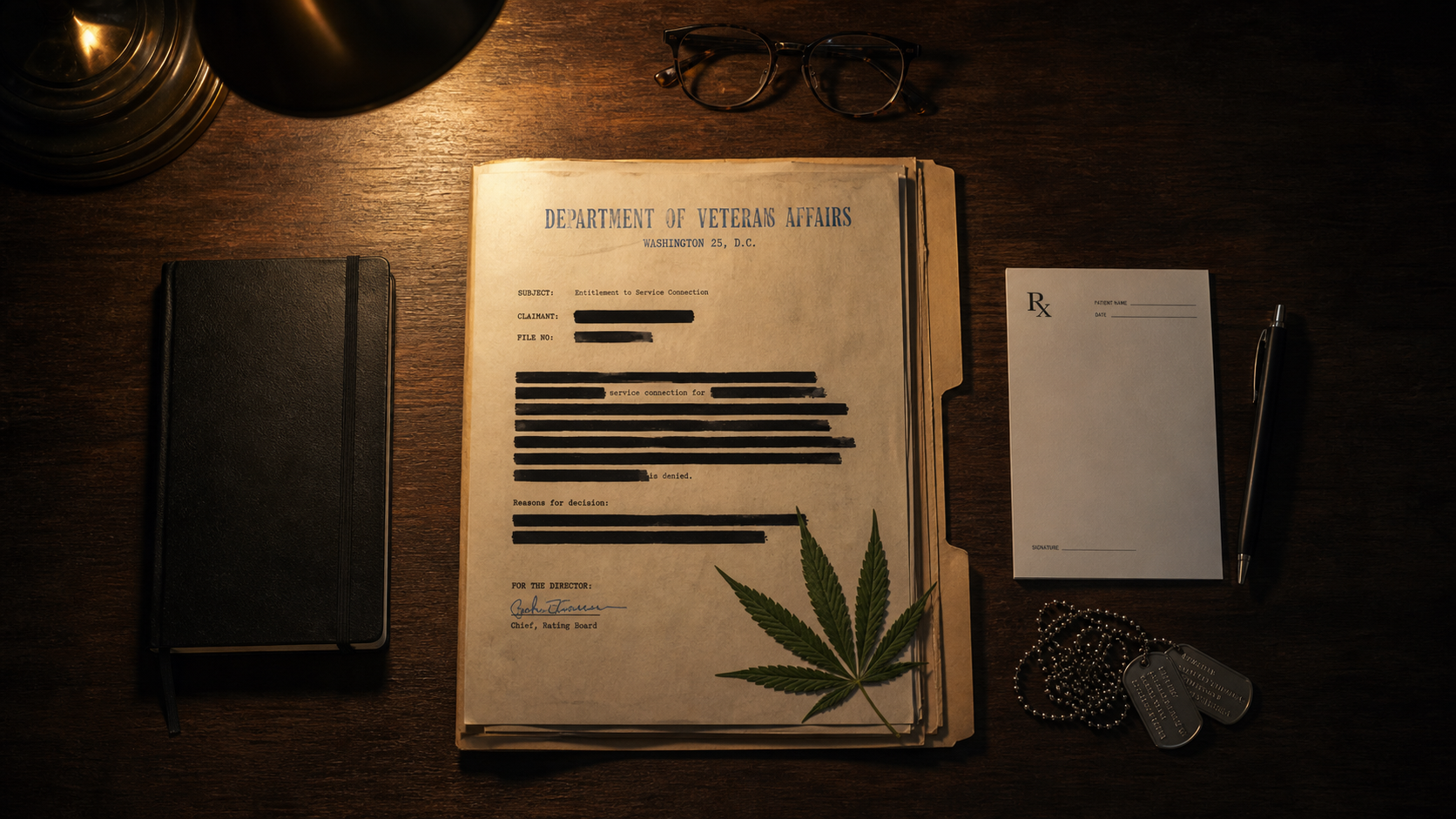
The December 2025 executive order moved cannabis off Schedule I, which was the right call about thirty years late. It made serious research possible at scale for the first time. What it did not do is change the federal statute that bars Department of Veterans Affairs doctors from prescribing it, paying for it, or even filling out the paperwork a vet needs to enroll in a state medical program. So a veteran with PTSD, chronic pain, or a traumatic brain injury still walks out of the same fluorescent VA waiting room with the same answer their dad got: we can talk about it, but we cannot help you get it.
The science is moving. The politics is moving. The VA's prescription pad is sitting on the same desk it has always been on.
That gap is the part the headlines keep missing. Rescheduling was not a finish line for veterans. It was a starting gun for the lab and a non-event for the clinic. Per Military Times reporting on the executive order in December 2025, VA Press Secretary Pete Kasperowicz went on record saying the rescheduling does not change the VA's prescribing rules. The white coats got the green light. The veteran sitting across from one of those white coats got nothing.
The stakes are not theoretical. Chronic pain hits an estimated 65 percent of veterans. They die from accidental prescription opioid overdose at roughly twice the rate of the civilian population. The VA already has six active cannabis studies and has completed ten since 2010, but Schedule I had been quietly choking the size and design of those trials for a decade. Schedule III opens the door for the kind of large randomized studies the FDA actually treats as evidence. That is real progress. It is also progress that arrives on a five-to-ten-year timeline, while the veteran in front of you needs an answer this Tuesday.
What veterans are actually using cannabis for, when you sit down and ask, comes back almost the same every time. Pain. Sleep. The version of PTSD that opioids and SSRIs do not fully reach. A 2026 study published in the Harm Reduction Journal looked inside a VA Substance Use Disorder treatment program and found about one in three veterans was using cannabis during treatment, primarily for analgesia, anxiety, and insomnia, and explicitly framed as harm reduction rather than getting high. That framing is the part that matters. This is not a recreational story dressed up in a medical lab coat. It is functional medicine that veterans are already self-administering, often in place of something more dangerous, and the federal government's job is to catch up to a thing that is already happening.
There is real movement in the lab too. Wayne State University opened recruitment in January 2026 for Warrior C.A.R.E., a twelve-week THC and CBD treatment program for veterans with PTSD and suicidality, with one arm pairing cannabis with therapy. Two older studies still get cited inside congressional offices: a 2015 trial on Canadian military personnel that showed a meaningful drop in PTSD-associated nightmares, and a 2021 study showing promising mitigation of broader PTSD symptoms. Neither was huge. That is exactly the point. Schedule III is supposed to make the next round of those studies bigger, longer, and built like real evidence instead of a footnote.
The legislative side is the part that has been stuck the longest. The Veterans Equal Access Act would close the prescribing gap by letting VA doctors recommend medical cannabis where state law allows it. Florida Republican Rep. Brian Mast, an Army combat veteran who lost both legs in Afghanistan, has been pushing versions of that bill for years. In an April 2026 post on his House page, Mast wrote that with rescheduling now moving forward, the same bill is finally positioned to tell the VA, in plain language, that a veteran's doctor can do their job. His co-author Rep. Gregory Steube has pushed parallel language protecting veterans from losing benefits over state-legal cannabis use. The bill keeps coming back. It keeps not passing. The 119th Congress will tell us whether that pattern breaks or whether veterans wait another two years.
What a veteran can actually do right now
This part deserves its own section because most articles bury it. The law in 2026 is not as restrictive as the rumors. It is restrictive in specific ways that are worth knowing word for word.
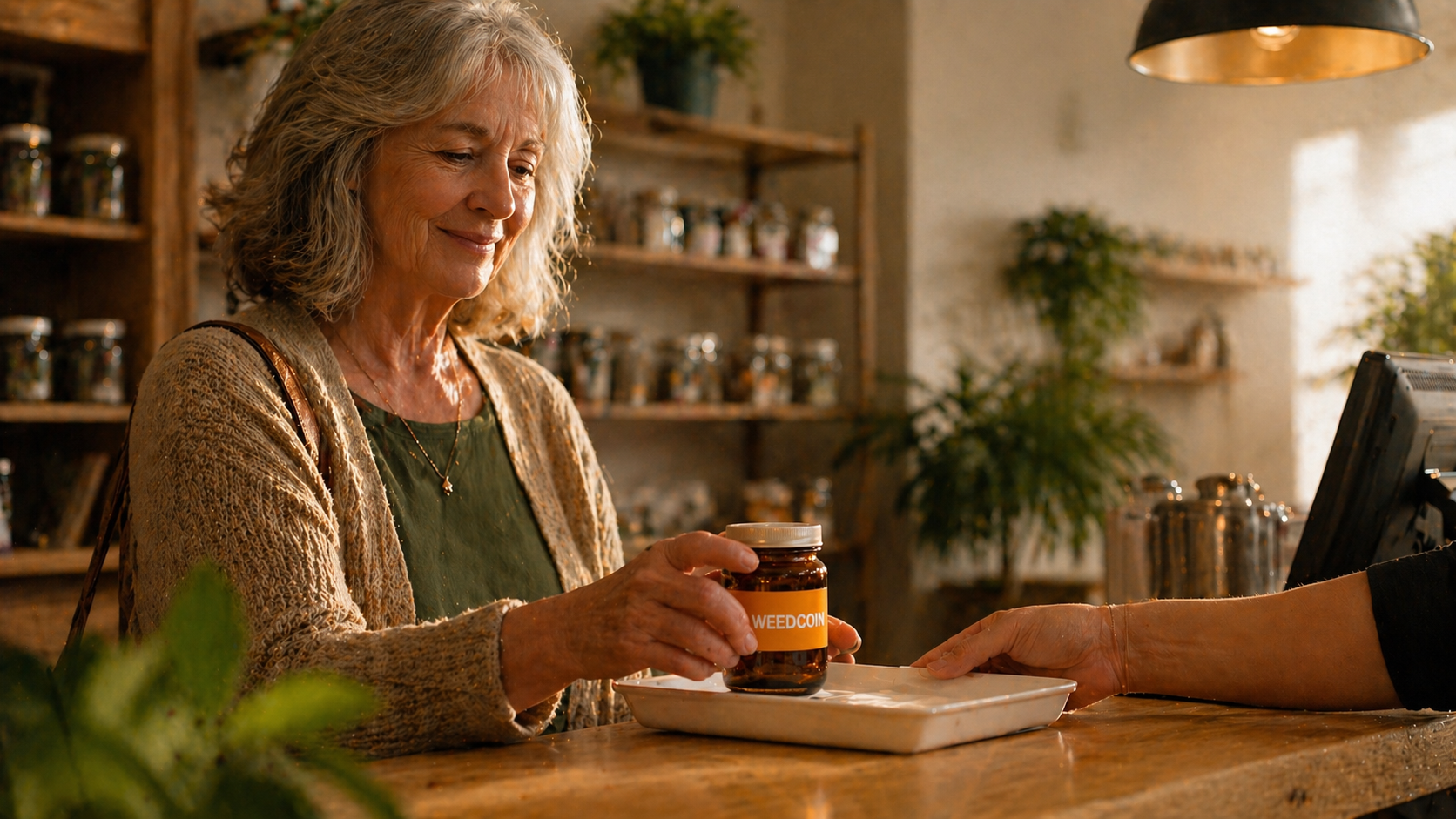
A VA provider is allowed to discuss cannabis use with you. You should put your use in your medical record honestly, because the record protects you and informs your treatment plan. The VA is not allowed to deny you benefits or care because you use state-legal medical cannabis. What the VA cannot do is prescribe it, cannot pay for it, and cannot fill out the state medical program paperwork you need to enroll. You should never bring cannabis onto VA property, even if your state says you can carry it. State medical programs are how veterans are actually accessing cannabis in 2026, with forty states and Washington DC running programs that work in parallel to the federal gap. Illinois went a step further this year and started letting VA-treated veterans use twelve months of VA medical records in lieu of a private physician certification, which is the first time a state has effectively bridged its program with the VA's records.
That is the picture. The science is loosening. The advocacy organizations have been on record for a decade. The American Legion's Resolution 13, passed October 2025, calls for research into psilocybin, ibogaine, MDMA, and cannabis for PTSD and TBI. Disabled American Veterans Resolution 023, passed back in 2018, has been making the same case on cannabis specifically since before any of this was politically safe. The community on the ground is already there. It is the federal prescribing rule that is the last wall standing.
The Trump administration's April 18, 2026 executive order accelerating psychedelic therapy research for veterans, which the American Legion endorsed publicly, suggests the political appetite for non-traditional veteran mental health treatment is higher than it has been in either party. That is the strongest tailwind the Veterans Equal Access Act has ever had. It is not a guarantee.
When we covered the rescheduling fight in our prior Weedcoin post, Banking Cannabis: Why SAFE Still Matters After Schedule III, the takeaway was that rescheduling moved a lot of pieces and finished none of them. Veterans are the cleanest example of why that is true. The plant has a new federal address. The VA still has the wrong key on the ring. The story of 2026 for veterans is whether Congress finally hands them the right one, or whether another year goes by with research papers and resolutions on the table and the prescription pad still blank.
CONNECT WITH WEEDCOIN
Read the full post: https://www.weedcoinog.com/veterans-cannabis-va-ptsd-2026
Website: https://www.weedcoinog.com
Follow us on X: https://x.com/weedcoinog
Telegram: https://t.me/weedcoinogchannel
Chat With Wiz (GPT): https://bit.ly/ChatWithWeedcoin
Contract Address: 21nnfR4TkbZNLwvRrqEseAbz7P3kxKjaV7KuboLJpump
Like bitcoin but way higher 🌿