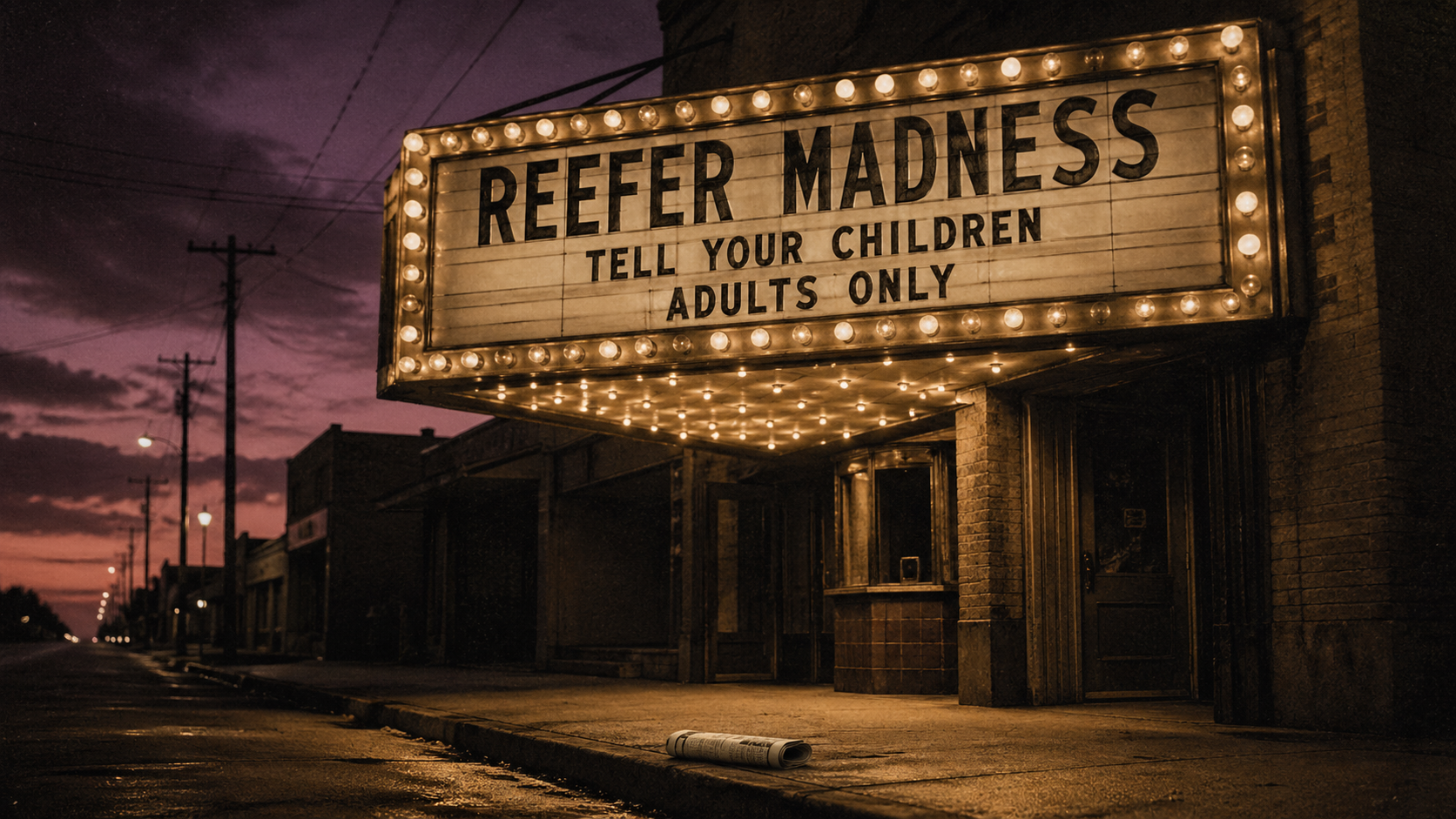
What Schedule III Really Means for Medical Cannabis Patients
What Changes for Patients Under Schedule III?
For the first time since 1970, federal law treats your state-licensed medical cannabis as something other than heroin's legal cousin. The DOJ's April 22, 2026 final order moved state-regulated medical cannabis and FDA-approved cannabis drug products to Schedule III of the Controlled Substances Act. If you hold a current state medical card, your medicine just stopped being a Schedule I narcotic in the eyes of the federal government. That is the headline. The day-to-day reality is more interesting, and a little messier, than the headline suggests.
Adult-use cannabis is not part of this order. If you live in a recreational-only state and you do not have a medical card, nothing federal changed for you on April 22. The DEA opens a separate hearing on June 29, 2026 to decide whether full rescheduling moves forward. That hearing is the next domino. For now, this piece is about the patients who already qualify under their state's medical program, because you are the people who are immediately affected.
Will My Card Still Work the Same Way?
Yes, with a wrinkle worth knowing. The order specifically incorporates state licensing systems into the federal framework, which means your existing state medical certification continues to function as the document that gets you into a dispensary. According to the DOJ's April 23 final order, "state-authorized medical marijuana certifications or similar documents are sufficient to permit the dispensing of medical marijuana to users." You are not suddenly required to get a federal prescription from a DEA-registered doctor to refill what you have always refilled.
The wrinkle is on the dispensary side, not yours. Every state-licensed medical operator now has 60 days from publication, until Monday, June 22, 2026, to file an expedited DEA registration. Operators who file inside that window can keep selling under their state license while the DEA processes the paperwork. The DEA has committed to processing those early applications within six months. If your local dispensary skips the deadline, that is when access gets bumpy. Ask them. Most are scrambling to file early because they understand exactly what the calendar means.
What About 280E and Why Should Patients Care?
Section 280E is the IRS rule that has been quietly making your medicine more expensive for over a decade. Because cannabis was Schedule I, the federal tax code blocked dispensaries from deducting normal business expenses, things like rent, payroll, and utilities. They paid federal income tax on gross profit instead of net profit. Treasury and the IRS confirmed on April 23 that "rescheduling generally removes section 280E as a bar to claiming deductions and credits" for medical operators now selling Schedule III product.
That tax math used to land in your wallet. Operators were running effective federal tax rates of 60 to 80 percent because they could not deduct ordinary expenses. They priced product to survive that hit. With 280E gone for state-licensed medical operations, dispensaries finally have room to either lower prices, expand access, pay staff better, or reinvest in better cultivation. It will not happen overnight, and dual-license operators in states with both medical and recreational programs are still working out how to apportion the relief. But this is the financial change patients will feel first, in months not years.
One thing rescheduling does not do is automatically erase prior federal cannabis convictions, legalize personal cultivation, or create new privacy protections for your medical records. The order is narrow on purpose. As the National Law Review noted in its April 24 analysis, the change is meaningful for industry participants but not transformative for the broader legal landscape. Your dispensary will keep more detailed inventory logs and some products may carry new federal warning labels. None of this requires anything new from you as a patient. If you have ever filled a prescription for testosterone or codeine, both Schedule III drugs, the framework is similar from the consumer side.
Will Out-of-State Cards Suddenly Work Everywhere?
This is the question coming up most this week. The short answer is no, and the long answer is interesting. State medical programs still control reciprocity. If your state recognized California or Oklahoma cards before April 22, it still does. If it did not, it still does not. The federal framework integrates state licensing but does not override state-level reciprocity rules.
That said, the order opens one door that has been welded shut since 1970, namely interstate commerce for FDA-approved cannabis drug products and import and export permits for DEA-registered operators. The path to a patient in Texas getting Florida-grown medical flower legally shipped across state lines is now theoretically possible. It is not happening tomorrow. It is no longer impossible.

What Should I Actually Do This Week?
Three things are worth doing in the next seven days. First, ask your dispensary if they have filed their DEA registration application. The June 22 deadline is real, and operators who miss it face a service interruption. Second, renew your state medical card if it is anywhere near expiring. The state framework is what carries you through this transition, and a lapsed card is a lapsed card under both state and federal law. Third, watch the June 29 DEA hearing. That is where the broader question of full cannabis rescheduling, beyond just medical, gets decided.
Yesterday's blog covered Schedule III Is Here: What Reclassification Actually Changes from the policy and industry side. Today is the patient view. Tomorrow we look at the propaganda machinery that put cannabis in Schedule I in the first place, in our Wednesday Suppression Files territory.
Quick FAQ for Patients
Do I need a new federal prescription to keep buying medical cannabis? No. State certifications continue to work as the dispensing document under the DOJ order.
Will my dispensary close? Only if it fails to file DEA registration by June 22, 2026, and even then there is a six-month review window for early filers.
Did adult-use cannabis get rescheduled too? No. Adult-use cannabis remains Schedule I. The June 29, 2026 DEA hearing will determine whether that changes.
Stay connected with the Weedcoin community:
Website: https://www.weedcoinog.com
Follow us on X: https://x.com/weedcoinog
Chat With Wiz (GPT): https://bit.ly/ChatWithWeedcoin
Contract Address: 21nnfR4TkbZNLwvRrqEseAbz7P3kxKjaV7KuboLJpump
Like bitcoin but way higher 🌿