The White House Schedules a CBD Meeting While DHS Lists Weed as Worst of the Worst
One federal agency is building a framework for CBD. Another is calling a single joint the worst thing about you.
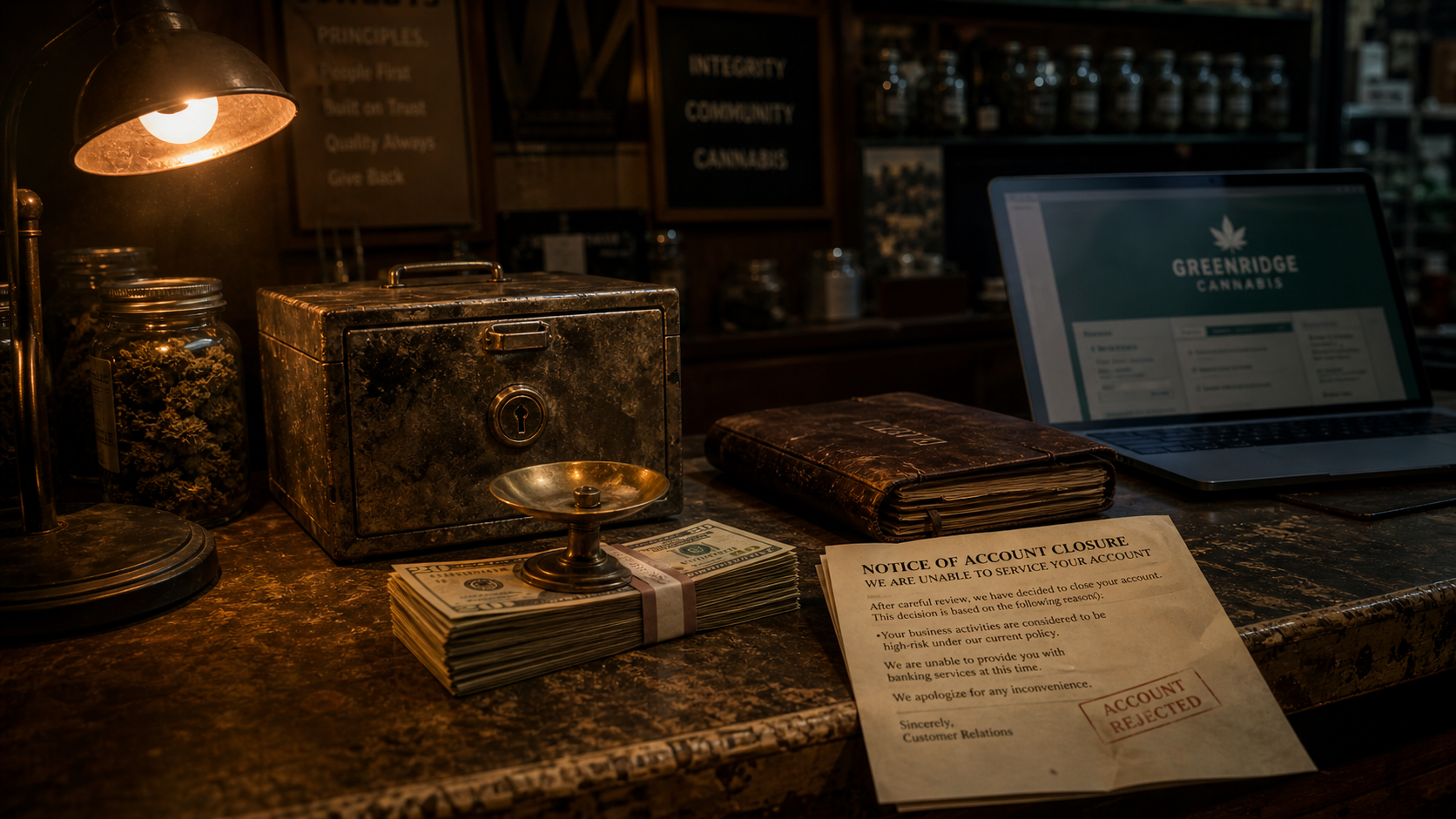
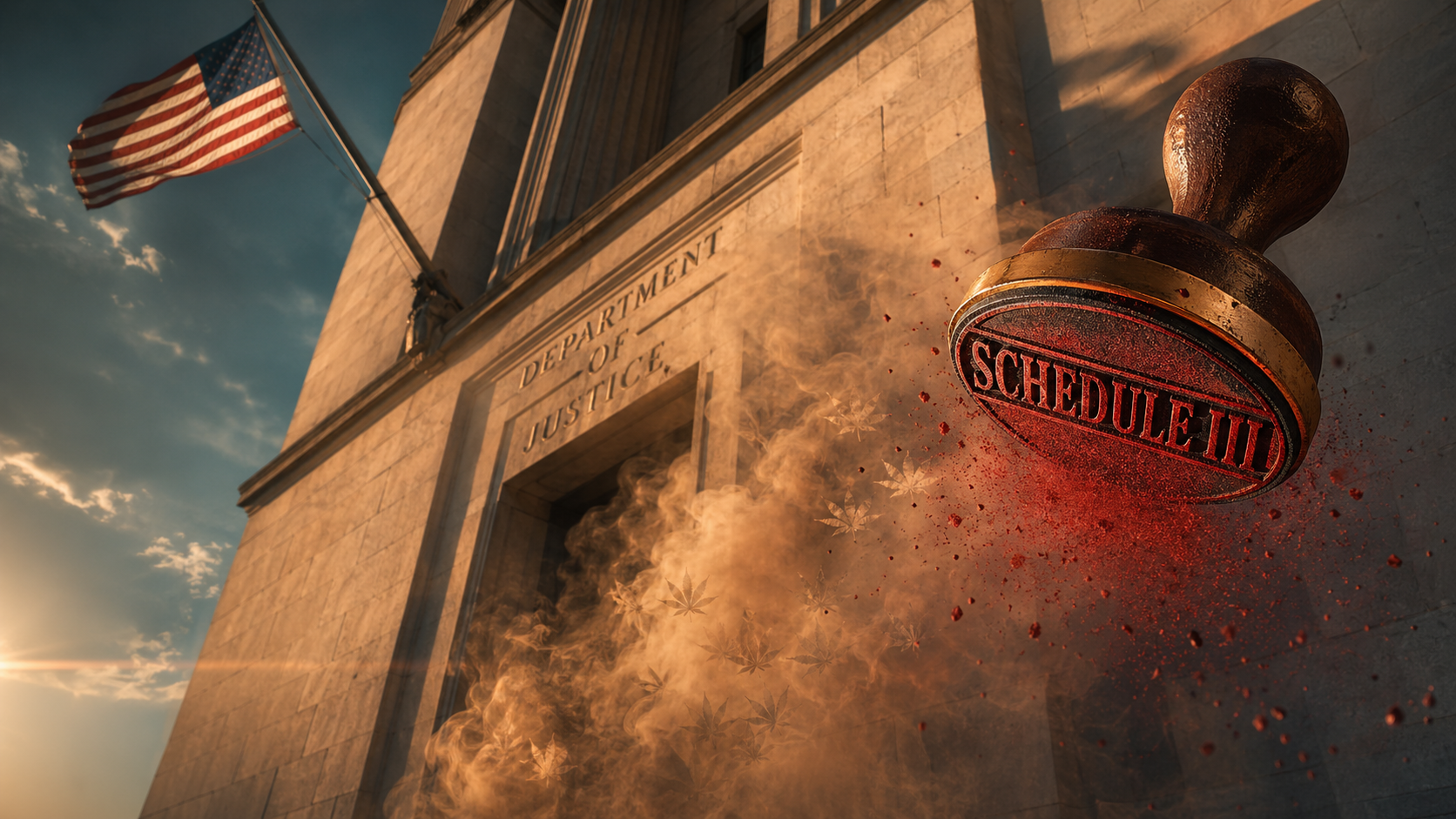
The White House is reviewing the FDA's first CBD enforcement policy. That same week, the Department of Homeland Security published a list of "worst of the worst" arrests that includes 77 people whose only noted charge is marijuana possession.
Two branches of the same federal government. Two completely different realities about the same plant. That is where cannabis policy sits in March 2026 -- not broken in one direction, but fractured in every direction at once.
The White House CBD Meeting
The White House Office of Management and Budget has scheduled a meeting for next week to review the CBD products compliance and enforcement policy that the FDA submitted for approval earlier this month. This is the final step before the policy becomes official.
The meeting is significant because it gives stakeholders -- including CBD brands, industry groups, and advocacy organizations -- one last window to express concerns or support before the framework is locked in. Once OIRA completes its review, the FDA will have its first formal enforcement playbook for the CBD market since hemp was legalized in 2018.
Based on FDA signals, the policy is expected to prioritize three areas: cracking down on unsubstantiated health claims (especially those targeting anxiety, pain, and sleep without clinical evidence), requiring Current Good Manufacturing Practices across the industry, and addressing whether CBD can legally be marketed as a dietary supplement under a New Dietary Ingredient pathway.
For eight years, the CBD industry has operated in regulatory limbo. This meeting is the beginning of the end of that era. Whether the rules that emerge are fair and workable or heavy-handed and destructive will depend in part on who shows up and what they say.
DHS Calls 77 Marijuana-Only Arrests the Worst of the Worst
While one part of the federal government is building a framework to regulate cannabis products, another part is using cannabis possession to justify immigration enforcement.
The Department of Homeland Security's published list of noncitizens arrested by federal immigration officials -- described by the agency as the "worst of the worst" -- contains at least 77 people whose only noted charge is marijuana possession. Not trafficking. Not distribution. Possession.
This is the same administration whose president stated that "it is time to end needless arrests and incarcerations of adults for small amounts of marijuana." The same president who signed an executive order in December directing the attorney general to accelerate cannabis rescheduling.
The contradiction is not subtle. And it matters, because the language of "worst of the worst" does not just describe enforcement priorities -- it shapes public perception. When marijuana possession appears on the same list as violent crimes, it reinforces a stigma that the rest of the federal government is actively trying to dismantle.
For the cannabis community, this is a reminder that progress does not move in a straight line. Policy changes at the top do not automatically filter down to every agency, every field office, every enforcement decision. The culture war over cannabis is not over. It is just being fought on different fronts.
Idaho: From Last Holdout to Ballot Measure
Idaho is one of the last states in the country without any form of legal cannabis. That could change in November.
The Natural Medicine Alliance of Idaho has collected enough signatures for a medical cannabis legalization initiative to exceed the statewide threshold for ballot qualification. The campaign released an economic impact analysis projecting that the reform could generate over $100 million in annual sales and up to $28 million in new yearly revenue for the state.
Under the proposed Idaho Medical Cannabis Act, patients diagnosed with qualifying conditions -- including cancer, HIV/AIDS, PTSD, chronic pain, anxiety, autism, and insomnia -- could register with the state board of pharmacy to purchase medical cannabis from licensed businesses. The initiative would initially authorize no more than three vertically integrated businesses and six retail locations. Products would include smokeable cannabis, inhalables, and edibles with a 10mg THC per serving cap.
Idaho would become the 41st state with a medical cannabis program if the measure passes. The campaign still faces the challenge of meeting a separate regional signature distribution requirement, and the measure will need to survive what is likely to be a well-funded opposition campaign. But the fact that Idaho -- one of the most conservative states in the nation on drug policy -- is this close to putting medical cannabis on the ballot says something about where the country is heading.

Cannabis and PTSD: What the Research Is Finally Showing
Today's cannabis benefits section focuses on PTSD and veteran mental health -- an area where the human need is urgent and the clinical evidence is finally catching up.
Wayne State University was awarded over $10 million from the Michigan Cannabis Regulatory Agency to study the potential therapeutic effects of cannabis on veterans with PTSD and depression. The research, funded through Michigan's Veteran Marijuana Research Grant Program, includes clinical trials where veterans participate in a 12-week treatment program testing varying levels of THC and CBD. Researchers are evaluating how these treatments affect mood, mental health, and overall well-being.
The study has obtained all required federal, state, and local approvals and recruitment is officially open. As lead investigator Dr. Leslie Lundahl put it: "This study represents a critical step in addressing the mental health challenges facing veterans. By using rigorous scientific methods, we aim to understand whether cannabis can play a safe and effective role in improving veterans' lives."
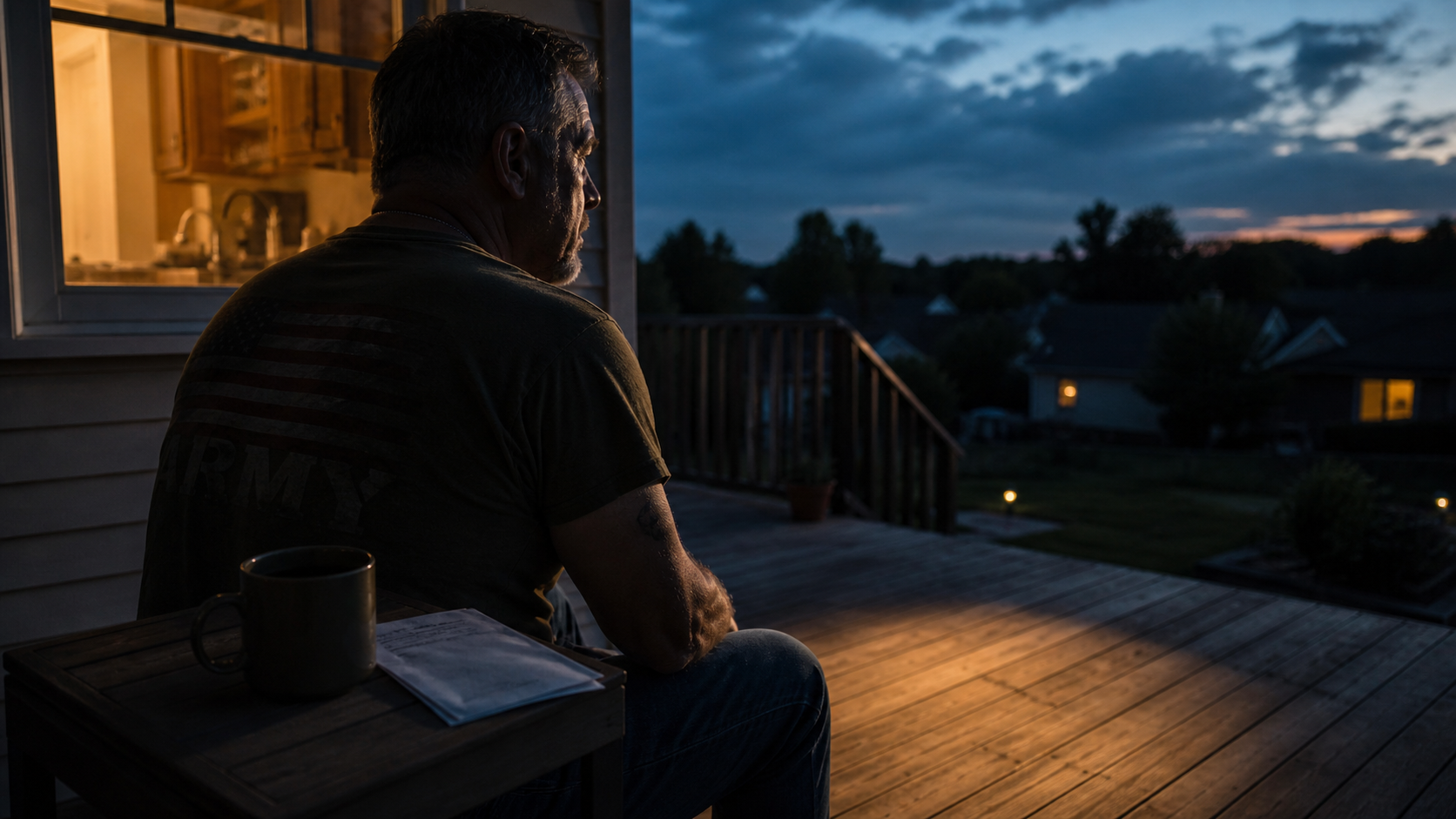
The research responds to a crisis that numbers alone cannot capture. Veteran suicide remains one of the most persistent public health emergencies in the country. Conventional treatments -- SSRIs, exposure therapy, cognitive processing therapy -- help many veterans but leave too many others without relief. Cannabis has long been reported anecdotally by veterans as helpful for PTSD symptoms, but rigorous clinical data has been scarce, in part because of the barriers created by cannabis's Schedule I status.
A separate study published in Harm Reduction Journal found that about one-third of patients in a VA Substance Use Disorder treatment program reported using cannabis during treatment, primarily for pain, anxiety, and insomnia. Notably, participants framed their cannabis use as a harm-reduction strategy rather than intoxication-seeking -- using it to manage symptoms that might otherwise drive them toward more dangerous substances.
The emerging picture is not that cannabis is a silver bullet for PTSD. It is that cannabis may be a meaningful tool in a broader treatment toolkit, particularly for veterans who have not responded to conventional approaches. The Wayne State trials will provide some of the first randomized, controlled data on that question.
Louisiana Says Yes to Psychedelics Research
In a move that would have been unthinkable five years ago, the Louisiana Senate Health and Welfare Committee approved a bill to create a psychedelic-assisted therapy pilot program. The program would use opioid settlement dollars to fund clinical trials investigating psilocybin and ibogaine as alternative treatments for mental health conditions and substance use disorders.
Louisiana already has legal medical marijuana. This step into psychedelics research signals that the conversation about plant-based and alternative therapies is expanding beyond cannabis -- and that the opioid crisis is driving even conservative states to explore unconventional solutions.
Texas Hemp Deadline: Two Days
A quick update on what we covered yesterday: the Texas DSHS hemp rules take effect on Tuesday, March 31, with no grace period. THCA flower is effectively banned, a 21+ purchase requirement kicks in, and licensing fees increase dramatically. Businesses have two days to comply or close. The dominoes continue to fall.
Solana: ETF Inflows and Alpenglow
In crypto, Solana continues to trade in the $80-$90 range, with institutional interest providing a floor of demand that was absent in previous cycles. Cumulative spot Solana ETF inflows have reached $1.45 billion, with major players including Goldman Sachs and Electric Capital holding significant SOL exposure.
The Alpenglow consensus upgrade -- targeting 150-millisecond transaction finality, down from the current 12.8 seconds -- received 98.27 percent validator approval. Deployment would make Solana faster than many centralized servers, a claim that has drawn attention from financial institutions looking for blockchain infrastructure that can match traditional system speeds.
Analysts are watching whether SOL can reclaim $92 resistance. Above it, a push toward $98 is in play. Below $87 support, a retest of the $80 floor becomes likely.
Where We Stand
Twenty-two days to 4/20. Three days to Weedcoin's one-year anniversary on April 1. Two days until Texas shuts down its hemp flower market.
The White House is reviewing CBD rules. DHS is calling marijuana possession the worst of the worst. Idaho is one step from the ballot. Veterans are finally getting clinical trials. Louisiana is opening the door to psychedelics. And Solana is building infrastructure that makes centralized servers look slow.
The contradictions are the story. The progress is in the pattern.
Stay connected with the Weedcoin OG community:
Website: https://www.weedcoinog.com
Follow us on X: https://x.com/weedcoinog
Chat With Wiz (GPT): https://bit.ly/ChatWithWeedcoin
Contract Address: 21nnfR4TkbZNLwvRrqEseAbz7P3kxKjaV7KuboLJpump
Like bitcoin but way higher