Texas Hemp Dies Tomorrow, Trump Eyes Full Descheduling, and Alabama Opens Its Doors
One state closes shop. Another opens for the first time. And the president might be thinking bigger than anyone expected.
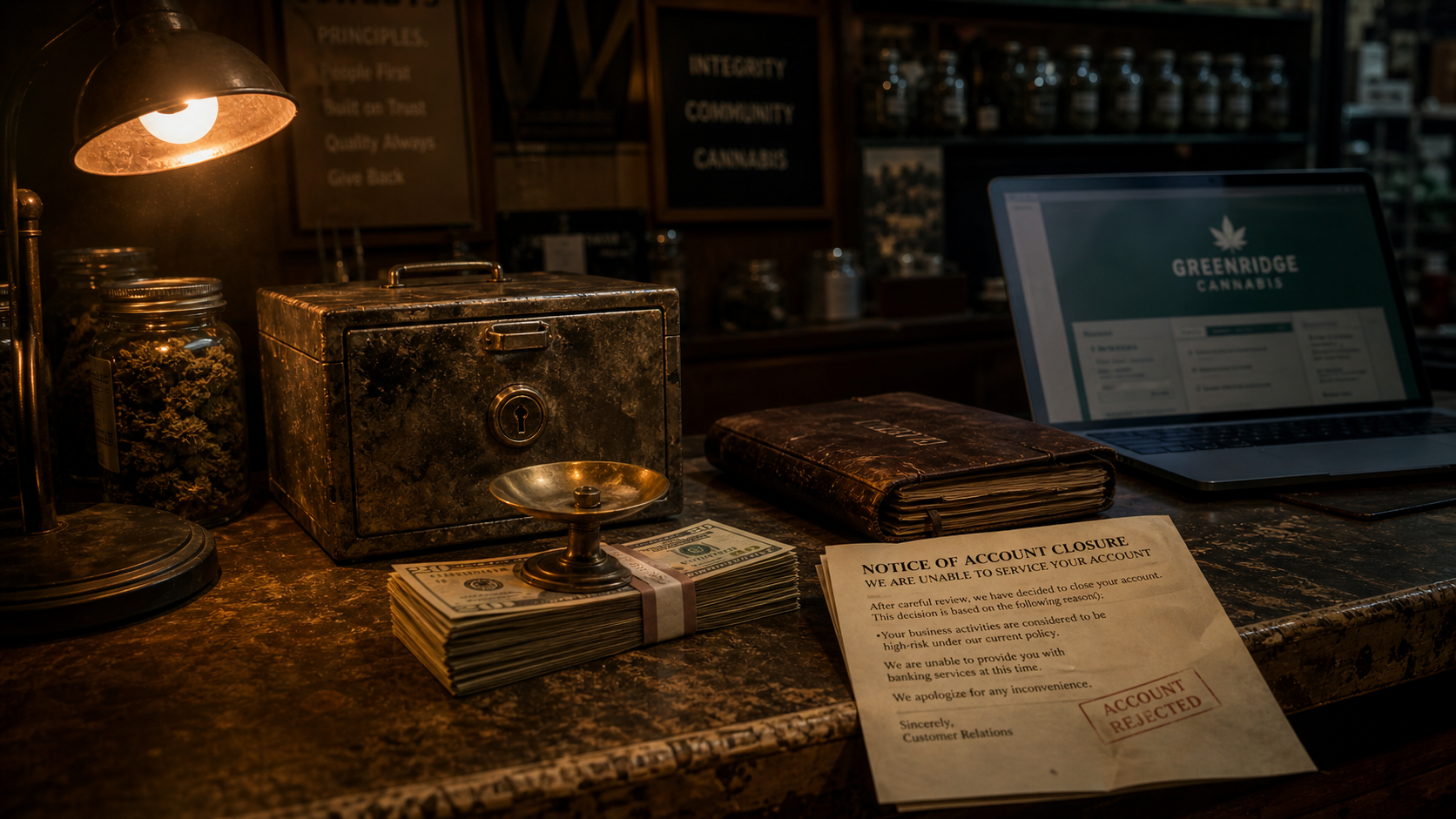
Tomorrow, the Texas hemp flower market ends. Stores are clearing shelves, businesses are shutting down, and the state's roughly 9,000 licensed consumable hemp retailers face a new reality built on $10,000 licensing fees and a total THC calculation that makes their most popular products illegal overnight.
But the week is not just about Texas. Reports have emerged that President Trump is planning a summer executive order to create a federal commission studying full cannabis descheduling -- not just rescheduling to Schedule III, but removing marijuana from the Controlled Substances Act entirely. Alabama is preparing to open its first-ever medical cannabis dispensaries this spring. And Western Union just launched a stablecoin on Solana.
Two days until Weedcoin's one-year anniversary. Twenty-one days to 4/20. The ground is moving fast.
Texas: The Final Day
Tomorrow, March 31, the Texas Department of State Health Services rules go into effect with no grace period. Here is what changes at midnight:
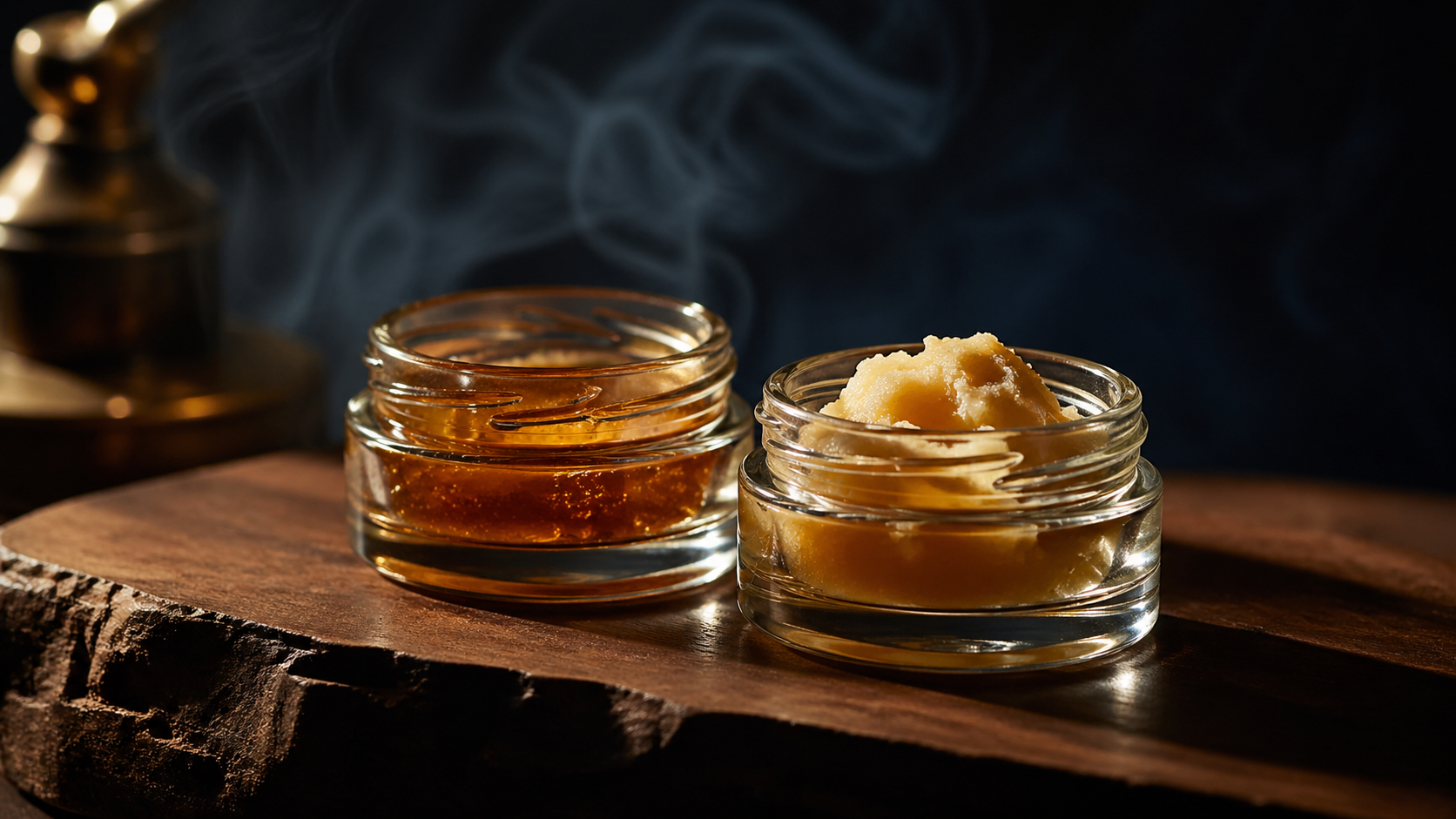
THCA flower, pre-rolled joints, live resin, rosin, and all smokable hemp products become illegal to sell. The state now measures total THC content -- including THCA, which converts to Delta-9 THC when heated -- and any product exceeding 0.3 percent total THC is noncompliant.
Manufacturing licensing fees jump from $258 to $10,000 per facility. Retail registration fees jump from $155 to $5,000. Businesses must maintain detailed records for every product type, every production run, raw materials, ingredients, and formal complaint documentation.
Businesses caught selling noncompliant products face license revocation and fines of up to $10,000 per day of violation.
The Texas Cannabis Policy Center estimates this will hand 50 percent of the legal market to illicit operators. CBD Farmhouse, a Dallas hemp retailer, announced it will close its doors tomorrow, citing the new regulations. The Texas Hemp Business Council says about half of all consumable hemp products sold by Texas retailers contain the natural hemp flower -- all of which become illegal tomorrow.
"If they wanted to derail people from staying in business, well, they are achieving their objective," said Cynthia Cabrera, president of the Texas Hemp Business Council.
Multiple hemp businesses are reportedly planning to sue the state to block the rules. The industry's legal battle in Texas goes back to 2021, when DSHS classified Delta-8 THC as illegal -- a case the Texas Supreme Court is expected to consider this year.
The irony is thick: Governor Abbott vetoed the legislature's original ban on these products last summer, then asked DSHS to regulate them instead. What DSHS delivered is, by the industry's account, the ban he vetoed -- just delivered through regulatory channels instead of legislative ones.
Trump Eyes Full Descheduling
Here is the plot twist.
Reports in March 2026 indicate that President Trump is planning to sign another executive order this summer creating a federal commission to study descheduling marijuana entirely -- removing it from the Controlled Substances Act, not just moving it from Schedule I to Schedule III.
The commission would reportedly consist of approximately a dozen members tasked with examining the full implications of descheduling. The political timing is transparent -- cannabis is popular across party lines, and a descheduling study commission ahead of November midterms is a low-cost way to signal progress without making a binding policy change.
But let's be clear about where things actually stand. Cannabis remains Schedule I as of today. The DEA's proposed rulemaking to reschedule marijuana to Schedule III, published in May 2024, is stalled by an interlocutory appeal with no briefing schedule set. The realistic timeline for a final rescheduling rule is late 2026 to early 2027 -- and legal challenges will follow immediately.
A descheduling commission does not change the law. But it changes the conversation. If the president of the United States is publicly studying whether cannabis should be removed from the Controlled Substances Act altogether, the Overton window has shifted in a way that would have been unimaginable five years ago.

Alabama: First Dispensaries This Spring
Alabama is about to make history in its own quiet way. The state's first medical cannabis dispensaries are expected to open in Birmingham by late April or early May 2026, marking the beginning of legal cannabis access in one of the most conservative states in the South.
The Alabama Medical Cannabis Commission awarded four dispensary licenses in December, with three officially issued on January 8. GP6 Pharmaceutical's Birmingham location at 541 Cahaba Park Circle is under active construction, with crews working daily to prepare for opening.
Ten dispensary locations across the state are authorized, spanning Birmingham, Montgomery, Mobile, Athens, Daphne, and several smaller cities. Qualifying conditions include cancer, PTSD, Crohn's disease, epilepsy, chronic pain, autism, depression, Parkinson's, sickle cell disease, and terminal illnesses.
There is a bottleneck, though. As of early March, only five physicians in the entire state are licensed to recommend medical cannabis. Patients may have to travel significant distances just to get a recommendation before they can register and purchase.
Alabama's program is a reminder that progress in cannabis does not always look like California or Colorado. Sometimes it looks like five doctors and ten stores in a state that is trying something new for the first time.
Cannabis and Nausea: What the Clinical Data Shows
Today's cannabis benefits section covers nausea and vomiting -- particularly in the context of chemotherapy, where the evidence is among the strongest in cannabis medicine.
The FDA has approved two cannabinoid-based medications specifically for chemotherapy-induced nausea and vomiting: dronabinol (synthetic THC, marketed as Marinol) and nabilone (a synthetic cannabinoid, marketed as Cesamet). These approvals date back decades and represent one of the earliest federal acknowledgments that cannabinoids have legitimate medical applications.
A comprehensive review of 22 studies comparing cannabinoid-based treatments to conventional antiemetics found that 12 demonstrated a significant benefit for cannabinoids. When compared to placebo, eight out of nine studies observed a clear benefit. The data consistently shows that cannabinoids can reduce both the frequency and severity of chemotherapy-induced nausea.
New research is pushing further. A randomized Phase II clinical trial called CANCOL is currently evaluating whether medical cannabis can reduce the broader symptom burden in patients with newly diagnosed advanced colorectal cancer -- not just nausea, but the full range of symptoms that erode quality of life during treatment.
Separate clinical trials are testing whether combining THC and CBD with standard anti-nausea medications produces better outcomes than the drugs alone. Early results suggest the combination approach may offer superior symptom management, though additional side effects need to be weighed.
For cancer patients suffering through chemotherapy, the clinical reality is that conventional anti-nausea drugs do not work for everyone. Cannabinoids offer a different mechanism of action, and the approval of dronabinol and nabilone confirms they can be safe and effective. The open question is whether whole-plant cannabis preparations -- with their broader cannabinoid and terpene profiles -- can do even more.
Western Union on Solana
In crypto news that signals how far blockchain infrastructure has come, Western Union launched USDPT -- a stablecoin built on the Solana blockchain. The move puts one of the world's oldest money transfer companies on one of the newest payment networks.
Solana continues to trade in the $86-$89 range, with institutional interest providing a demand floor. Visa's USDC settlements on Solana are running at a $3.5 billion annual rate. Forward Industries holds 6.9 million SOL as corporate treasury. And the Alpenglow consensus upgrade -- targeting 150-millisecond finality -- continues its rollout.
For Weedcoin, every institutional player that builds on Solana validates the network as serious infrastructure. Western Union is not a crypto-native startup. It is a 175-year-old company choosing Solana over every other chain for its stablecoin.
Two Days to the Anniversary
Wednesday, April 1, marks one year since Weedcoin launched. In that year, the project has built a daily content operation, a community culture, and a track record of showing up every single day with real news, real research, and real conversation about where cannabis is heading.
The anniversary drop is coming. Stay tuned.
Stay connected with the Weedcoin OG community:
Website: https://www.weedcoinog.com
Follow us on X: https://x.com/weedcoinog
Chat With Wiz (GPT): https://bit.ly/ChatWithWeedcoin
Contract Address: 21nnfR4TkbZNLwvRrqEseAbz7P3kxKjaV7KuboLJpump
Like bitcoin but way higher