What Cannabis Did for an 83-Year-Old With Parkinson's That Levodopa Could Not
Before the stigma, before the politics, before the policy debates -- there was an 83-year-old man whose tremors would not stop. Then they did.
Let's rise above the stigma.
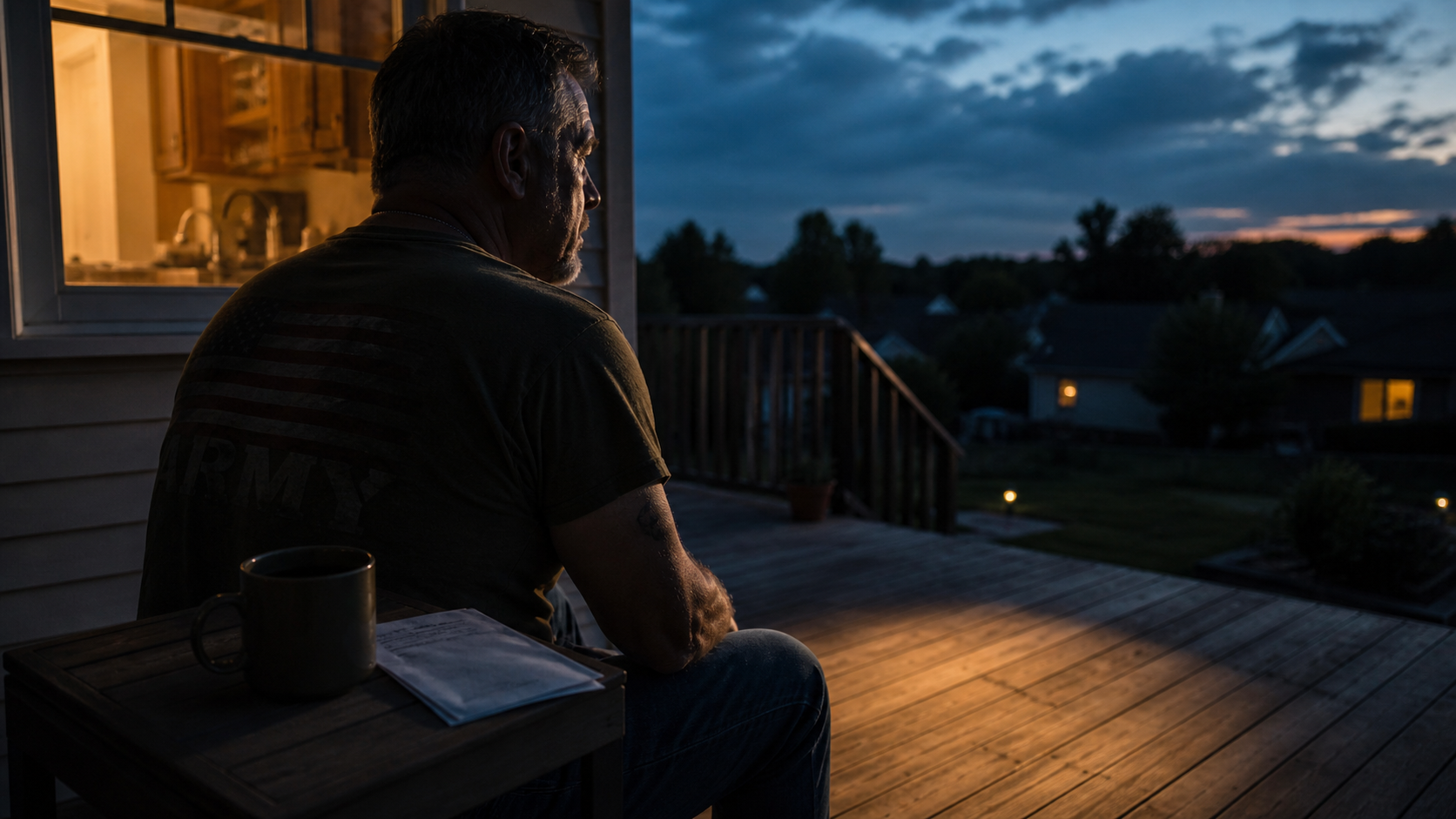
An 83-year-old man with Parkinson's disease had been through everything. Levodopa -- the gold standard, the drug that has managed Parkinson's motor symptoms for decades -- was not working well enough. His tremors persisted. His movement was rigid and slow. His gait was unstable. His quality of life was diminishing in the way Parkinson's takes things from people, piece by piece.
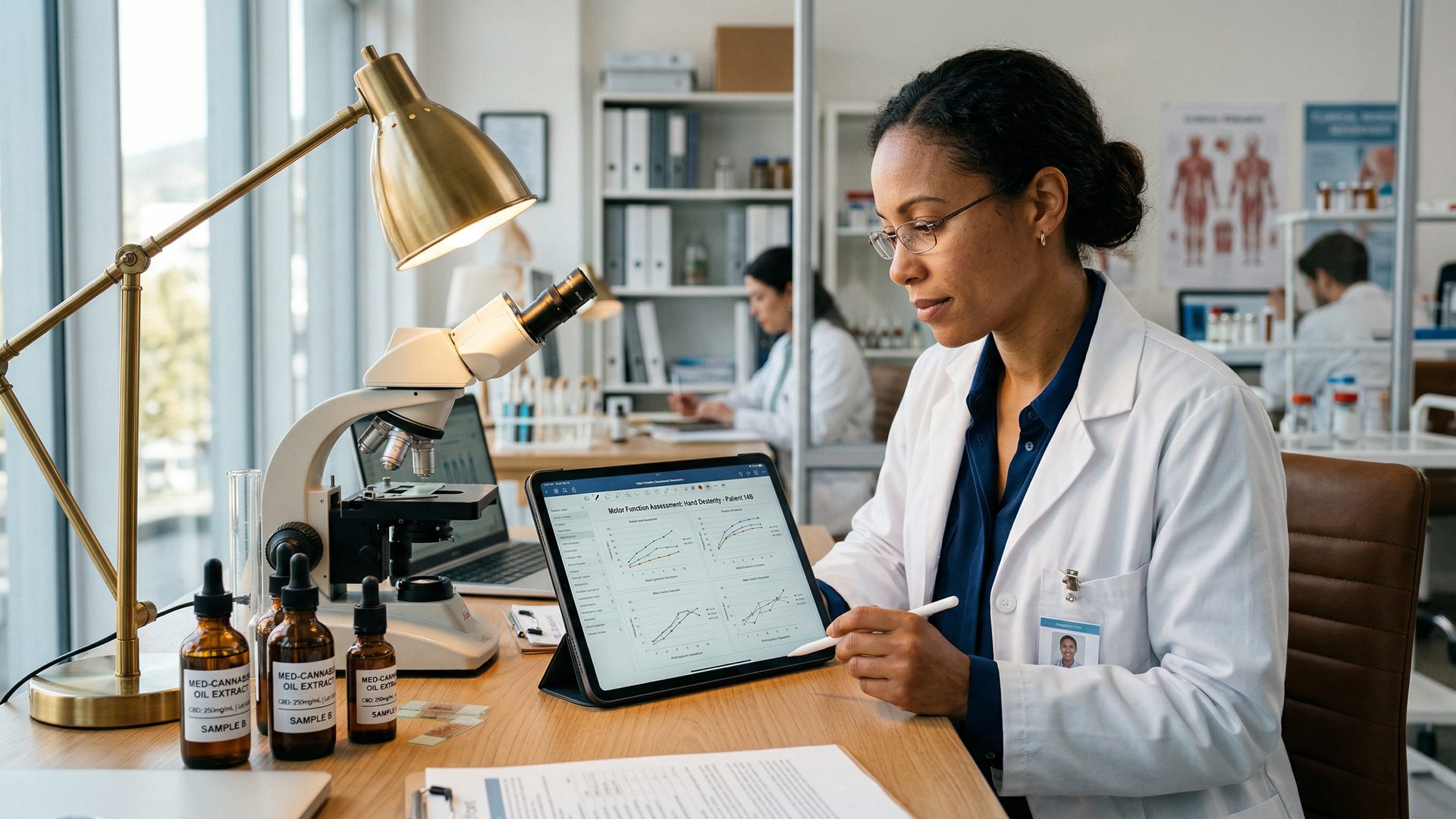
Then his physicians introduced THC-rich cannabis oil as an adjunct therapy. Over nine months, with a careful titration protocol, they found the right dose. At 18.25 milligrams of THC per day -- divided into three administrations -- the patient reported his peak physical well-being. His Unified Parkinson's Disease Rating Scale scores dropped by 54.55 percent. Motor function improved. Sleep improved. Depression and anxiety lifted. His quality of life, by his own report, improved.
This study, published in Springer Nature, represents one of the most striking clinical accounts in the emerging cannabis and Parkinson's literature. It does not prove that cannabis cures Parkinson's disease. Larger controlled trials are still needed. But for a man in his eighties whose conventional treatment had plateaued, a 54 percent improvement in motor function scores is not a footnote. It is a life.
This is what rising above the stigma looks like.
What Cannabis Actually Does for Parkinson's Patients
Parkinson's disease is a progressive neurodegenerative disorder that destroys dopamine-producing neurons in the brain, gradually robbing patients of control over their own bodies. It affects approximately one million Americans, and it is one of the few conditions where the research on cannabis shows genuine, clinically meaningful promise across multiple symptom categories.
Here is what the evidence shows as of 2026.
Motor symptoms -- tremor, rigidity, slowness of movement -- are where the results are most mixed. A 2023 retrospective review of 69 Parkinson's patients using cannabis reported improvements in tremor, spasticity, and dystonia. But randomized controlled trials have shown inconsistent results, with many showing no significant motor improvement. The Parkinson's Foundation is careful here: cannabis should never replace dopaminergic therapies like levodopa. What the Springer Nature case study suggests is that for patients where levodopa has plateaued, cannabis may unlock improvements that conventional treatment could not reach alone.
Non-motor symptoms are where the evidence is more consistently positive -- and where the human impact is arguably just as significant.
Sleep: A 2025 case series using THC+CBD extracts showed significant improvement in insomnia after approximately 60 days of treatment. Sleep disturbance affects the majority of Parkinson's patients and is one of the most commonly reported quality-of-life benefits among those who use cannabis.
Anxiety: Studies with nabilone (a synthetic THC analog) and CBD report reductions in anxiety and better quality-of-life scores. Anxiety affects up to 40 percent of people with Parkinson's -- a number most people outside the Parkinson's community do not know.
Pain: Surveys from the Michael J. Fox Foundation highlight cannabis as a popular tool for pain management in Parkinson's patients. Chronic pain affects approximately 85 percent of people with Parkinson's at some point in their disease course.
Levodopa-induced dyskinesias -- the involuntary movements that can develop as a side effect of long-term levodopa use -- may also be reduced by cannabis, according to several observational studies. The evidence is preliminary, but the mechanism makes biological sense given how cannabinoids interact with the basal ganglia pathways involved.
One important caution: THC can affect cognition, and Parkinson's already compromises executive function. CBD is generally considered safer for Parkinson's patients than THC-heavy formulations. For older patients, the right formulation, the right dose, and careful monitoring matter enormously.
The American Parkinson Disease Association, the Michael J. Fox Foundation, and the Parkinson's Foundation all maintain that more research is needed before cannabis can be recommended as standard care. But they are actively funding that research. The CAN-PDP trial in the UK is testing CBD specifically for Parkinson's psychosis, which affects up to 50 percent of patients in later stages. NCT05106504 is evaluating cannabis for non-motor symptoms including insomnia and anxiety.
The research is moving. The question of whether cannabis can meaningfully help Parkinson's patients is no longer fringe. It is a legitimate clinical inquiry, funded by the most credible research organizations in the field.
The 280E Reality Check
On the policy front, a reality check worth understanding clearly before 4/20:
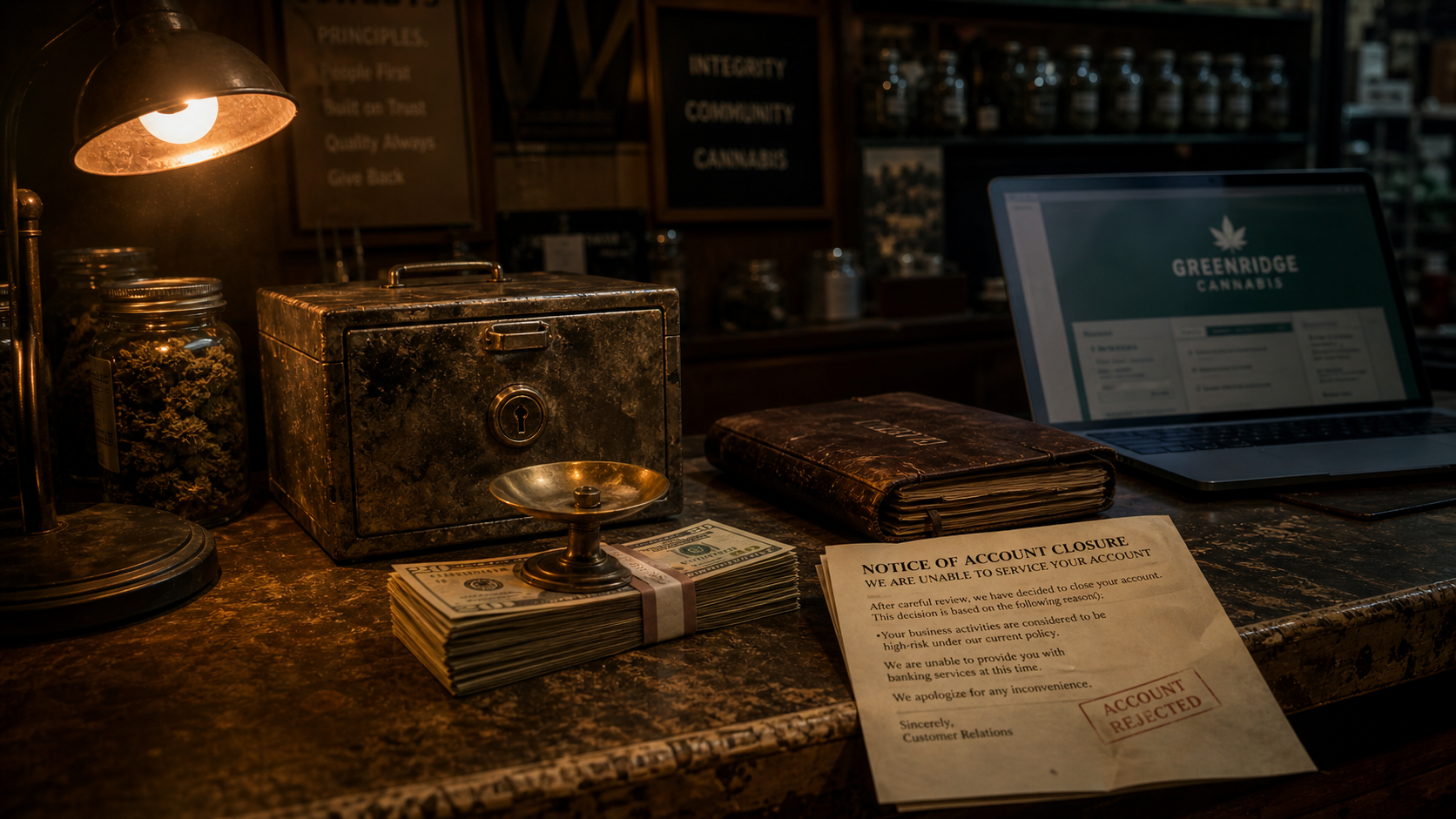
The National Cannabis Industry Association published a legal analysis this week that deserves to be read carefully. The executive order signed December 18 was a signal. It was not a policy change. The DEA's administrative hearing is still stayed. The presiding administrative law judge retired. No replacement has been named. No briefing schedule has been set for the pending interlocutory appeal.
First Citizens Bank, one of the more thoughtful financial institutions serving the cannabis space, published its own analysis: effective rescheduling to Schedule III -- and with it, 280E relief -- is unlikely before 2027 at the earliest. And here is the detail that gets lost in the excitement: proposed legislation has already emerged in Congress that would keep 280E-style restrictions in place even after rescheduling, requiring separate congressional action to actually deliver the tax relief.
This matters because cannabis operators are making capital decisions right now based on a timeline that may not materialize. The companies that survive will be the ones planning for the law as it currently exists while designing for where it may go.
The market is real. The demand is growing. The political will is real. But the process is frozen, the timeline is 2027, and the relief is not guaranteed even then.
New Jersey: 7 Days, and a Possible Lifeline
New Jersey's April 13 deadline is seven days away. Retailers are clearing shelves of delta-8, THCA flower, and hemp-derived THC products.
But there is a new development worth tracking. The New Jersey Legislature passed Bill S3945, which would temporarily extend hemp product restrictions to November 2026 rather than the April 13 hard cutoff. The bill has passed both chambers and is now awaiting Governor Sherrill's signature.
If signed, it would give the industry additional months to comply, reformulate, and transition to a fully licensed model. If not signed, April 13 stands.
The industry is treating it as upside, not a guarantee. But for businesses that have been scrambling to comply with the April deadline, a signature this week could change the calculus significantly.
Alabama Opens Its Doors
A brief but meaningful note: Alabama's medical cannabis dispensaries are confirmed to begin sales to patients in late April or early May. Alabama is one of the most conservative states in the country, and it is about to open its first legal cannabis dispensary for qualifying patients.
Every new state that opens a legal market -- even a tightly restricted medical one -- is another proof point. Real patients. Real access. Real relief.
Solana: Reclaiming Ground
SOL has reclaimed the $80 level after briefly testing the $68 low in February. The network's fundamentals continue to diverge from the price: Firedancer is live on mainnet and has hit 600,000 TPS in initial deployment, targeting one million. The Alpenglow upgrade cut finality from 12 seconds to 150 milliseconds. Goldman Sachs holds $108 million in SOL ETFs. State Street Digital launched the first G-SIB tokenized fund on a public blockchain using Solana.
Standard Chartered maintains a $250 target. The honest base case: macro conditions need to cooperate before fundamentals can express themselves in price. Iran tensions and elevated oil prices ($120 Brent) are the external variables most likely to determine whether April delivers recovery or more sideways movement.
Fourteen days to 4/20.
The stigma says cannabis users are lazy, checked out, and wasting their potential. The research says an 83-year-old man with Parkinson's disease got 54 percent of his movement back. A veteran with PTSD found sleep for the first time in years. A cancer patient stopped vomiting long enough to eat. A child with Dravet syndrome had her first seizure-free month.
That is what we are talking about. That is what rises above the stigma.
Stay connected with the Weedcoin OG community:
Website: https://www.weedcoinog.com
Follow us on X: https://x.com/weedcoinog
Chat With Wiz (GPT): https://bit.ly/ChatWithWeedcoin
Contract Address: 21nnfR4TkbZNLwvRrqEseAbz7P3kxKjaV7KuboLJpump
Like bitcoin but way higher