Cannabis Reform 2026: The Push, the Pushback, and What's Next
The Push and the Pushback: Cannabis Reform Hits a Fork in the Road
If you thought 2026 was going to be the year the whole thing finally clicked into place — federally, legally, culturally — slow down. The road map just got a lot more complicated.
Cannabis reform is alive and moving, no question. But it's also getting hit from angles that would've seemed unthinkable five years ago. States pushing forward. Courts slamming doors. Prohibitionists filing ballot measures. Washington dangling carrots it hasn't actually handed over yet. This is the terrain right now, and the Weedcoin fam needs to see it clearly.
Let's get into it.
The Push and the Pushback: Cannabis Reform Hits a Fork in the Road

States Pushing Forward — and They Mean It
The momentum at the state level is real. You've got multiple legislatures taking serious swings this session, and some of them are in places that haven't moved on this in decades.
Louisiana is arguably the most intriguing story right now. House Bill 373 (https://legiscan.com/LA/bill/HB373/2026), introduced February 25, 2026, by Rep. Candace Newell, would create a first-of-its-kind adult-use cannabis pilot program in the Deep South. Not full legalization — think of it more like a controlled test run. Adults 21 and up could buy recreational cannabis starting January 2027, running through July 2030, but only through existing licensed medical operators. It's a tight framework, and critics have a point that locking out new entrants protects established players. Still — Louisiana, potentially becoming the first Southeast state to authorize adult-use sales? That's not nothing.
Meanwhile, Kansas — one of the last full holdouts in the country — had Democratic lawmakers introduce HB 2678 and HB 2679 (https://www.forbes.com/sites/ajherrington/2026/02/25/kansas-bills-would-legalize-cannabis-and-channel-revenue-to-housing/) this session: a medical bill and a full adult-use legalization bill, respectively. Cannabis is still completely illegal in Kansas except for THC-free CBD products, so even the conversation is progress. The bills are uphill — Republican leadership has been a consistent wall — but the fact that both frameworks are on paper and formally introduced signals the cultural tide is turning, even in Topeka.
Wisconsin is also stirring. The Senate Health Committee voted 4-1 (https://blog.mpp.org/blog/wisconsin-medical-cannabis-bill-on-the-move/) in February to advance a Republican-authored medical cannabis bill sponsored by Senate President Mary Felzkowski. There's an 86% popular support number for medical cannabis in Wisconsin that is genuinely difficult to ignore. The hold-up is familiar: Assembly Speaker Robin Vos called the narrow bill "too broad," and Democrats want to go further with full legalization. The result is a classic legislative standoff where everyone agrees the public wants change but no one can agree on how much. Wisconsin patients are left waiting in the middle.
And in Ohio, the clock is literally ticking. Starting March 20 (https://woub.org/2025/12/22/a-new-law-in-ohio-will-move-hemp-products-into-dispensaries-without-an-exception-for-thc-beverages/) — five days from today — all intoxicating hemp products containing more than 0.4 milligrams of THC per container will only be legally sold through licensed dispensaries. The hemp beverage industry is already pushing back in court, but the law is set to go into effect regardless. It's a significant consolidation of the market, and it's a preview of the kind of product regulation battles that are coming nationwide.
Florida Fighting, and Losing Ground
Nobody deserves their own section more than Florida right now — because Florida is where the gut punches keep landing.
The Florida Supreme Court dealt a fatal blow (https://blog.mpp.org/blog/florida-supreme-court-refuses-to-review-legalization-lawsuit/) to the 2026 adult-use legalization campaign on March 9, when it declined to review the invalidation of up to 72,000 signatures. Smart & Safe Florida had gathered 1.4 million total signatures, but the Division of Elections only counted 783,592 as valid — below the 880,062 required to reach the ballot. The court's refusal to weigh in essentially ended the effort. Adult-use legalization in Florida is dead for 2026.
This is a state where 53% of voters already said yes to Amendment 3 in 2024, only to have the Florida Supreme Court separately kill that one too on a ballot language technicality before it took effect. The pattern is real and deliberate: voter intent keeps getting outmaneuvered by procedural and judicial firepower. Florida reform advocates aren't quitters, but they're playing a different game than most states — one where the rules keep shifting.
The Repeal Machine Is Running
Here's the part that should wake everybody up.
In Massachusetts, there is an active ballot initiative headed for the November 2026 vote that would repeal adult-use cannabis sales (https://norml.org/news/2026/03/05/massachusetts-voters-overwhelmingly-oppose-ballot-effort-to-repeal-marijuana-legalization/) — a $1.6 billion market that voters approved back in 2016. The group behind it is the Coalition for a Healthy Massachusetts, and it's being funded almost entirely by out-of-state dark money (https://www.marijuanamoment.net/massachusetts-ballot-measure-to-roll-back-marijuana-legalization-is-opposed-by-most-state-residents-poll-shows/). Here's the thing though: 63% of Massachusetts voters oppose the repeal (https://www.cannabisbusinesstimes.com/us-states/massachusetts/news/15818671/63-of-massachusetts-voters-oppose-petition-to-repeal-adultuse-cannabis-program), including 73% of Democrats and 69% of independents. Even 42% of Republicans oppose it. Only 20% support it. This measure has no popular mandate. What it has is money, a legal pathway to the ballot, and the willingness to make reformers fight a battle they've already won once.
Arizona isn't far behind. The "Sensible Marijuana Policy Act for Arizona" (https://arizonastatecannabis.org/news-30dec2025) is a 2026 ballot initiative trying to qualify by collecting 255,949 signatures before July 2, 2026. If it passes, it would end licensed adult-use sales while keeping personal possession and the medical program. Recreational marijuana won with 60% in Arizona in 2020. The prohibitionists know the math doesn't favor them at the ballot box — but they're counting on fatigue, confusion, and a different electorate in a midterm-adjacent cycle.
This is the culture war playing out in real time. These repeal efforts aren't coming from communities that are actually harmed by legal cannabis — they're coming from well-funded ideological operations that want to reverse what voters have decided, repeatedly. They picked the two states where the initiative process is most accessible and where they think they can peel off enough signatures to make the fight happen. It's sophisticated, and it should be taken seriously.
Washington: Signals Without Results
At the federal level, the vibes are better than they've been in years. But vibes aren't policy.
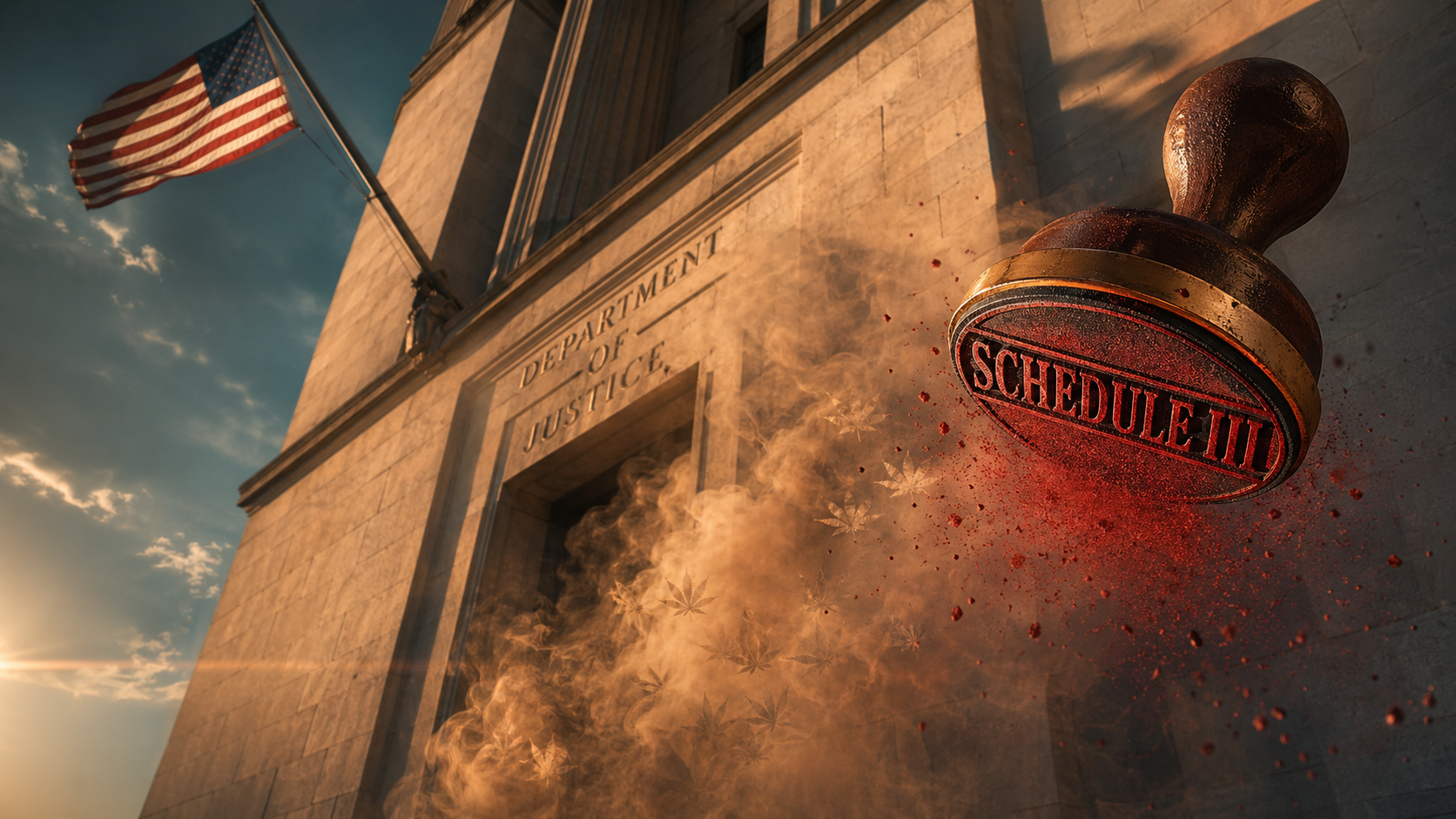
President Trump signed an executive order on December 18, 2025 (https://www.bhfs.com/insight/president-trump-accelerates-marijuana-rescheduling-and-expands-access-to-cbd/), directing the Attorney General to expedite rescheduling cannabis from Schedule I to Schedule III. On paper, that's historic movement from an administration nobody expected to touch this. Rescheduling would eliminate the brutal Section 280E tax burden that has crushed cannabis business margins since legalization began, would open the door to research, and would formally acknowledge that cannabis has medical value. That's real.
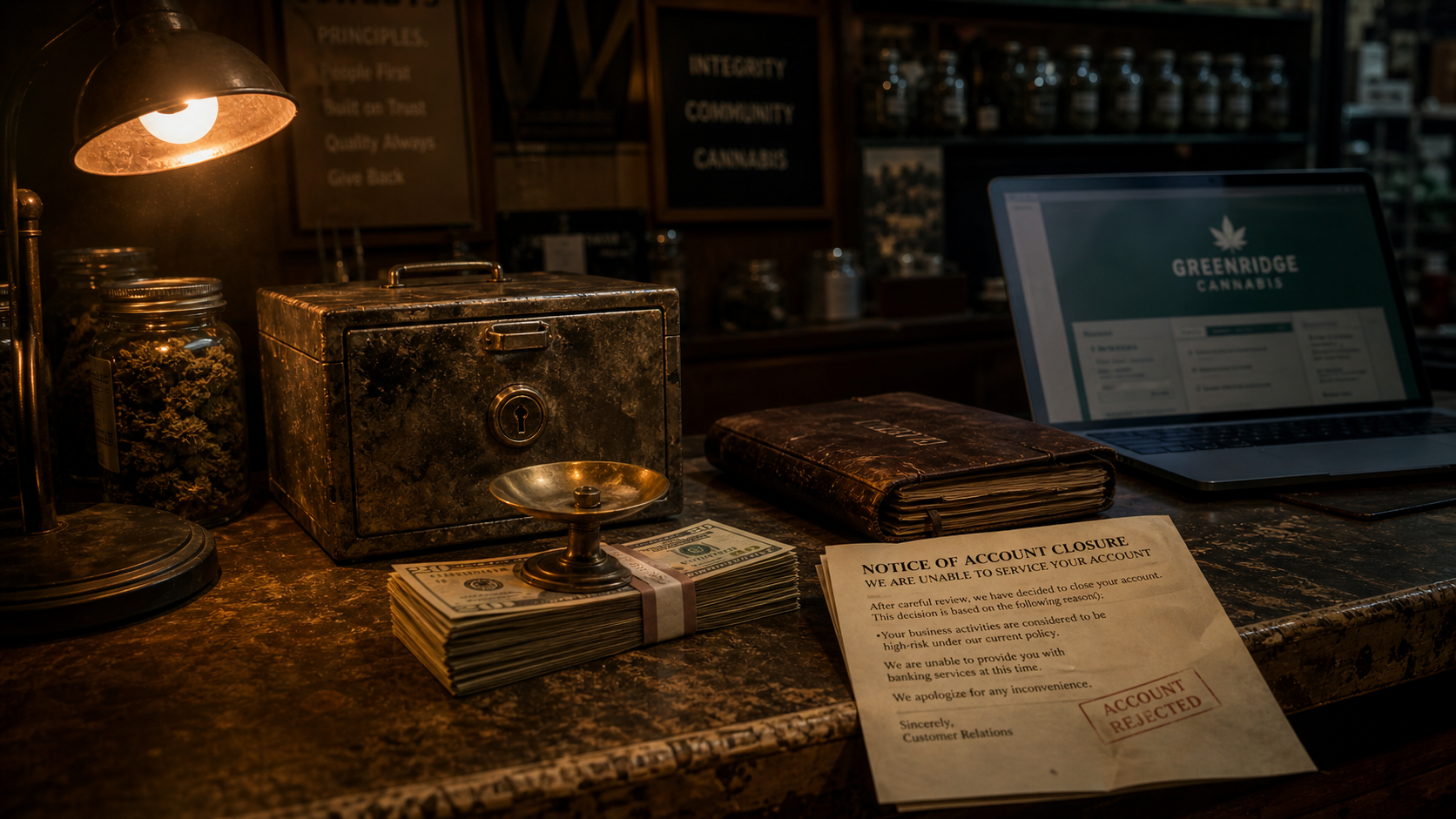
What it isn't: legalization. Interstate commerce stays illegal. Banking access stays complicated without the SAFER Banking Act. The DEA has said the rescheduling appeal process "remains pending" (https://www.marijuanamoment.net/marijuana-rescheduling-is-a-transitional-step-that-must-be-followed-by-banking-commerce-and-justice-reforms-new-analysis-says/) despite the executive order. AG Pam Bondi missed a congressionally mandated deadline in January to issue guidelines. And in Congress, there are already senators who have filed amendments to block the whole thing. Nobody in the administration has committed to a timeline.
The MORE Act was reintroduced (https://norml.org/blog/2025/08/29/federal-house-lawmakers-reintroduce-legislation-removing-cannabis-from-the-controlled-substances-act/) in the House last August — it would fully remove cannabis from the Controlled Substances Act, expunge records, and create real reform. It has the right language and the right vision. It also has no path to passage in a Republican-controlled Congress right now. It's a marker. An important one. But a marker.
The federal situation right now is: the direction is right, the momentum is real, but the machinery is slow and the opposition is dug in. Don't hold your breath for a Rose Garden signing ceremony in 2026.
Why the Community Never Stops Mattering
Here's the thing about two-front wars: they're exhausting. You can win one battle and lose another in the same news cycle. You can have 63% of Massachusetts voters oppose a repeal and still have to show up and fight it. You can have a president sign an executive order and still be waiting six months later for the agency to act.
That's the reality the OGs have always known. Reform doesn't happen because of perfect conditions — it happens because people refuse to let the conversation die. Every time a Kansas lawmaker introduces a cannabis bill in a state where it's still fully illegal, it matters. Every time someone in Wisconsin calls their rep about the medical bill, it moves the needle. Every time Florida activists regroup after a court ruling and start planning the next approach, they're doing the work.
That's the energy Weedcoin OG was built on. When the project launched April 1, 2025 — 17 days away from its one-year anniversary, 36 days from 4/20 — the whole premise was keeping that energy alive in a space where politics and culture and community intersect. Like bitcoin but way higher. Not just a slogan — a philosophy. This community runs on conviction that the fight is worth having, even when the terrain is complicated, even when the rollbacks are real, even when Washington moves at the speed of a committee hearing.
The culture war over cannabis is not hypothetical. It's on the 2026 ballot in two states. It's in the Florida courts. It's in a Kansas committee room where a Democrat is explaining to a majority-Republican chamber why their constituents deserve legal access.
Keep the conversation going. Stay locked in. And if you want to dig deeper into where all of this is heading, come talk to Wiz (https://bit.ly/ChatWithWeedcoin) — the community chatbot is live, and the discussion never stops.
Contract: 21nnfR4TkbZNLwvRrqEseAbz7P3kxKjaV7KuboLJpump | weedcoinog.com
Hash & Highlights drops every Sunday. This is what's in the air — the good, the bad, and the still-to-be-determined.