Cannabis and Fibromyalgia -- Nine Studies, 564 Patients
Pain dropped from 9 to 5. The research is not waiting.
Ten million Americans live with fibromyalgia. They know what it feels like to wake up in pain, move through the day in pain, and go to bed hoping tomorrow will be different. They know what it is like to cycle through medications that half-work or stop working entirely. They know the look on a doctor's face when the next option is another pill with another list of side effects.
Cannabis is not a miracle cure for fibromyalgia. But after nine clinical studies, 564 patients, and years of data, the evidence is clear: it works. Not perfectly. Not for everyone. But significantly, consistently, and with fewer side effects than most of the alternatives sitting in medicine cabinets right now.
This is what rising above the stigma looks like. Not hype. Not headlines. The actual research, laid out honestly, so the people who need this information can find it.
What Fibromyalgia Actually Is
Fibromyalgia is a chronic condition defined by widespread musculoskeletal pain, fatigue that sleep does not fix, cognitive difficulties often called "fibro fog," and mood disturbances including anxiety and depression. It affects an estimated 2 to 4 percent of the global population, predominantly women. In the United States alone, roughly 10 million people carry the diagnosis.
There is no cure. The condition is believed to involve central sensitization -- the central nervous system amplifying pain signals so that stimuli that should feel normal register as painful. Conventional treatments include antidepressants like duloxetine, anticonvulsants like pregabalin, and in some cases opioids. Many patients find these options inadequate or accompanied by side effects -- weight gain, drowsiness, cognitive blunting, dependency risk -- that create new problems while only partially addressing the original one.
This is where cannabis enters the conversation. Not as a replacement for medical care, but as a tool that an increasing body of clinical evidence says belongs in the discussion.
The Systematic Review: Nine Studies, 564 Patients
A 2023 systematic review published in Biomedicines analyzed the best available evidence on cannabis for fibromyalgia treatment. The researchers reviewed nine studies involving 564 patients -- four randomized controlled trials and five observational studies. The results were striking.
Three of the four RCTs found that cannabis treatments produced significant improvements in pain, quality of life, or both compared to placebo. All five observational studies showed meaningful benefits. Only one RCT found no significant difference between cannabis and placebo for spontaneous pain -- though even that study found that THC-containing treatments significantly increased pressure pain thresholds, suggesting the cannabinoids were affecting pain processing at a physiological level.
The review concluded that "medical cannabis appears to be a safe alternative for treating fibromyalgia," while noting that larger, longer-term clinical trials are needed.
The Individual Studies Tell the Story
The numbers from individual studies paint a picture that statistics alone cannot capture.
An Israeli observational study followed 367 fibromyalgia patients using medical cannabis for six months. Pain scores dropped from a median of 9.0 to 5.0 on a 10-point scale. That is not a marginal improvement. That is a person going from barely functional to having a life. The study found that 81.1 percent of patients achieved what researchers defined as a treatment response. Factors that predicted better outcomes included previous cannabis experience and age under 60.
A Brazilian randomized controlled trial tested THC-rich cannabis oil against olive oil placebo in fibromyalgia patients. After eight weeks, the cannabis group experienced a significant decrease in Fibromyalgia Impact Questionnaire scores compared to placebo. The improvements were specific and measurable: patients reported feeling better, experiencing less pain, being more able to work, and suffering less fatigue. The researchers concluded that "phytocannabinoids can be an economically feasible and well-tolerated therapy to reduce symptoms and increase the quality of life of patients with fibromyalgia."
Nabilone, a synthetic cannabinoid, was tested in a Canadian RCT of 40 patients. After four weeks, the nabilone group showed significant decreases in pain scores on the Visual Analog Scale, significant improvements in the Fibromyalgia Impact Questionnaire, and significant reductions in anxiety. The placebo group showed no significant improvements in any measure.
An Israeli crossover study examined what happens when you add medical cannabis to a standard pain regimen of oxycodone, naloxone, and duloxetine. The result: the addition of cannabis produced significantly greater improvement in all patient-reported outcomes at three months, and the improvements were maintained at six months. Range of motion improved. Quality of life improved. The standard drugs helped. Cannabis on top of those drugs helped more.
A cross-sectional survey found that two hours after cannabis consumption, fibromyalgia patients reported statistically significant improvements in pain, stiffness, relaxation, and overall wellbeing. The mental health component of the SF-36 quality of life scale was significantly higher in cannabis users than non-users.
Why Cannabis Works for Fibromyalgia
The reason cannabis appears effective for fibromyalgia may be rooted in the biology of the condition itself.
The endocannabinoid system -- the network of receptors and signaling molecules that THC and CBD interact with -- plays a direct role in modulating pain perception, inflammation, sleep, and mood. These are exactly the systems that fibromyalgia disrupts. Some researchers have proposed a theory called Clinical Endocannabinoid Deficiency, suggesting that conditions like fibromyalgia, migraines, and irritable bowel syndrome may share a common root in insufficient endocannabinoid signaling. If your body is not producing enough of its own cannabinoids to regulate pain properly, external cannabinoids from the cannabis plant may help fill the gap.
Research from the University of Arizona published in 2025 added a new dimension to this picture. The study found that specific terpenes -- the aromatic compounds responsible for different cannabis strain profiles -- are effective at relieving fibromyalgia pain in preclinical models. This means the therapeutic potential of cannabis for fibromyalgia may extend beyond THC and CBD into the broader chemistry of the plant, opening pathways for targeted treatments that leverage the entourage effect.
A new randomized controlled trial is currently registered on ClinicalTrials.gov studying cannabis oil specifically for fibromyalgia, signaling that the research community is moving forward regardless of what federal policy does.
The Honest Picture
Cannabis is not a cure for fibromyalgia. No responsible researcher claims it is. What the evidence shows is that cannabis can significantly reduce pain, improve quality of life, decrease reliance on opioids and other medications, and do so with a side effect profile that most patients find manageable -- dry mouth, dizziness, and mild gastrointestinal symptoms being the most commonly reported.
The limitations are real. Most studies are small. Long-term data beyond six months is limited. The optimal cannabinoid ratios, dosing protocols, and delivery methods for fibromyalgia have not been established. And the legal landscape in many states still prevents patients from accessing the treatments that research says can help them.
But for the 10 million Americans living with a condition that conventional medicine often fails to adequately manage, the trajectory of the evidence is clear. Cannabis works. The conversation now is about access, not about whether it deserves a place at the table.
As Cesar reminds the community: rise above the stigma. That means getting this research to the patients who are still suffering because nobody told them the evidence exists.
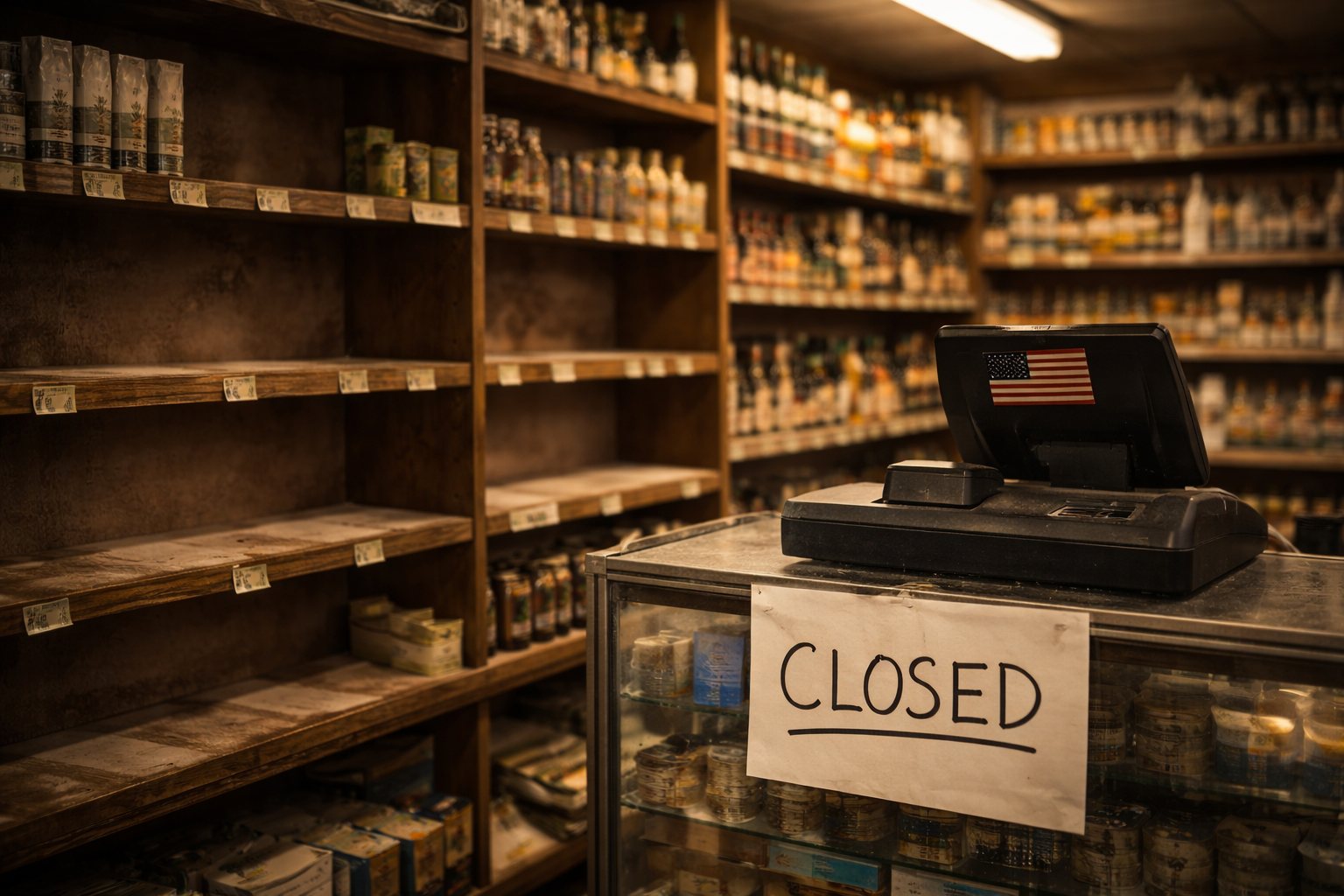
New Jersey: The Shelves Go Empty
Today is April 13. If you walked into a smoke shop or convenience store in New Jersey this morning looking for Delta-8 gummies, THCA flower, or hemp-derived THC drinks, you found empty shelves.
As of today, any hemp-derived product containing more than 0.3 percent total THC by dry weight is reclassified as cannabis under New Jersey law. Processed products exceeding 0.4 milligrams of total THC per container are cannabis. Synthetics -- Delta-8, Delta-10, THC-O, HHC -- have been banned since January. Today the broader definitions take full effect.
Licensed liquor stores can still sell intoxicating hemp beverages with up to 5 milligrams of THC per serving and 10 milligrams per container until November 13. A new $3.75 per gallon wholesale excise tax applies starting today. After November, only CRC-licensed dispensaries can sell THC beverages of any kind.
Penalties for noncompliance: $100 first offense, $1,000 second offense, $10,000 for each subsequent violation. Each day counts separately.
For the small business owners who built livelihoods around these products, today is not a policy discussion. It is the day the shelves go empty because the law says they have to.
The States Keep Moving
While New Jersey tightens, the rest of the map keeps shifting.
Massachusetts sent Governor Healey an unprecedented bill -- 155 to 0 in the House -- doubling the cannabis possession limit to two ounces, restructuring the Cannabis Control Commission, and allowing dispensaries to advertise sales and loyalty programs. A prohibitionist ballot measure to repeal recreational sales entirely is facing a lawsuit from business owners trying to keep it off the ballot.
Pennsylvania Governor Josh Shapiro is pushing adult-use legalization, projecting $1.3 billion in revenue over five years. The state is now surrounded by legal markets on almost every border.
Virginia Governor Abigail Spanberger has a bill to legalize recreational sales on her desk. Idaho's legislature is urging voters to reject a medical marijuana ballot initiative. Georgia has a full medical cannabis bill on the governor's desk. And Missouri just sent the governor a package that bans intoxicating hemp, protects cannabis consumer privacy, and recognizes cannabis workers' right to unionize.
At the federal level, the Hemp Planting Predictability Act would delay the November hemp cliff by three years. It has been referred to the House Agriculture Committee. The STATES 2.0 Act and MORE Act both sit in committee. None have moved.
Solana: Holding the Range
SOL is trading around $81 to $82, pulling back from $85 earlier in the week. The token remains range-bound between $78 support and $86 resistance. The 20-day moving average sits at $86 -- until SOL reclaims that level on a daily close, the trend stays neutral.
Fundamentals remain strong: $57 billion in monthly DEX volume, $650 billion in stablecoin transactions, and Firedancer hitting 600,000 TPS in testnet. The broader market is still in risk-off mode. For the Weedcoin OG community, the playbook has not changed. Build during the quiet. The culture does the work that charts cannot.
7 Days to 4/20
One week. The Army marijuana waiver takes effect on 4/20. The Medicare CBD hearing is scheduled. Rescheduling is stalled. New Jersey's shelves are empty. And 10 million people with fibromyalgia are still waiting for their doctors, their legislators, and their insurance companies to catch up with what the research already shows.
Seven days.
Stay connected with the Weedcoin OG community:
Website: https://www.weedcoinog.com
Follow us on X: https://x.com/weedcoinog
Chat With Wiz (GPT): https://bit.ly/ChatWithWeedcoin
Contract Address: 21nnfR4TkbZNLwvRrqEseAbz7P3kxKjaV7KuboLJpump
Like bitcoin but way higher 🌿