It Is 4/20 -- What 26 Days of Cannabis Science Taught Us
26 days. 18 conditions. The data speaks for itself.
It is 4/20.
Today the U.S. Army officially drops its waiver requirement for recruits with a single marijuana conviction. Medicare is covering CBD for seniors at $500 per year. Dispensary sales nationwide are projected to surge 133 percent above the daily average, contributing to a $30.5 billion industry year. Denver's Civic Center Park will hold 50,000 people. Red Rocks will shake. Brooklyn will open a cannabis lounge. And celebrations will unfold in every state where the plant is legal and many where it is not.
But before the parties start, this is what we came here to do.
For the past 26 days, this blog has published one honest, research-backed deep dive into a different health condition every single day. No hype. No miracle claims. Just the clinical evidence -- what works, what does not, and what we still do not know. Today, on the biggest day of the cannabis calendar, we bring it all together.
This is the state of cannabis science in April 2026. And it is more promising, more complicated, and more important than most people realize.
26 Days, 18 Conditions: What the Research Actually Shows
Starting March 24, every daily blog covered a different therapeutic application of cannabis, drawn from peer-reviewed studies, randomized controlled trials, and real-world evidence. Here is the full picture.
Anxiety. A systematic review of 11 randomized trials found that CBD at 300 milligrams reduces anxiety -- but at 600 milligrams it can make it worse. Full-spectrum CBD at just 30 milligrams per day achieved 100 percent treatment response by week three. The dose is everything. The form -- full-spectrum versus isolate -- changes the equation dramatically.
Chronic pain. The most extensively studied application. Multiple meta-analyses confirm cannabinoids provide modest but significant pain relief, particularly for neuropathic pain. The Michigan Medicine study showed patients adding cannabis to standard medications reported meaningful improvement.
Sleep. Cannabis users consistently report improved sleep onset and quality. THC reduces the time to fall asleep. CBD at moderate doses promotes sustained sleep without the grogginess of conventional sleep aids.
Inflammation. CBD's anti-inflammatory properties are well-established in preclinical models. It reduces IL-1-beta, increases IL-10, and modulates the NF-kB pathway. The challenge remains translating preclinical findings to clinical dosing.
Epilepsy. The strongest evidence in all of cannabis medicine. Epidiolex -- purified CBD -- is FDA-approved for Dravet syndrome, Lennox-Gastaut syndrome, and tuberous sclerosis complex. Seizure frequency reductions of 40 to 50 percent in treatment-resistant pediatric patients.
PTSD and veterans. Observational evidence shows cannabis reduces PTSD symptom severity, particularly hyperarousal and nightmares. The VA's ongoing studies are beginning to provide controlled data.
Nausea and chemotherapy. Dronabinol and nabilone have been FDA-approved for chemotherapy-induced nausea since the 1980s. Among the oldest approved therapeutic uses of cannabinoids.
Appetite and cachexia. THC stimulates appetite through CB1 receptor activation. Dronabinol is FDA-approved for AIDS-related wasting.
Glaucoma. THC temporarily reduces intraocular pressure. However, the effect is short-lived and the dosing requirements make it impractical as a primary treatment compared to conventional eye drops.
MS and spasticity. Nabiximols achieved 86 percent initial response in MS patients at four weeks, with 83 percent still benefiting at six months. Approved in over 30 countries. Not available in the United States.
Crohn's disease and IBD. A landmark trial found 10 of 11 Crohn's patients responded to cannabis versus 4 of 10 on placebo. Quality of life improved dramatically. But the honest limitation: cannabis may mask symptoms without reducing underlying inflammation.
Neuroprotection and TBI. The UK Biobank study of 26,000 adults found cannabis users aged 40 to 77 had larger gray matter volumes in the hippocampus, amygdala, and putamen. Preclinical THC research shows potential for clearing Alzheimer's plaques.
Skin and dermatology. CBD's anti-inflammatory and sebum-regulating properties show promise for acne, eczema, and psoriasis in early clinical data.
Parkinson's disease. CBD improved quality of life scores in a small Brazilian trial. Patients reported less anxiety, better sleep, and reduced tremor severity.
Opioid withdrawal. Cannabis-based interventions reduce withdrawal symptom severity and may help patients maintain longer periods of abstinence. The opioid crisis makes this research urgent.
Autism and ASD. Israeli studies show CBD-rich cannabis improved behavioral symptoms in 80 percent of pediatric patients, with improvements in communication, anxiety, and self-injurious behavior.
Cardiovascular health. The CARDIA study tracking cannabis use over 35 years found no independent association between cannabis and cardiovascular events after controlling for tobacco. CBD showed vasodilatory and cardioprotective properties in preclinical models.
Fibromyalgia. A survey of 428 patients found 83 percent pain improvement with CBD and a 44 percent average pain reduction. Two gold-standard RCTs found CBD alone did not beat placebo for knee osteoarthritis -- the gap between patient experience and trial evidence is real.
Migraines. The first randomized, double-blind migraine trial found THC/CBD combination achieved 67 percent pain relief versus 47 percent placebo, with sustained relief at 48 hours.
Diabetes and metabolic health. The NHANES study of 4,657 adults found cannabis users had 16 percent lower fasting insulin, 17 percent lower insulin resistance, and smaller waists. THCV lowered fasting blood glucose in a human trial.
Endometriosis. A New Zealand study found overall pelvic pain dropped from 5.4 to 3.7 on a 10-point scale after 12 weeks of CBD treatment, with improved sleep and quality of life.
Gut health and IBS. The endocannabinoid system in the GI tract is one of the most active cannabinoid receptor networks in the body. Dronabinol reduced fasting colonic motility in IBS-D patients. Cannabis users had shorter hospital stays in a study of 9,393 IBS patients.
Cancer symptom management. Cannabis-based medicines were associated with significant improvements in nausea, vomiting, and appetite in cancer patients. THC and CBD combinations showed promise for pain inadequately controlled by opioids alone.
Arthritis. Patient surveys consistently show meaningful benefit. But the clinical trial evidence has not caught up -- two RCTs found CBD alone did not outperform placebo for knee osteoarthritis. The dose, the formulation, and the inclusion of THC may be the missing pieces.
The Honest Summary
Here is what 26 days of research revealed.
Cannabis science is not a single story. It is at least 18 different stories, each with its own evidence base, its own complications, and its own trajectory. Some applications -- epilepsy, chemotherapy nausea, MS spasticity -- have gold-standard evidence that has already earned regulatory approval in multiple countries. Others -- arthritis, IBS, PTSD -- show strong patient-reported benefit that formal trials have not yet confirmed above placebo.
The consistent patterns across conditions: full-spectrum products outperform isolates at lower doses. The THC-to-CBD ratio matters as much as the total dose. Oral bioavailability remains a stubborn problem. And the endocannabinoid system is so deeply woven into human physiology -- from the brain to the gut to the immune system -- that the question is no longer whether cannabis has therapeutic value. It is how to use it intelligently.
Rising above the stigma was never about claiming cannabis is a miracle. It was about presenting the evidence honestly, condition by condition, study by study, so the people who need this information can find it.
Today Is the Day
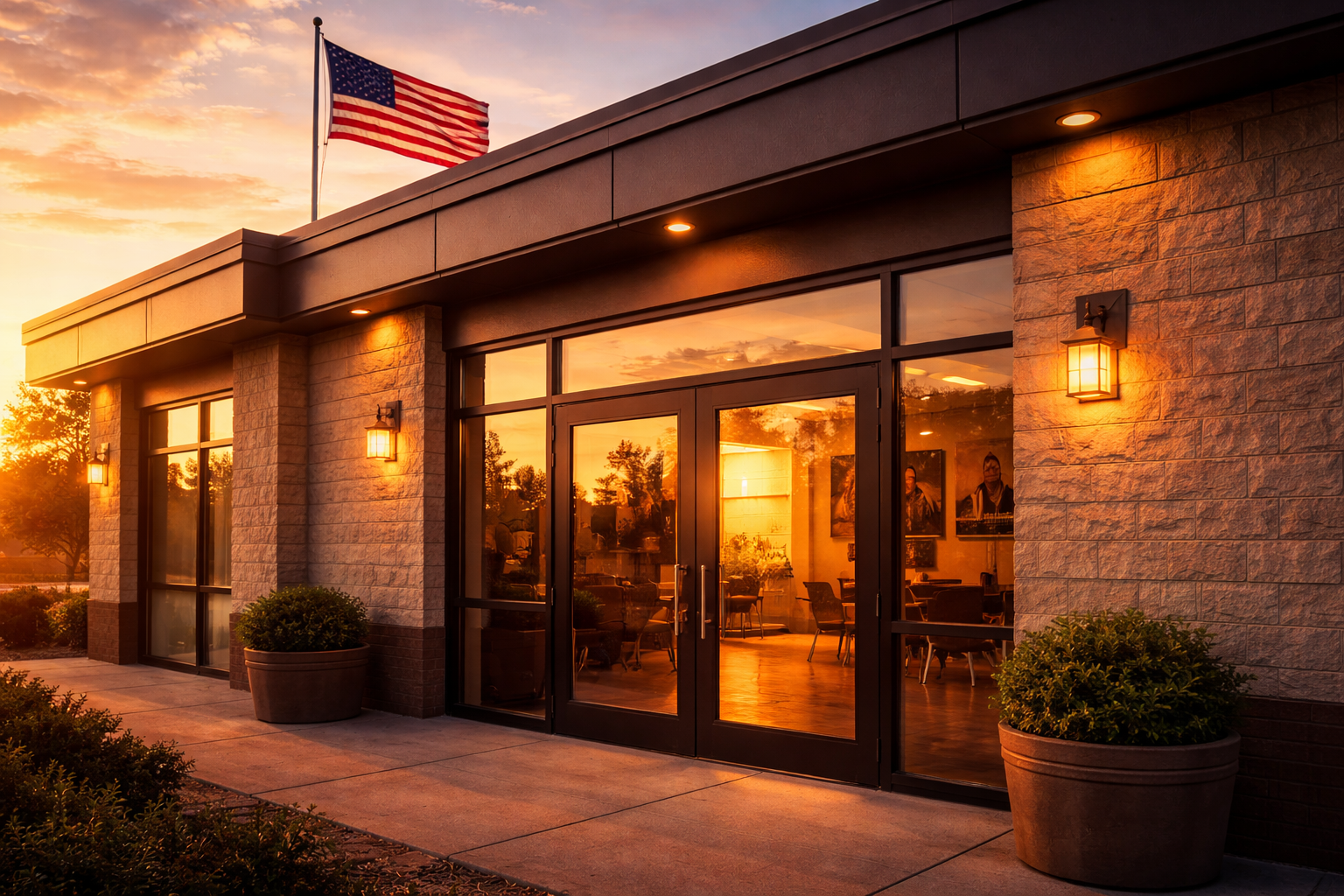
The Army's updated regulation takes effect this morning. Recruits with a single marijuana conviction can walk into any recruiting office in America and begin the enlistment process without a waiver. The zero-tolerance policy for active duty remains, but the door that was locked behind red tape is now open.
Medicare's CBD coverage pilot continues, with seniors receiving up to $500 per year in hemp-derived CBD products. CMS Administrator Mehmet Oz described it as making it easier for patients to access what surveys show a majority of seniors already find beneficial.
U.S. cannabis sales are projected to hit $30.5 billion this year, a 4.9 percent increase over 2025. Today alone, dispensary sales are expected to surge 133 percent above the daily April average based on 2024 data. Prerolls will match flower at 25 percent of total sales each. Solventless extracts will see a 188 percent spike. And average discounts will hit 37 percent as dispensaries compete for the biggest retail day of the year.
Denver. Brooklyn. Washington Square Park. Red Rocks. Every legal state. And the states that are not there yet but will be.
Solana on 4/20
SOL is trading near $88, holding the gains from last week's breakout above the 20-day moving average. Polymarket gives 94 percent probability that SOL closes today in the $80 to $90 range. The broader technical picture is the most constructive it has been since early March.
For the Weedcoin OG community, this is our day. One year and 19 days since launch. Twenty-six consecutive daily drops. A community that showed up every single day. The market is moving. The science is publishing. The culture is winning.
Like bitcoin but way higher. Happy 4/20.
Stay connected with the Weedcoin OG community:
Website: https://www.weedcoinog.com
Follow us on X: https://x.com/weedcoinog
Chat With Wiz (GPT): https://bit.ly/ChatWithWeedcoin
Contract Address: 21nnfR4TkbZNLwvRrqEseAbz7P3kxKjaV7KuboLJpump
Like bitcoin but way higher 🌿