Cannabis and Muscle Spasms -- 86 Percent Responded in 4 Weeks
86 percent responded. Tomorrow the world celebrates why.
Tomorrow is 4/20.
Before the festivals start, before 50,000 people gather in Denver's Civic Center Park, before Ice Cube takes the stage at Red Rocks and Mike Tyson opens a cannabis lounge in Brooklyn, before the Army officially drops its marijuana waiver requirement and Medicare continues covering CBD for seniors -- before all of that, there is a story that deserves to be told on the eve of the biggest day on the cannabis calendar.
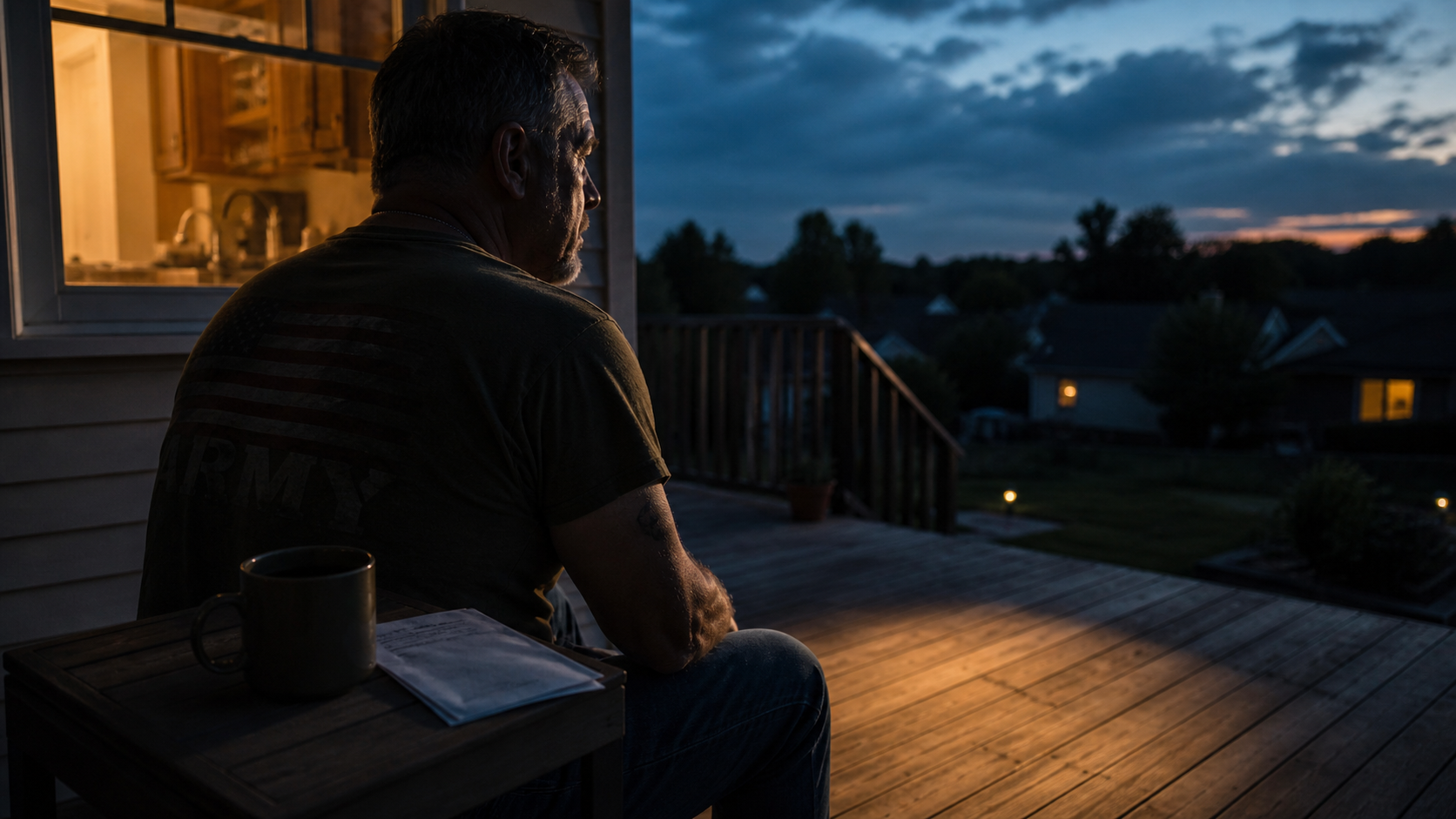
It is about a woman with multiple sclerosis whose legs seized so violently at night that her partner could not hold them still. A man with a spinal cord injury whose muscle spasms were so constant that he could not sit in his wheelchair for more than twenty minutes. A veteran with traumatic brain injury whose entire body would lock up without warning.
These are real people. And for many of them, a cannabis-based medicine called nabiximols has done what conventional drugs could not.
What Spasticity Actually Is
Spasticity is not just a stiff muscle. It is a neurological condition where the signals between the brain and muscles become disrupted, causing involuntary muscle contractions, tightness, pain, and spasms that can be severe enough to interfere with basic daily functions -- walking, sitting, sleeping, even breathing.
It affects an estimated 12 million people with multiple sclerosis worldwide, along with millions more with spinal cord injuries, stroke, cerebral palsy, and traumatic brain injuries. Current first-line treatments include baclofen, tizanidine, and dantrolene -- all of which carry significant side effects including sedation, weakness, dizziness, and liver toxicity. Many patients find these medications inadequately effective, and roughly 30 to 40 percent of MS spasticity patients are classified as treatment-resistant.
This is where cannabis enters the picture. Not as an alternative lifestyle choice. As a medicine that targets the specific neural pathways involved in muscle tone regulation.
Nabiximols: The Cannabis Medicine That Works
Nabiximols -- marketed as Sativex -- is a standardized cannabis extract delivered as an oromucosal spray containing a 1:1 ratio of THC and CBD. It is approved in over 30 countries for the treatment of MS-related spasticity. It is one of the only cannabis-based medicines to have completed the full regulatory approval process in multiple nations.
A 2026 real-world evidence study from the West of Scotland tracked 64 patients prescribed nabiximols, 55 of whom had MS. The results were remarkable.
Eighty-six percent of MS patients had a successful initial trial, defined as at least 20 percent improvement in spasticity symptoms at four weeks. At six months, 83 percent were still reporting benefits. The Numerical Rating Scales for stiffness, spasms, and pain all showed significant improvements compared to baseline. Patients who had failed multiple previous treatments -- some having tried three, four, or five different anti-spasticity medications -- responded to nabiximols.
The study also included patients with spasticity from non-MS causes, including spinal cord injury and brain injury. The response rates were similar, suggesting that nabiximols' mechanism works across different types of upper motor neuron damage, not just MS specifically.
The Large-Scale Italian Registry Data
A massive Italian real-world evidence study analyzed data from the AIFA e-Registry covering thousands of patients prescribed nabiximols. The findings supported what clinicians had observed in practice: nabiximols improves MS spasticity frequently in conjunction with improvements in spasticity-associated symptoms.
The researchers introduced the concept of a "spasticity-plus syndrome" -- the observation that spasticity in MS rarely exists in isolation. It clusters with spasms, cramps, pain, and sleep disruption. Nabiximols addressed the syndrome, not just the single symptom. Patients who improved in spasticity frequently also improved in pain, sleep, and daily functioning.
This matters because conventional anti-spasticity drugs often address only the stiffness while doing nothing for the associated pain and sleep disruption. Many actually worsen fatigue and cognitive function. A medicine that treats the entire symptom cluster without adding cognitive burden is fundamentally different in its clinical value.
The Randomized Trial Evidence
The approval of nabiximols was built on a series of randomized, placebo-controlled trials.
A pivotal trial published in the European Journal of Neurology randomized 572 MS patients with treatment-resistant spasticity to nabiximols or placebo. The design used an enrichment protocol -- patients first underwent a four-week trial, and only those who responded (at least 20 percent improvement) were randomized. This addressed the known heterogeneity in cannabis response.
Among responders, nabiximols produced a statistically significant improvement in spasticity compared to placebo, with a mean change in the Numerical Rating Scale of minus 0.84 points versus minus 0.43 points for placebo. More importantly, the proportion of patients achieving clinically relevant improvement was significantly higher in the nabiximols group.
A 2019 meta-analysis of five randomized controlled trials confirmed the efficacy profile. Nabiximols showed consistent benefits for self-reported spasticity, with the enrichment design proving that identifying responders early dramatically improves outcomes. The 30 to 40 percent of patients who do not respond in the initial trial period can be redirected to other treatments without wasting time and resources.
How It Works: The Endocannabinoid System and Muscle Tone
The biological mechanism is elegant. The endocannabinoid system modulates neurotransmitter release at the synapses between motor neurons and muscles. CB1 receptors on presynaptic terminals regulate the release of both excitatory (glutamate) and inhibitory (GABA) neurotransmitters. When the system is functioning properly, it maintains a balance that produces smooth, controlled muscle movement.
In conditions like MS, where demyelination damages the neural pathways, this balance is disrupted. The excitatory signals overpower the inhibitory ones, and muscles contract involuntarily. THC and CBD in nabiximols restore some of that balance by activating CB1 receptors (THC) and modulating receptor signaling (CBD), reducing the excessive excitatory drive that causes spasticity.
This is why the 1:1 THC:CBD ratio matters. THC alone can cause psychoactive effects that limit dosing. CBD moderates those effects while adding its own anti-spasticity and anti-inflammatory properties. The combination is more effective and better tolerated than either compound alone -- a pattern that echoes what we saw in the migraine trial data from earlier this week.
The Honest Limitations
Nabiximols does not cure spasticity. It manages it. The benefits require continued use, and some patients develop tolerance over time. Not everyone responds -- the 14 to 20 percent who do not improve in the initial trial period may have different underlying pathophysiology that cannabis-based medicines cannot address.
Access remains the central problem. Nabiximols is not approved in the United States, despite being available in over 30 countries. American patients with MS-related spasticity can access cannabis through state medical programs, but they cannot get the standardized, tested, consistent formulation that clinical evidence supports. They are left to navigate dispensary products with variable cannabinoid ratios and no clinical guidance on dosing.
Rising above the stigma means asking why a medicine that has been approved in 30 countries for a condition that affects millions of Americans is not available here. The evidence is not the barrier. The politics are.

The Eve of 4/20: Everything Happening Tomorrow
Tomorrow is the day.
Denver's Mile High 420 Festival at Civic Center Park opens at 2 PM. General admission is $25. Up to 50,000 cannabis enthusiasts are expected. Ice Cube headlines Red Rocks at 7 PM with Big Boi of Outkast and Czarface. Tonight, Wiz Khalifa takes the stage at Red Rocks for his annual 420 Eve celebration with 2 Chainz, Berner, and The Underachievers.
Mike Tyson's Tyson 2.0 cannabis consumption lounge opens at 733 Flatbush Avenue in Brooklyn. Celebrations are planned in every legal state.
The Army's updated regulation officially takes effect, eliminating the waiver requirement for a single marijuana possession conviction. Medicare's CBD coverage pilot continues, giving seniors up to $500 per year in hemp-derived CBD products at no charge.
Massachusetts Governor Maura Healey has until today to sign the cannabis reform bill that passed 155 to 0 -- doubling the possession limit to two ounces, restructuring the Cannabis Control Commission, and allowing dispensary sales and loyalty programs. If signed, dispensaries can sell two ounces starting tomorrow, on the busiest retail cannabis day of the year.
Solana Breaks $88
SOL surged to $88.84 on April 18, its highest level in weeks. The token broke decisively above the 20-day moving average at $86 and is now testing resistance at $89. Polymarket's prediction market shows 94 percent probability that SOL closes April 19 in the $80 to $90 range. Year-end targets remain wide -- $130 to $200 depending on macro conditions and ETF flows.
For the Weedcoin OG community, the timing could not be better. The biggest day of the year is tomorrow. The market is moving. The culture is alive. Build. Hold. Rise.
One Day to 4/20
Tomorrow, 50,000 people will gather in one park in one city in one state. Millions more will celebrate in living rooms, backyards, dispensaries, and lounges across the country. The Army will welcome recruits it once rejected. Medicare will cover a plant it once prohibited. A medicine approved in 30 countries will remain unavailable in the country that claims to lead the world in medical innovation.
The contradictions are the story. And the story is not going away. Not tomorrow. Not ever.
Rise above the stigma.
Stay connected with the Weedcoin OG community:
Website: https://www.weedcoinog.com
Follow us on X: https://x.com/weedcoinog
Chat With Wiz (GPT): https://bit.ly/ChatWithWeedcoin
Contract Address: 21nnfR4TkbZNLwvRrqEseAbz7P3kxKjaV7KuboLJpump
Like bitcoin but way higher ?
?