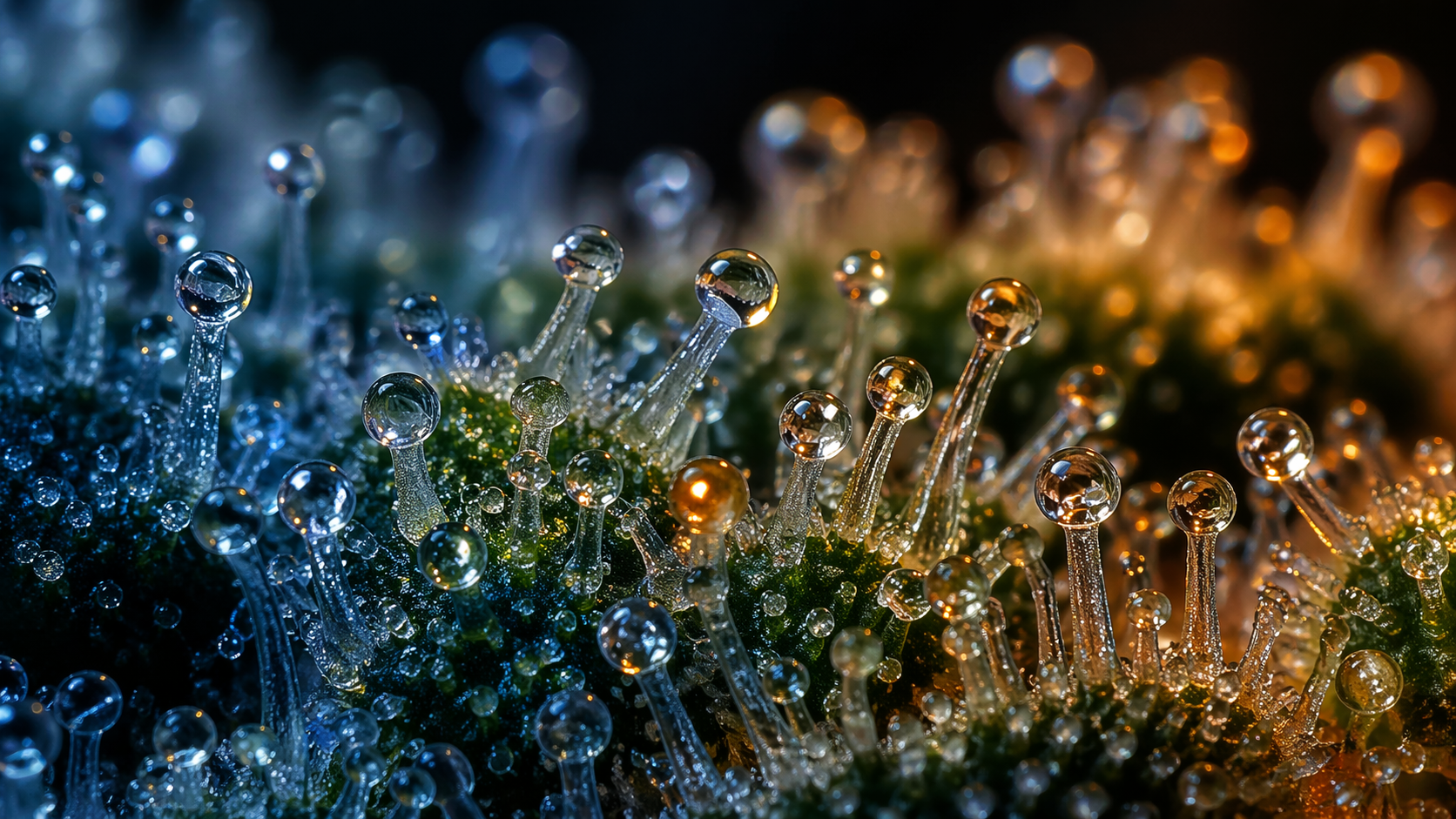
Understanding Cannabis Strains: Indica, Sativa, and Hybrids
The Basics of Strain Types and Their Effects
Cannabis strains come in three main types—Indica, Sativa, and Hybrids—each offering unique effects that can influence their medical applications. At Weedcoin, we’re here to break down these categories through the MediWeed Hub with irie vibes. In this article, we’ll explore the characteristics of Indica, Sativa, and Hybrid strains, helping you understand their effects and uses. Whether you’re considering a strain like Weedcoin OG or starting your medical marijuana journey, knowing the basics of strain types is key—let’s dive into the world of cannabis strains!
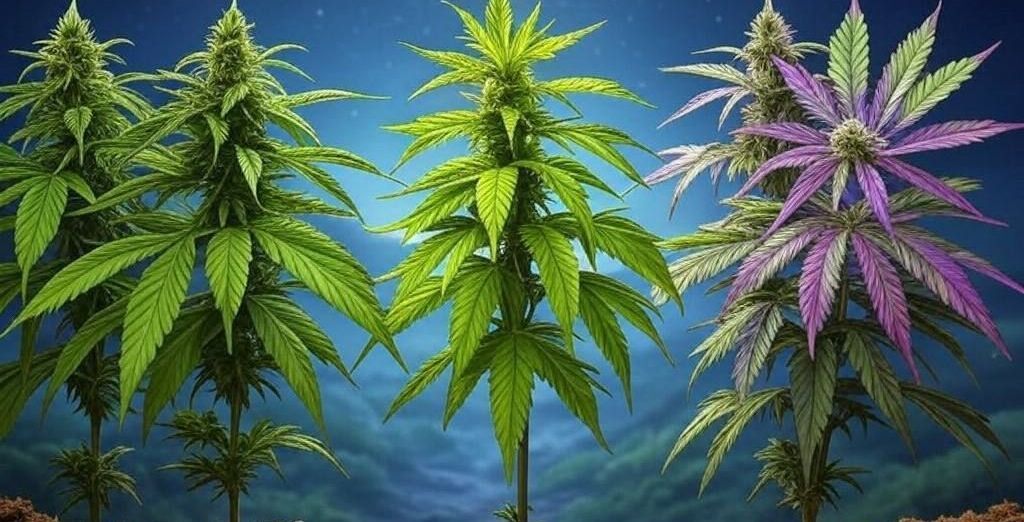
Indica Strains: Relaxation and Sedation
Indica strains are known for their relaxing, sedative effects, often described as a “body high.” They typically have higher levels of myrcene, a terpene that promotes calmness, making them ideal for nighttime use. Indicas are commonly used for conditions like chronic pain, insomnia, and muscle spasms—patients report falling asleep faster and experiencing a 40% pain reduction with indica strains. For example, Bubba Kush (18% THC) is a popular indica that helps with sleep and pain, as Michael found. Physically, indicas are shorter, bushier plants with broad leaves, and they often have earthy, skunky aromas. Weedcoin OG, with its indica-dominant profile from Unicorn Poop and OG genetics, likely offers similar relaxation, making it a candidate for evening use.
Sativa Strains: Energy and Uplift
Sativa strains are associated with uplifting, cerebral effects, often described as a “head high.” They typically contain higher levels of limonene and pinene, terpenes that boost energy and focus, making them better for daytime use. Sativas are often used for conditions like depression, fatigue, and ADHD—patients report improved mood and focus with sativas. For instance, Sour Diesel (19% THC) is a popular sativa that provides an energizing effect, which could benefit patients needing mental clarity. Sativas are taller, thinner plants with narrow leaves and often have citrusy or fruity aromas. However, sativas can increase anxiety in some users due to their stimulating effects, so they may not suit everyone, like Aisha, who avoided them for her PTSD.
Hybrid Strains: The Best of Both Worlds
Hybrids combine traits of Indica and Sativa, offering a balance of effects depending on their dominant genetics. They’re the most common strains today, bred to target specific conditions. Indica-dominant hybrids, like OG Kush (15% THC, 15% CBD), provide relaxation with mild euphoria, making them versatile for pain and stress—Michael used OG Kush for pain relief. Sativa-dominant hybrids, like Harlequin (12% CBD, 6% THC), offer uplifting effects with less psychoactivity, ideal for anxiety, as Aisha found. Balanced hybrids, such as Unicorn Poop, provide a mix of calming and uplifting effects, suitable for various times of day. Hybrids vary widely in appearance
and aroma, depending on their parent strains—Weedcoin OG, as a hybrid with indica dominance, likely leans toward relaxation but may retain a slight uplifting quality from its OG genetics.
Factors Influencing Strain Effects
While Indica, Sativa, and Hybrid classifications provide a general guide, the effects of a strain are also influenced by its cannabinoid and terpene profiles. THC levels determine psychoactivity—higher THC (e.g., 20% in Weedcoin OG) can intensify relaxation or euphoria but may cause anxiety in sensitive users. CBD mitigates THC’s psychoactivity and adds calming effects—strains like ACDC (20% CBD, 1% THC) are better for anxiety without a high, as Aisha experienced. Terpenes play a role too—myrcene in indicas promotes sedation, while limonene in sativas boosts mood. Individual factors like tolerance and metabolism also matter; a new user might feel overwhelmed by a 20% THC indica, while a seasoned user might find it manageable.
Choosing Between Indica, Sativa, and Hybrids
Selecting a strain type depends on your symptoms and lifestyle. If you need nighttime relief for pain or insomnia, an indica like Bubba Kush or an indica-dominant hybrid like Weedcoin OG might be best—Michael used indicas to manage pain and sleep better. For daytime use, such as improving focus or mood, a sativa like Sour Diesel or a sativa-dominant hybrid like Harlequin could work—patients with depression often prefer sativas for their energizing effects. Hybrids offer flexibility; a balanced strain like Unicorn Poop can provide moderate relaxation and mental clarity, suitable for all-day use. Experimentation is key—patients like Sarah tried multiple strains before settling on a high-CBD hybrid for epilepsy.
Modern Breeding and Strain Variability
Modern cannabis breeding has blurred the lines between Indica, Sativa, and Hybrids, creating strains with diverse effects. While traditional indicas were lower in THC (around 10%), today’s indicas like Weedcoin OG can reach 20–22% THC (target post), offering stronger effects. Sativas, once primarily energizing, now often include CBD to balance their psychoactivity—Harlequin, for example, tempers its sativa traits with 12% CBD. Hybrids dominate the market, with breeders like Thug Pug (creator of Unicorn Poop) focusing on specific terpene profiles for targeted effects. This variability means patients should focus on a strain’s chemical profile (THC, CBD, terpenes) rather than just its type, as effects can differ even within the same category.
Practical Tips
- Choose indicas for nighttime relief of pain or insomnia—e.g., Bubba Kush or Weedcoin OG.
- Opt for sativas for daytime energy and focus—Sour Diesel is a good starting point.
- Experiment with hybrids for balanced effects—try OG Kush for pain or Harlequin for anxiety.
- Check THC and CBD levels to predict effects—high-CBD strains like ACDC suit anxiety without a high.
- Work with a budtender to find a strain matching your needs, considering both type and terpene profile.
Key Takeaways
- Indicas provide relaxation and sedation, ideal for pain and insomnia—Weedcoin OG leans indica-dominant.
- Sativas offer energy and uplift, best for depression or fatigue, but may increase anxiety in some.
- Hybrids combine traits, offering flexibility—e.g., OG Kush for pain, Harlequin for anxiety.
- Effects depend on THC, CBD, and terpenes, not just strain type—modern breeding creates variability.
- Experiment to find what works—patients like Michael and Aisha tailored strains to their needs.